4 Common Issues in Wind Turbine Bolts and How to Prevent Them
Bolts in wind turbines are exposed to huge amounts of loading in a repetitive manner each day because of rotational motion, wind, and temperature variations.
The above-mentioned concerns always trigger the malfunctioning of wind turbines through cracks, loosening, and corrosion.
Parafusos and fasteners always have some stress applied to them throughout their operational life cycle.
This article discusses the most typical modes of failure in fasteners used in wind turbines, their reasons, and how adequate inspections and anti-loosening solutions can mitigate risks.
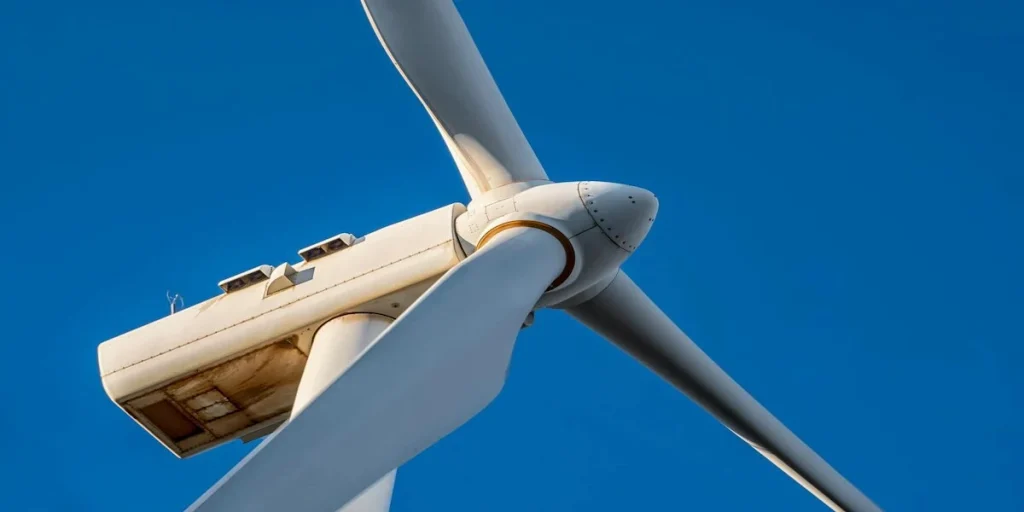
Common Issues in Wind Turbine Bolts: What Causes Them?
Usually, failure happens gradually. The early indicators could be surface rust, loss of preload, or minor cracks in the vicinity of the thread root.
If appropriate testing is not carried out, the following reasons can result in an unscheduled shutdown or expensive repairs.
1. Frequent Cyclic Loading and Vibration
Wind turbines are seldom subjected to steady loads. Wind speeds are always fluctuating, thereby inducing cyclic tension and compression of the bolted connections.
The repeated loading will cause increased chances of bolt fatigue failure.
Gradually, tiny cracks are initiated within the material and spread until they reach the critical level for fracture.
Fatigue failure often occurs in tower flange bolts, blade bolts, and nacelle joints.
This makes detection more difficult during routine maintenance.
In many cases, cracks begin at thread roots or surface defects where stress becomes concentrated.
Certain turbine connections experience higher fatigue loading than others. These include:
- Tower flange joints.
- Blade root connections.
- Yaw system fasteners.
- Main shaft coupling bolts.
These areas usually require periodic preload inspection and non-destructive testing.
Several maintenance practices help reduce fatigue risks:
- Use controlled tightening procedures.
- Verify preload during scheduled inspections.
- Avoid surface damage during installation.
- Select suitable coatings for outdoor exposure.
Modern anti-loosening solutions also help maintain clamping force during vibration cycles.
2. Improper Bolt Preload
Incorrect tightening remains one of the largest installation problems in the energy sector.
Loosening can occur if the bolts are under-tightened, while stretching can happen if the bolts are over-tightened. The latter can exceed its elastic limit and cause stress concentration.
Proper torque control and tension verification help reduce wind turbine bolt loosening during long operating cycles.
3. Environmental Conditions
The environment for offshore and coastal wind farm structures includes moisture, salt water, and variable temperature; these factors contribute to corrosion.
Corrosion will weaken the thread and lower the clamping action. Corrosion pits will be the starting points of fatigue cracks under extreme environmental conditions.
Protection from corrosion demands coating and inspection.
4. Hydrogen Embrittlement in High-Strength Bolts
Hydrogen embrittlement of bolts remains a major concern in heavy industrial applications.
The problem mainly affects high-strength fasteners exposed to hydrogen during manufacturing or coating processes.
The material may appear normal externally while becoming brittle internally.
This occurs when hydrogen can enter steel during acid cleaning, electroplating, or corrosion reactions.
Once trapped inside the metal, hydrogen weakens the grain structure. Under tensile stress, delayed cracking may occur without warning.
This problem is especially dangerous because a fracture can happen days or weeks after installation.
Hydrogen-related fractures often show these characteristics:
- Sudden brittle cracking.
- Little visible deformation.
- Fracture near threads or stressed areas.
- Failure under normal operating loads.
Laboratory testing is usually required to confirm the presence of hydrogen embrittlement bolts during failure investigations.
Manufacturers reduce risks through controlled production processes and material verification.
Common preventive measures include:
- Proper heat treatment control.
- Baking after electroplating.
- Surface coating management.
- Material hardness monitoring.
CNRL uses specialized laboratory facilities to support failure analysis and inspection for energy sector fasteners.
Common Issues in Parafusos de turbina eólica: How Can Wind Turbine Bolt Loosening Be Prevented?
Bolt loosening remains one of the most frequent maintenance issues in turbine systems.
Continuous vibration gradually reduces preload if locking methods are insufficient. Once preload drops, joint movement increases rapidly.
Mechanical Locking Systems
Several locking methods help maintain bolt tension during operation.
Common anti-loosening solutions include:
- Arruelas de pressão.
- Double nut systems.
- Wedge-lock washers.
- Prevailing torque nuts.
These systems reduce rotational movement during vibration cycles.
Importance of Proper Installation
Even good locking systems may fail if installation procedures are inconsistent.
Technicians must follow calibrated torque values and tightening sequences. Uneven preload distribution often creates localized stress.
Digital tension monitoring tools now help improve installation consistency in large wind projects.
Inspection and Monitoring Practices
Routine inspection remains critical for long service life.
Operators often combine:
- Torque verification.
- Ultrasonic testing.
- Visual crack inspection.
- Corrosion monitoring.
These methods help identify preload loss before major structural problems develop.
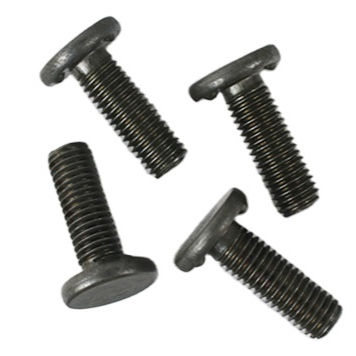
Parafuso de fixação parafuso de flange de solda parafuso de soldagem personalizado
Mais detalhesWhy Does Material and Quality Control Matter?
Material consistency directly affects bolt durability. Small variations in hardness or heat treatment may influence fracture resistance.
This is why manufacturers apply strict inspection procedures during production.
Quality systems help ensure repeatable manufacturing performance.
CNRL operates under Certificação IATF 16949 standards. This supports process control, traceability, and inspection management for fixadores industriais.
Such systems are important for sectors where structural safety remains critical.
Laboratory Failure Analysis
Failure investigations often require metallurgical testing and fracture examination.
Typical tests include:
| Inspection Method | Propósito |
| Hardness testing. | Detect improper heat treatment. |
| Metallographic analysis. | Examine grain structure. |
| Fracture surface analysis. | Identify the crack origin. |
| Salt spray testing. | Evaluate corrosion resistance. |
| Tensile testing. | Verify mechanical properties. |
Detailed high-strength bolt failure analysis helps prevent repeat failures in future installations.

What Maintenance Practices Help Extend Bolt Service Life?
Long-term bolt performance depends on both product quality and maintenance planning.
Even durable materials require scheduled inspection under demanding operating conditions.
Scheduled Retightening and Inspection
Some turbine operators perform periodic retightening during early service intervals. This helps compensate for preload relaxation after installation.
Inspection frequency often depends on turbine location, load conditions, and environmental exposure.
Corrosion Protection Strategies
The protective coating prevents moisture infiltration and surface deterioration.
Popular protective techniques involve zinc flake coating, hot dip galvanizing, and seal thread assembly.
Used along with loosening prevention measures, such techniques assist in enhancing joint integrity during prolonged operations.
Training and Technical Support
Proper installation training reduces handling damage and tightening errors.
Technical support may help the operators to select proper fastening systems according to the type of wind blowing.
Fasteners used in wind turbines are subject to tension, vibrations, and environmental factors.
Preventive measures such as inspection and the use of proper materials and locking systems may help avoid serious damage in the future.
Procurar
Categorias
Etiquetas
Produto
- Aftermarket Fasteners
- Brake Caliper Rep Kits
- Camber Bolt
- Cylinder Bolt
- Tow Hook
- Truck Bolt & Nut
- Wheel Bolt
- Porcas de roda
- Fixador
- Parafuso
- Bronze pillar
- Buchas de bucha
- Cabide de escape Road
- Inserção Helicoil
- Chaves
- Nozes
- Alfinete
- Rebite
- Parafusos
- Peças de estampagem
- stud
- Máquina de lavar
- Automotivo
- Partes do corpo
- Sistema de freio
- Peças do chassi
- Peças do motor
- Peças de transmissão


