21 Feb,2026
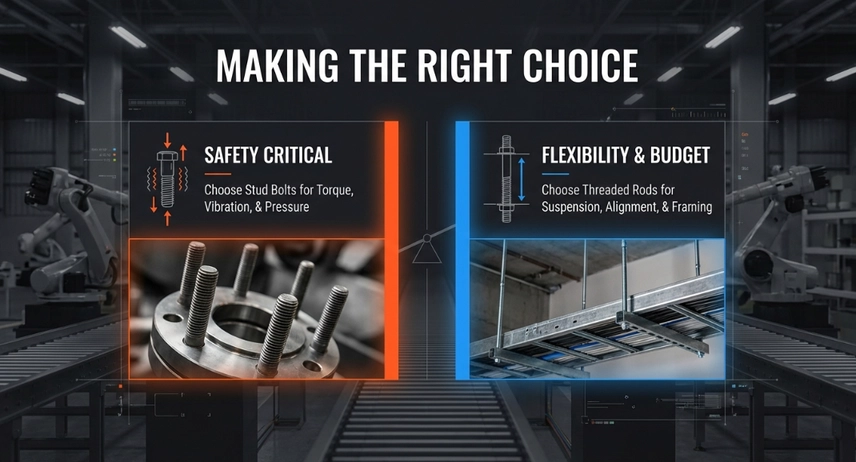
Stud Bolt vs Threaded Rod: Understanding the Key Differences for Engineering
A stud bolt and a threaded rod serve different jobs. A stud bolt holds parts that face a strong force. A threaded rod helps in tasks that need length change. Both parts look simple, but work in different ways. Each fastener supports systems that need a steady load. Choosing the right one keeps projects safe […]
20 Feb,2026
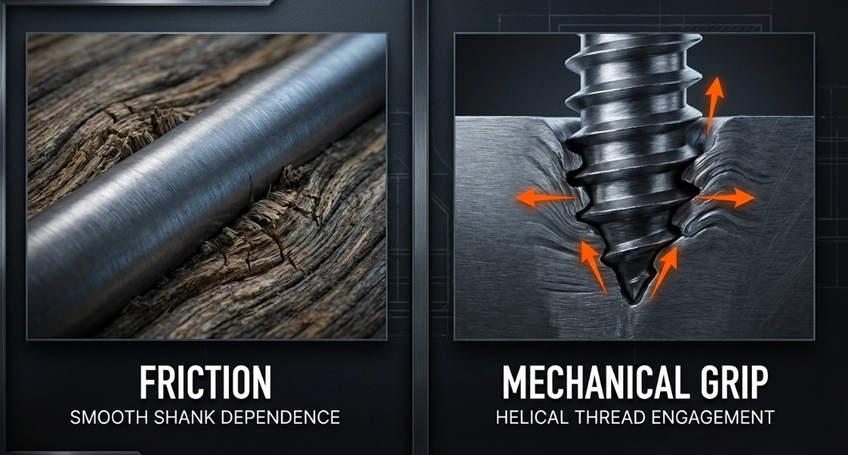
Nail vs Screw: What’s the Difference in Industrial Assembly and Manufacturing?
Understanding the difference between these fasteners matters because manufacturers depend on consistent performance, stable output, and predictable assembly quality. Nails handle shear loads well, while screws provide stronger tensile holding power. These differences influence assembly speed, line efficiency, and long-term product reliability. More importantly, choosing the right design also requires a stable, low-defect fastener supply, […]
08 Jan,2026
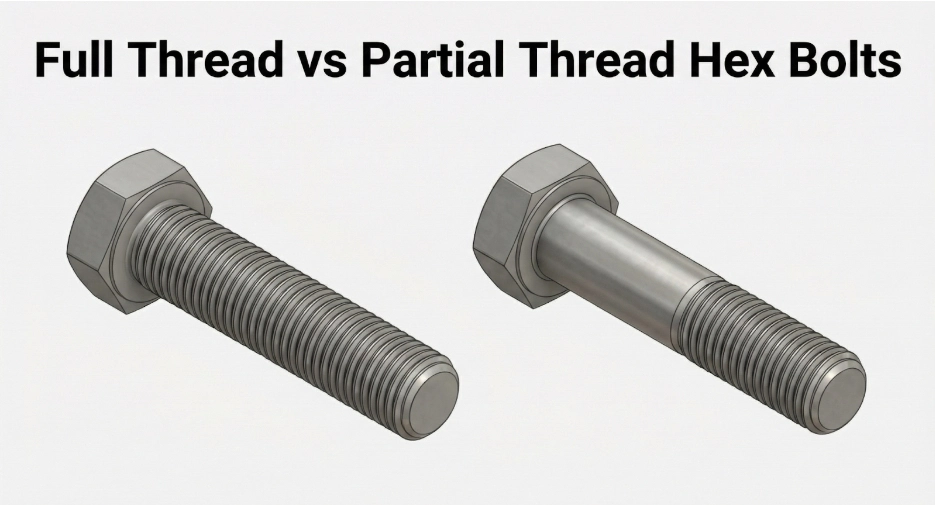
Understanding Full Thread vs Partial Thread Hex Bolts for Industrial Use
Choosing between a full or partial thread hex bolt depends on the mechanical load of your industrial project. This decision directly impacts the structural integrity and safety of heavy machinery and equipment. Engineers must evaluate shear and tensile forces to select the most effective fastener design. Proper thread selection prevents premature failure and ensures stable […]
06 Jan,2026
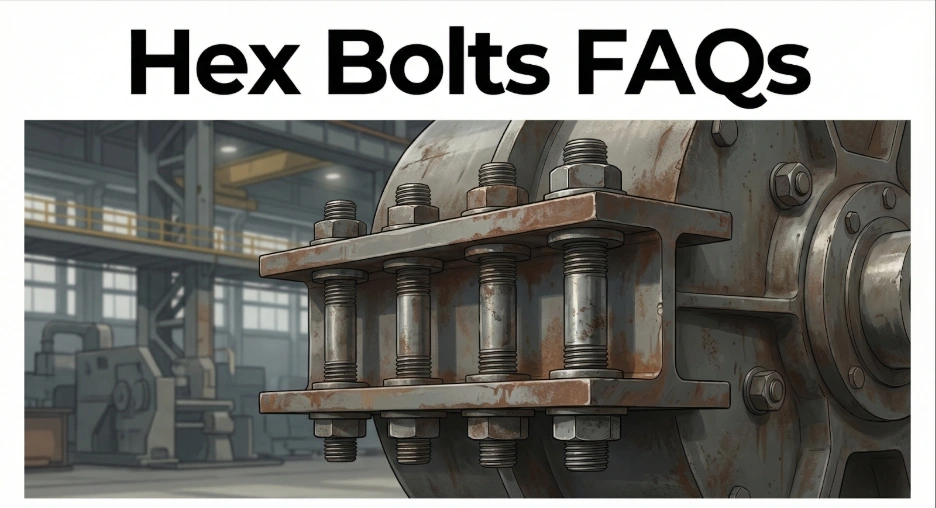
Hex Bolt Selection FAQ for Engineering and Procurement
Selecting the right industrial hardware is vital for successful engineering and procurement projects. This guide helps professional teams understand dimensions, standards, and delivery timelines efficiently. Key factors include sizing, corrosion resistance, and global compliance. What Defines a Hex Bolt and Where Is It Used A hex bolt is a threaded fastener with a six-sided head. […]

04 Jan,2026
Selecting Heavy Hex Bolts for Industrial Applications
Industrial structures require fasteners that maintain strength under load, vibration, and stress. Heavy hex bolts fill this role by offering high clamping force and mechanical stability. A hex head bolt features six sides for wrench installation and controlled torque transfer. Engineers rely on hex bolts in structural joints where failure is unacceptable. To learn more […]
02 Jan,2026
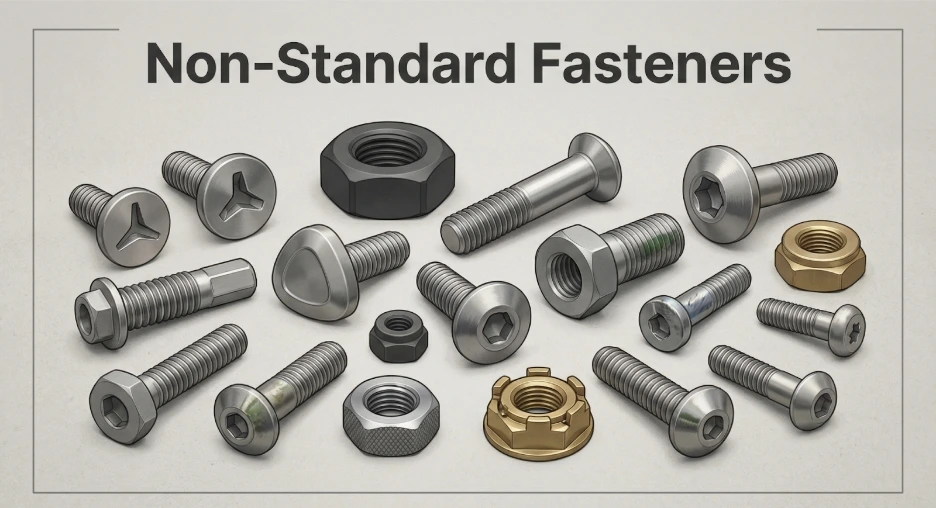
Non-Standard Fasteners: Functions and Solutions
Non-standard fasteners solve engineering problems that standard off-the-shelf parts cannot address. These custom parts provide the exact fit needed for the automotive and energy sectors. Most projects rely on universal standards for efficiency. However, specialized machines often require unique dimensions or specific chemical properties. Why These Types of Fasteners Exist Standard fasteners often fail to […]
07 Dec,2025
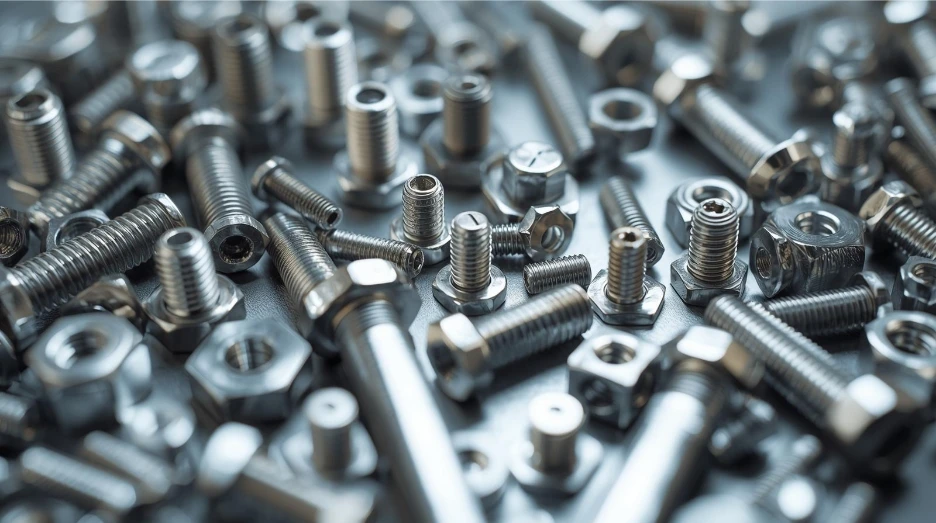
What is an OEM fastener?
In most BOMs, fasteners look like a small line item. But if one fails in the field, it can stop a production line, damage equipment, or trigger a recall. That’s why, when you’re sourcing OEM fasteners, you’re not just buying “bolts”; you’re making decisions that affect safety, uptime, and brand reputation. This guide answers a […]
05 Dec,2025
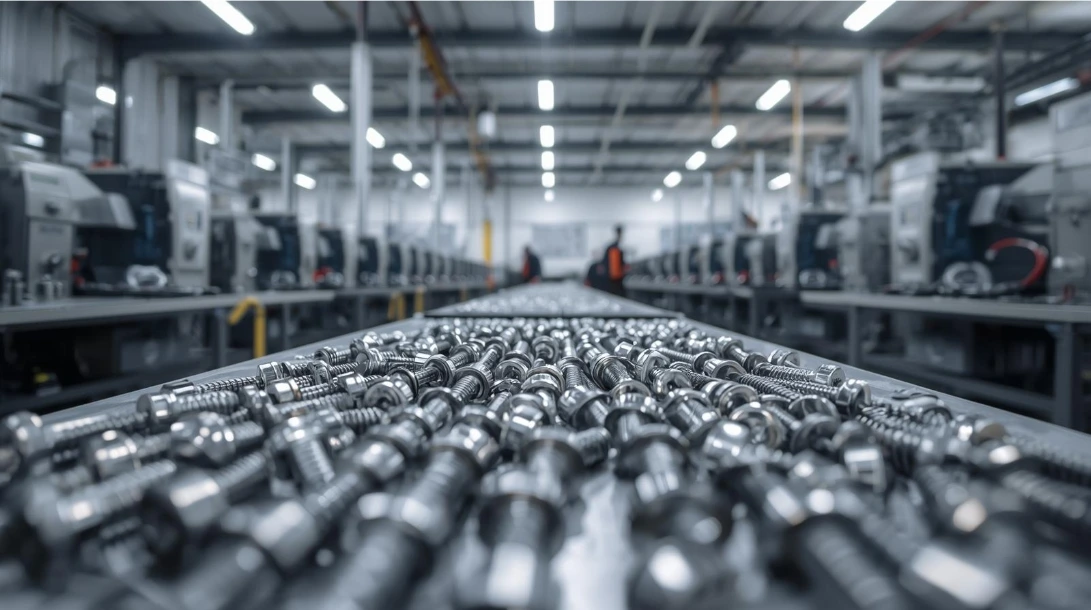
Top 10 OEM Fastener Suppliers 2026
If you build vehicles, machinery, or industrial equipment, you know how often small parts create big problems. A loose joint, a corroded bolt, or a missing clip can stop a line and damage customer trust. That’s why the choice of fastening partner is more than a purchasing decision. The right OEM fastener supplier helps you […]
03 Dec,2025
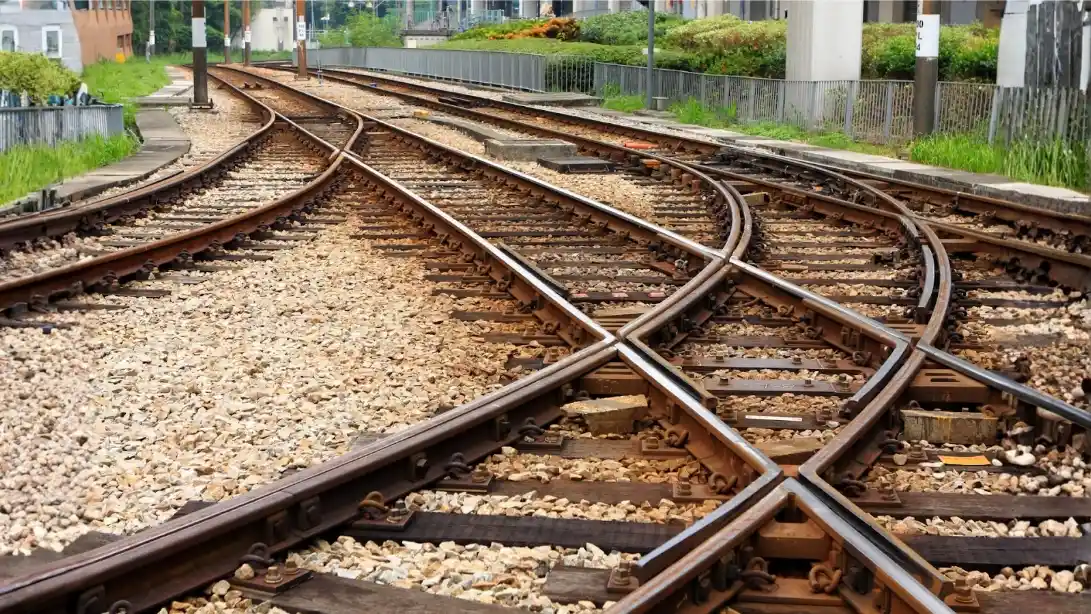
What Are Railway Fasteners? Key Components and Their Role in Track Safety
From the platform, a piece of track looks simple: two steel rails and a bed of stone. But anyone who buys or maintains railway hardware knows the real work is done by the components hidden around and underneath the rail. Those small parts are the fastening system in railway infrastructure that quietly holds everything together. […]
Search
Categories
Tags
Product
- Aftermarket Fasteners
- Brake Caliper Rep Kits
- Camber Bolt
- Cylinder Bolt
- Tow Hook
- Truck Bolt & Nut
- Wheel Bolt
- Wheel Nuts
- Fastener
- Bolt
- Bushing Sleeves
- Exhaust Hanger Road
- Flat Keys
- Helicoil Insert
- Nuts
- Pin
- Rivet
- Screws
- Stamping Parts
- stud
- Washer
- Automotive
- Body Parts
- Brake System
- Chassis Parts
- Engine Parts
- Transmission Parts


