Understanding Full Thread vs Partial Thread Hex Bolts for Industrial Use
Choosing between a full or partial thread hex bolt depends on the mechanical load of your industrial project. This decision directly impacts the structural integrity and safety of heavy machinery and equipment.
Engineers must evaluate shear and tensile forces to select the most effective fastener design. Proper thread selection prevents premature failure and ensures stable assembly in manufacturing applications.
What a Hex Bolt Is and Why Thread Type Matters
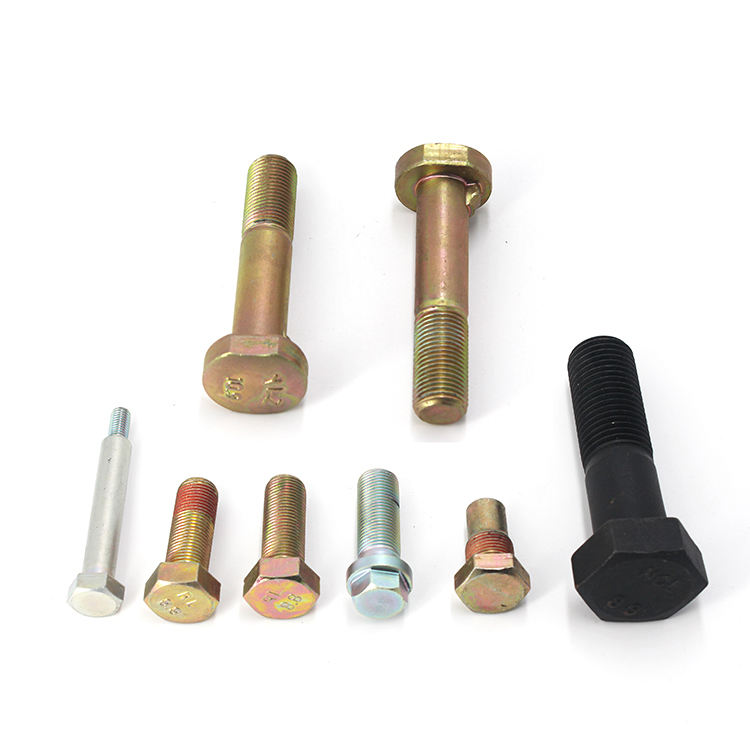
A hex bolt screw is a versatile fastener in modern construction. The hex bolt head is designed for high torque and stability. It is a staple in engineering and industrial manufacturing.
Various hex bolt head types meet different clearance requirements. A standard hex head bolt works with most common tools. Specialized designs exist for heavy-duty industrial use cases.
Understanding thread geometry is essential for any technical project. The thread design affects how a fastener handles mechanical stress. It also determines how parts fit together.
Full Thread Hex Bolts Explained
Full thread hex bolts have threads along the entire shank. This design offers maximum engagement in tapped holes. It provides a high clamp force for various assemblies.
A fully threaded hex bolt stays secure under constant tension. This makes them ideal for equipment with moving parts. They are reliable for many types of machinery.
These fasteners allow for flexible nut positioning on the shank. They are perfect for securing thin materials together. Designers often choose them for general-purpose fastening.
Full Thread Characteristics
| Feature | Description |
| Thread Coverage | Fully threaded along the shank |
| Load Strength | Strong in tensile applications |
| Assembly Flexibility | Variable nut positioning |
| Common Uses | Machinery and general assembly |
Partial Thread Hex Bolts Explained
Partial thread fasteners include a smooth shank and a threaded end. This smooth section is also known as the grip length. The design is intended for specific mechanical alignment tasks.
Structural joints often rely on this type of bolt. The smooth shank works like a dowel to prevent shifting. It ensures that parts stay aligned during operation.
Engine components frequently use these partial thread options. They offer superior strength in high-vibration environments. These bolts are essential for precision engineering.
Partial Thread Characteristics
| Feature | Description |
| Thread Coverage | Threaded only near the tip |
| Load Strength | Designed for shear force transfer |
| Alignment Benefit | Smooth shank works as a dowel |
| Common Uses | Engines and structural joints |
Mechanical Differences: Tensile vs Shear Performance
Tensile forces pull a bolt along its vertical axis. Full threads distribute this pressure across the entire fastener. This maintains a tight seal in high-pressure applications.
Shear forces act perpendicular to the fastener shank. Partial threads are better because the smooth shank is solid metal. Threads create small notches that can lead to snapping.
A solid shank has a larger cross-sectional area. This makes it more resistant to sideways pressure. It protects the joint from breaking under heavy loads.
Vibration can weaken joints that are not correctly fastened. Proper selection reduces the risk of fatigue over time. Engineers must calculate these forces before choosing a part.
Industrial Application Matching
Procurement teams should match the bolt to the load type. Heavy-duty projects require precision in fastener selection. This ensures the longevity of the final product.
Selection Guide
| Application Type | Load Type | Recommended Thread | Notes |
| Machinery assembly | Tensile | Full thread | Flexible nut positioning |
| Automotive suspension | Shear | Partial thread | Smooth shank handles shear |
| Structural joints | Shear + tensile | Partial thread | Better alignment |
| General fastening | Mixed | Full thread | Versatile option |
Thread Manufacturing and Precision: CNRL Digital Process
CNRL operates a digital factory for precise manufacturing. We use advanced thread forming to guarantee performance. Our methods include both thread rolling and thread twisting.
Thread rolling cold forms the hex bolt thread for strength. This process increases the fatigue life of the fastener. Digital sensors monitor the quality of every production run.
Our factory uses automated systems for high efficiency. This ensures that every part meets industrial tolerances. We focus on delivering perfect components every time.
In-house tooling allows for fast custom production cycles. We verify every dimension using modern inspection tools. Our digital approach reduces errors in the factory.
OEM Requirements and Custom Production Capabilities
We provide customized production for brands like Volkswagen. Our facility also supports projects for GM and Toyota. We adapt to specific automotive standards and safety rules.
We offer a wide range of coatings and materials. This includes specialized finishes for corrosion resistance. Our team manages complex logistics for global companies.
Every shipment comes with full lot traceability data. We support PPAP and IMDS requirements for all clients. This level of detail ensures quality and compliance.
Our team helps optimize designs for specific vehicle platforms. We use precision thread gauges to verify every component. We are a trusted partner for global manufacturers.
Standards, Measurements, and Thread Specifications
Thread pitch is a vital measurement for assembly success. It determines the distance between individual thread peaks. Matching the pitch ensures a perfect fit with nuts.
Metric and imperial sizes are used around the world. Using the wrong size can lead to joint failure. Precision gauging is necessary for high-stakes projects.
The hex bolt thread must be clean and accurate. Poor threading can lead to stripping during installation. We maintain strict standards to prevent these issues.
Key Thread Parameters
| Parameter | Why it Matters |
| Diameter | Determines shear capacity |
| Thread Pitch | Affects preload and torque |
| Grip Length | Critical for partial threads |
| Class of Fit | Controls assembly tolerance |
Conclusion: Choosing the Right Thread Type for the Job
Differences between thread types impact the safety of joints. The right hex bolt ensures that your assembly remains stable. It is the foundation of mechanical reliability.
Precision manufacturing and customization solve modern engineering problems. Match your load requirements to the correct thread design today. This simple step prevents costly maintenance in the future.


