20 Aug,2026
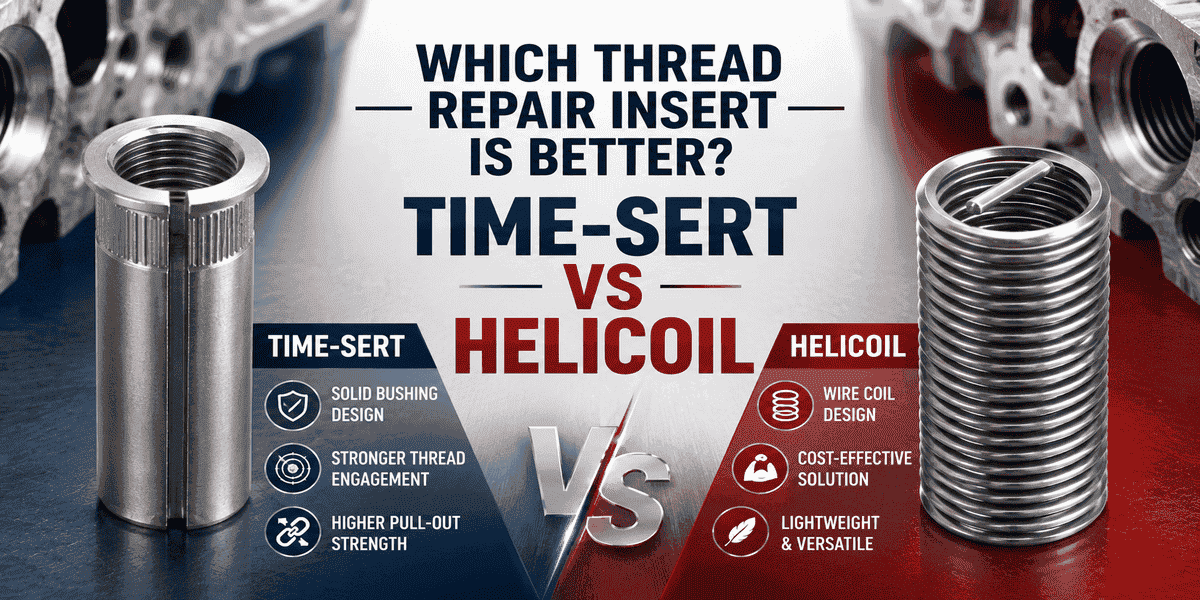
Which Thread Repair Insert Is Better? Time-Sert vs Helicoil
Quick Answer: Both Time-Sert and Helicoil are able to repair damaged threads; however, they have different constructions. Helicoil is made of wire that forms new internal threads with a small amount of material. Time-Sert is made of a solid thin-wall bushing with a flange and locking device. For automotive repair operations, the choice between Time-Sert […]

18 Aug,2026
Anti-Seize vs Threadlocker: How Do Anti-Seize Compounds and Threadlockers Alter Bolt Friction Coefficients and Torque Calculations?
Quick Answer: Anti-seize and threadlocker deal with different fastener issues. The use of anti-seize reduces friction and prevents corrosion or galling. The threadlocker is utilized to provide resistance to any unwanted movement of the threads. This is also one of the reasons why their effects on torque values differ. Using anti-seize on bolts can reduce […]

14 Aug,2026
Fastener Failure Analysis: What Causes Automotive Fastener Fatigue Fracture and Hydrogen Embrittlement Under Dynamic Loads?
Quick Answer: Fasteners used in automobiles may be susceptible to failure due to fatigue, shearing, corrosion-related cracking, or loosening caused by vibrations. Dynamic loading makes these issues much more dangerous since engine vibration, impact from roads, braking, and suspension system vibrations will cause the forces on a joint to change continuously. Fastener failure analysis must […]
12 Aug,2026
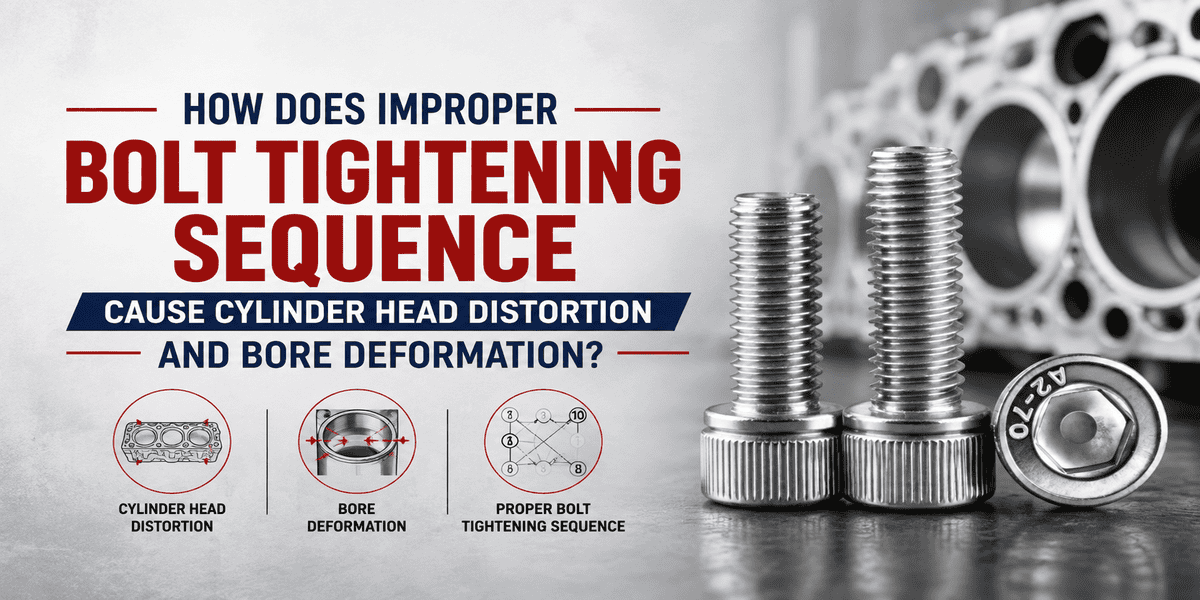
How Does Improper Bolt Tightening Sequence Cause Cylinder Head Distortion and Bore Deformation?
Quick Answer: Incorrect bolt torquing order may lead to one part of a cylinder head being loaded before others become clamped equally. Such force may cause distortion of the head itself, change the gasket’s compression ratio, and result in cylinder bore distortion. As such, cylinder head bolts are torqued according to a certain order starting […]
06 Aug,2026
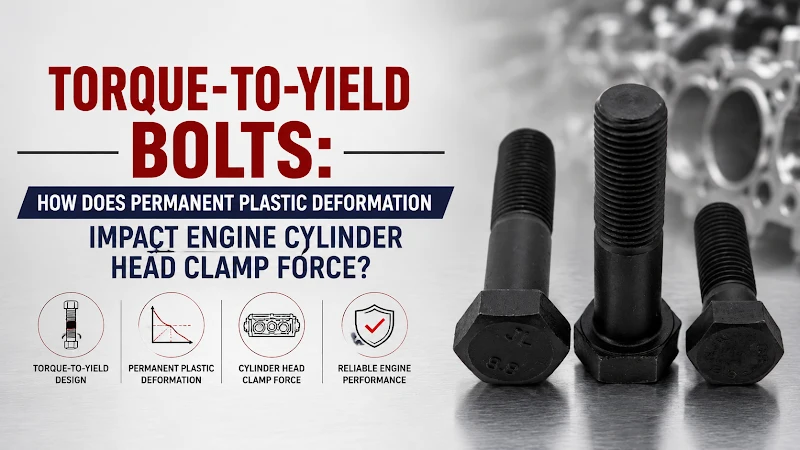
Torque-to-Yield Bolts: How Does Permanent Plastic Deformation Impact Engine Cylinder Head Clamp Force?
Quick Answer: Torque-to-yield bolts deform plastically during installation and are designed to do so. Deformation in the plastic zone ensures uniform distribution of load on an engine cylinder head and gasket. Permanent deformation is another reason why torque-to-yield bolts need to be changed once installed in the assembly and should not be reused, as it […]
03 Aug,2026
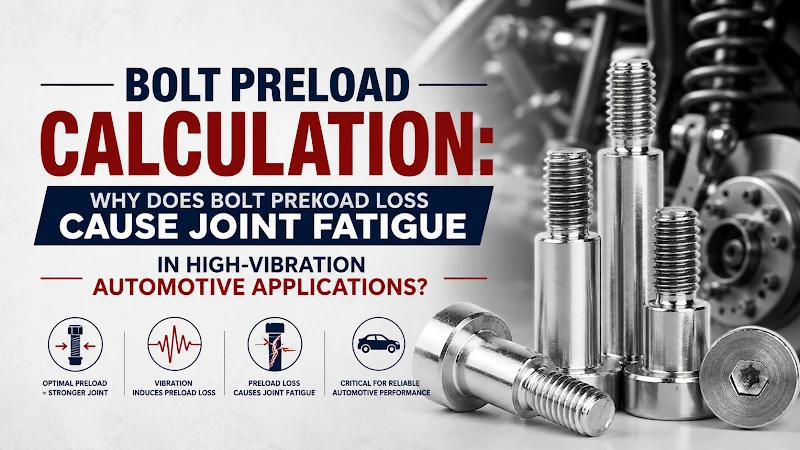
Bolt Preload Calculation: Why Does Bolt Preload Loss Cause Joint Fatigue in High-Vibration Automotive Applications?
Quick Answer: The bolt preload is the tension induced in the fastener during its tightening. It compresses the parts that are joined and prevents their separation due to vibrations and applied loads. As preload reduces, the joint will start to move and open during each loading cycle. Therefore, the cyclic load is going to affect […]
28 Jul,2026
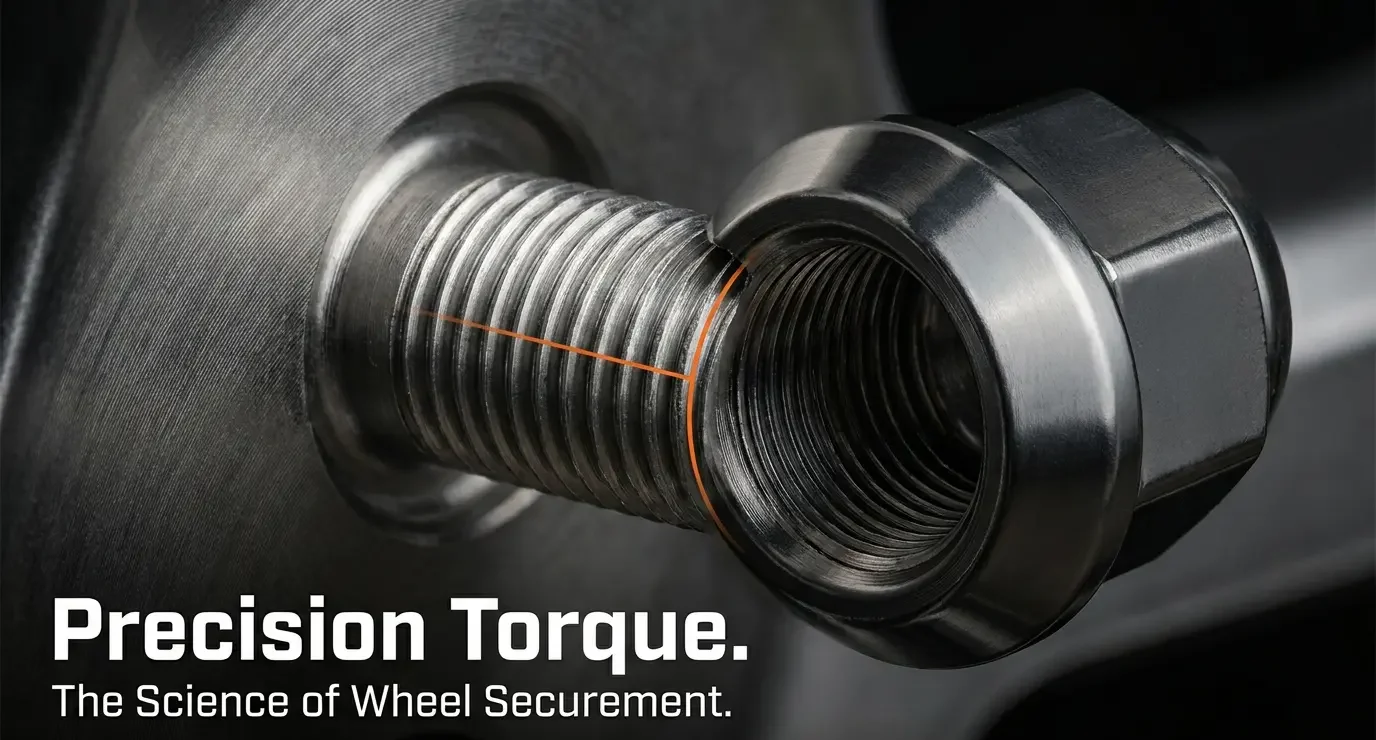
Lug Nut Torque Specs: Complete Chart By Vehicle Make And Model
Lug nut torque specs tell you how tight the lug nuts should be. The right number helps the wheel sit flat against the hub. It also helps protect the studs, threads and wheel seat. Do not guess the final value. Use the ranges below as a quick guide, then check the owner’s manual or service […]
24 Jul,2026
Aftermarket Suspension Parts: What To Look For When Replacing Suspension Fasteners
Aftermarket suspension parts need the right fasteners to work safely. A new ball joint, strut, control arm or shock can still fail if the bolts are weak, rusty or tightened the wrong way. Suspension parts carry weight, road shock and turning force. That is why bolts, nuts and washers should be checked as carefully as […]
22 Jul,2026
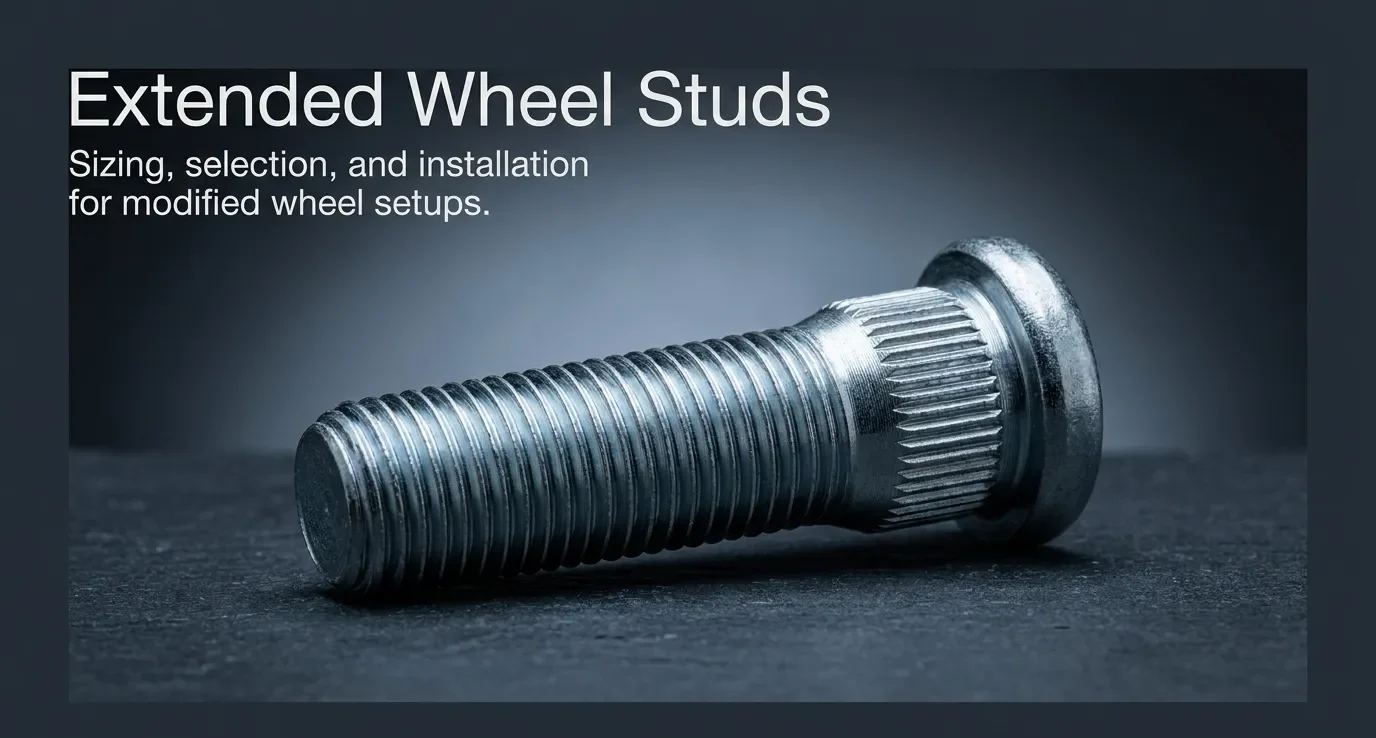
Extended Wheel Studs: When You Need Them And How To Choose
Extended wheel studs are longer wheel studs used when the normal studs do not give enough thread for the lug nuts. This can happen after adding aftermarket wheels, wheel spacers or some hub adapters. They may look like a small part, but they help hold the wheel to the hub. If the stud is too […]
Search
Categories
Tags
Product
- Aftermarket Fasteners
- Brake Caliper Rep Kits
- Camber Bolt
- Cylinder Bolt
- Tow Hook
- Truck Bolt & Nut
- Wheel Bolt
- Wheel Nuts
- Fastener
- Bolt
- Bronze pillar
- Bushing Sleeves
- Exhaust Hanger Road
- Helicoil Insert
- Keys
- Nuts
- Pin
- Rivet
- Screws
- Stamping Parts
- stud
- Washer
- Automotive
- Body Parts
- Brake System
- Chassis Parts
- Engine Parts
- Transmission Parts


