23 Jun,2026
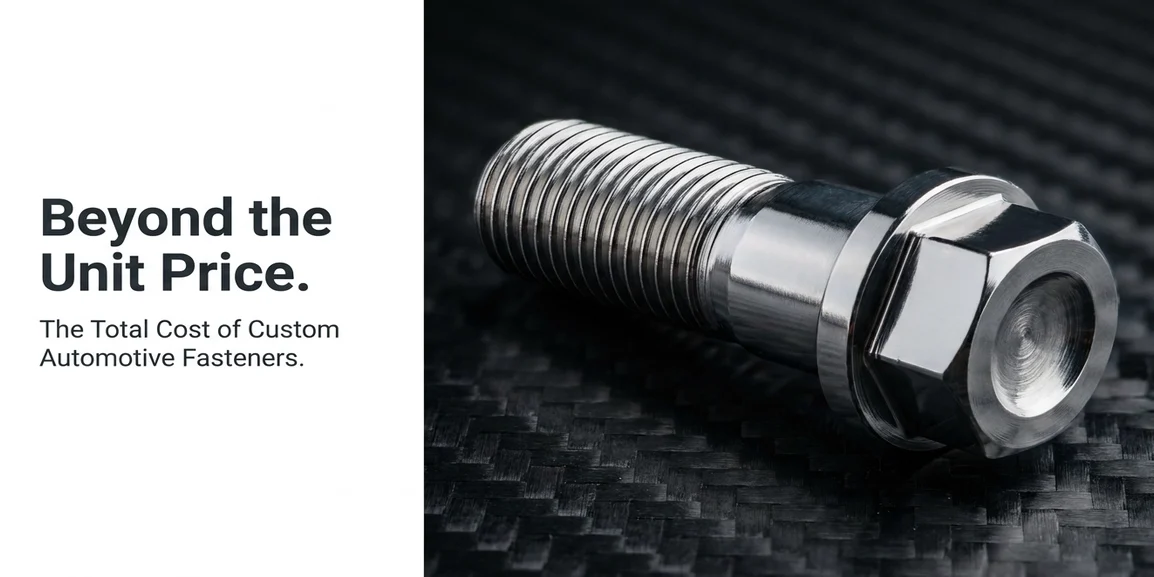
Custom Automotive Fasteners: When Is It Worth Investing In Non-Standard Parts?
Custom automotive fasteners are worth investing in when a standard part creates extra components, difficult assembly or fit problems. The unit price may be higher, but the total cost can be lower when one part replaces several loose parts. For procurement directors and project managers, the decision should balance cost, function and risk. A custom […]
23 Jun,2026
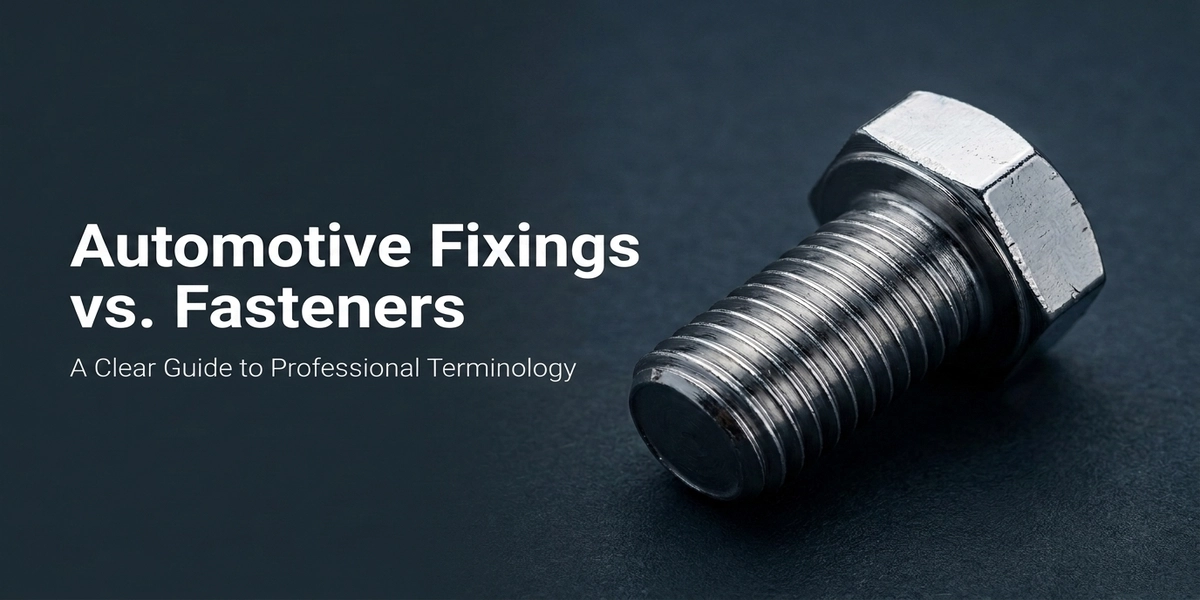
Automotive Fixings vs. Fasteners: A Clear Guide to Professional Terminology
Automotive fixings and fastenings ensure vehicle stability and passenger safety. Fixings create permanent connections for long-lasting structural support. Fasteners allow for removable joints, enabling easier maintenance and quick repairs. Selecting the correct component prevents failures in harsh vehicle environments. How Do Automotive Fixings and Fastenings Build Joint Permanence and Structural Integrity? Both component types must […]
20 Jun,2026
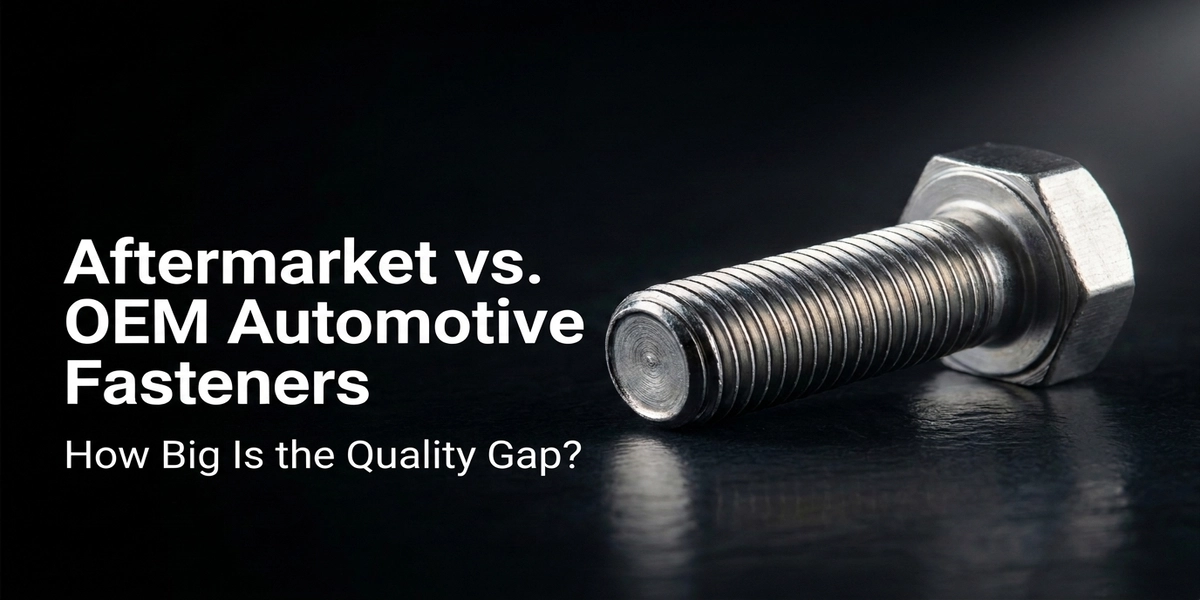
Aftermarket vs. OEM Automotive Fasteners: How Big Is the Quality Gap?
What Are the Differences Between OEM and Aftermarket Options? The primary differences involve production control, sourcing flexibility, and intended application use. OEM parts duplicate original production standards exactly. Meanwhile, automotive aftermarket fasteners serve as substitutes offering better cost efficiency. The debate over OEM automotive fasteners v aftermarket choices is common in vehicle repair. Buyers must […]

19 Jun,2026
Metric vs. Imperial Automotive Fasteners: What Are the Risks of Mixing Them?
Metric and imperial fasteners use entirely different measurement systems. Mixing these thread types causes stripped threads and joint failure. Fastener mismatch destroys component integrity during automotive assembly processes. Always verify exact thread parameters before any installation. What Are the Differences Between Imperial and Metric Automotive Fasteners? Metric fasteners use millimeter dimensions for diameter and pitch […]
18 Jun,2026
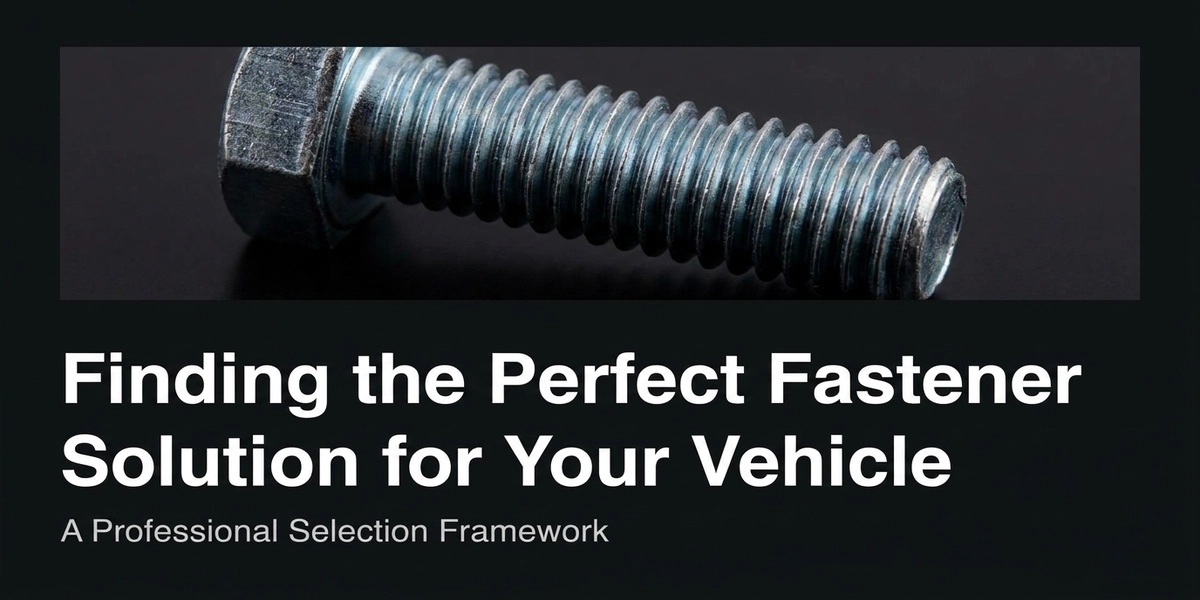
Finding the Perfect Fastener Solution for Your Vehicle: A Professional Selection Framework
Selecting the right automotive fastener solution requires strict engineering validation. Engineers must evaluate load, vibration, and environmental factors. A systematic framework prevents costly joint failures and assembly issues. How Do You Choose an Automotive Fastener Solution? To choose automotive fasteners, you must match mechanical, environmental, and cost requirements. Fastener selection is not just a procurement […]
15 Apr,2026
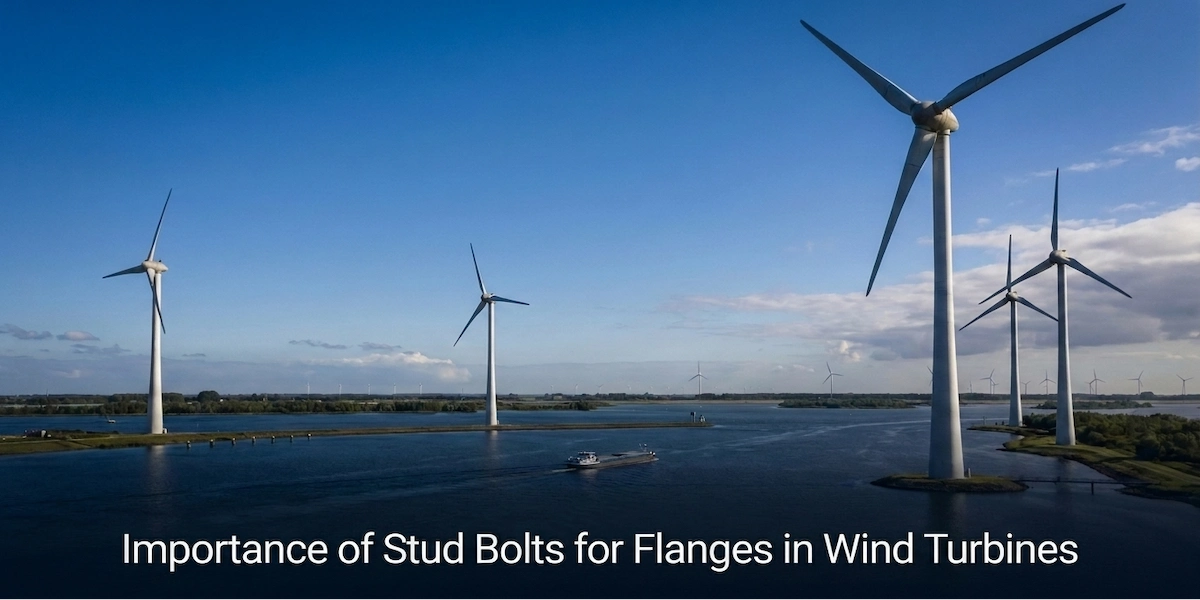
Stud Bolts for Flanges: The Wind Turbine Fastener That Holds It All Together
Wind turbines produce millions of watts of energy through a clean process. The stud bolt is a small component that holds the turbines together. All segments of the tower, the nacelle, and the hub are connected using bolted ring flanges. Choosing the wrong fastening element will cause failure of the whole assembly. This article discusses […]
11 Apr,2026
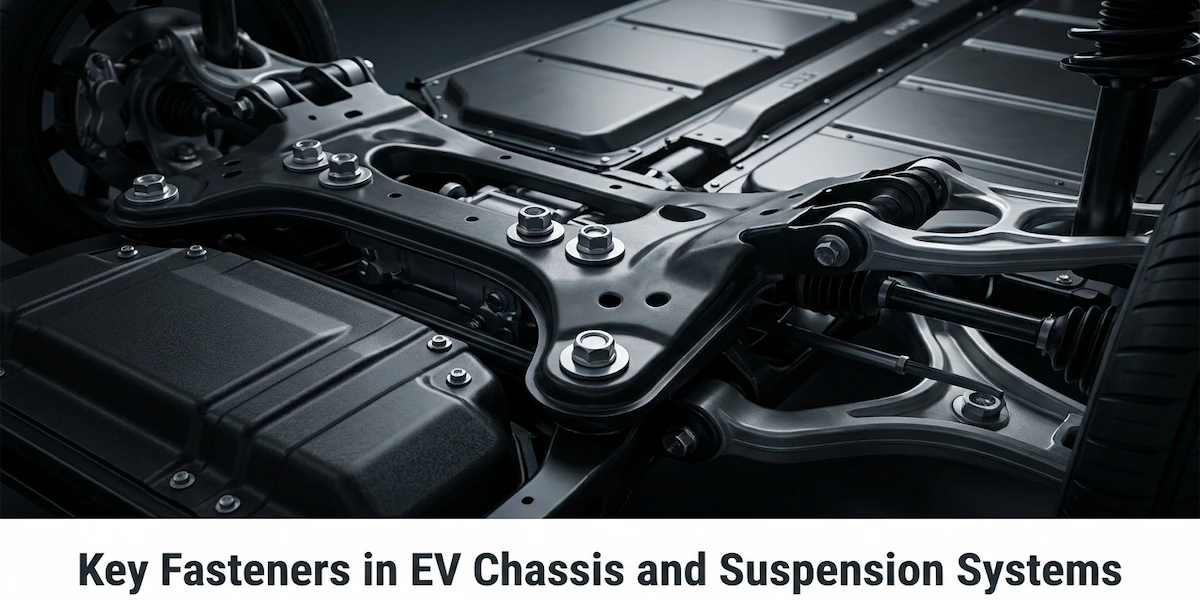
EV Chassis Fasteners: High-Strength Fasteners for your Vehicle
Fasteners required by electric vehicles surpass those used by internal combustion (ICE) vehicles in every aspect. This includes 600 kg of battery pack weight, an immediate high torque output provided by a permanent magnet motor, and the relentless thermal cycle. EV chassis fasteners serve as a safety-critical component. The wrong bolt, pin, or bushing not […]
02 Mar,2026
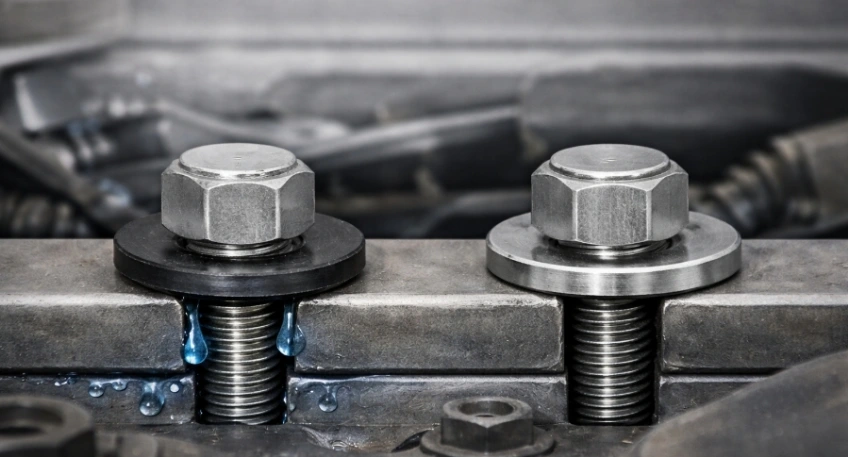
Gasket vs Washer: Understanding the Functional Differences for Sealing and Fastening
Washers and gaskets look almost the same. Both are flat, both have a hole in the middle, and both end up somewhere between a bolt and a surface. So it’s easy to see why engineers and procurement teams sometimes treat them as interchangeable. They’re not. Using the wrong one in the wrong place leads to […]
26 Feb,2026
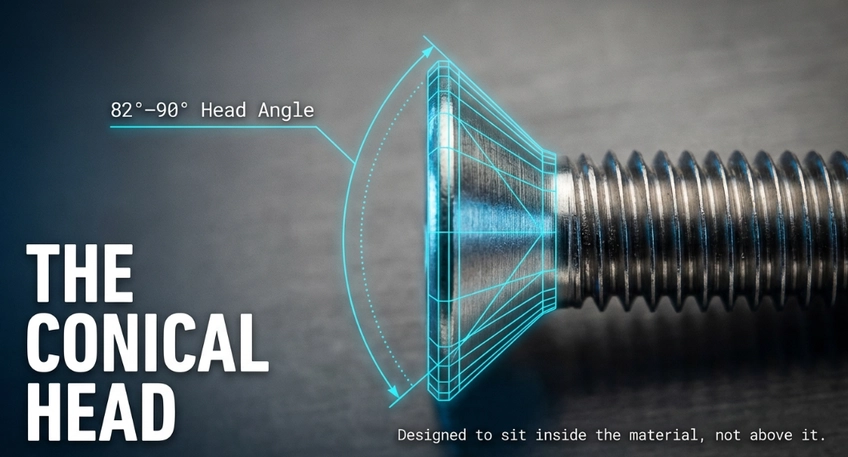
The Ultimate Guide: What Is a Countersunk Screw and Its Industrial Applications?
A countersunk screw is a fastener designed to sit flush with the surface after installation. This guide explains how it works, why engineers use it, and where it fits in industrial and automotive assemblies. You’ll learn the basics of countersinking, head styles, material choices, and how these fasteners support modern product design — including how […]
Search
Categories
Tags
Product
- Aftermarket Fasteners
- Brake Caliper Rep Kits
- Camber Bolt
- Cylinder Bolt
- Tow Hook
- Truck Bolt & Nut
- Wheel Bolt
- Wheel Nuts
- Fastener
- Bolt
- Bronze pillar
- Bushing Sleeves
- Exhaust Hanger Road
- Helicoil Insert
- Keys
- Nuts
- Pin
- Rivet
- Screws
- Stamping Parts
- stud
- Washer
- Automotive
- Body Parts
- Brake System
- Chassis Parts
- Engine Parts
- Transmission Parts


