23 Giu,2026
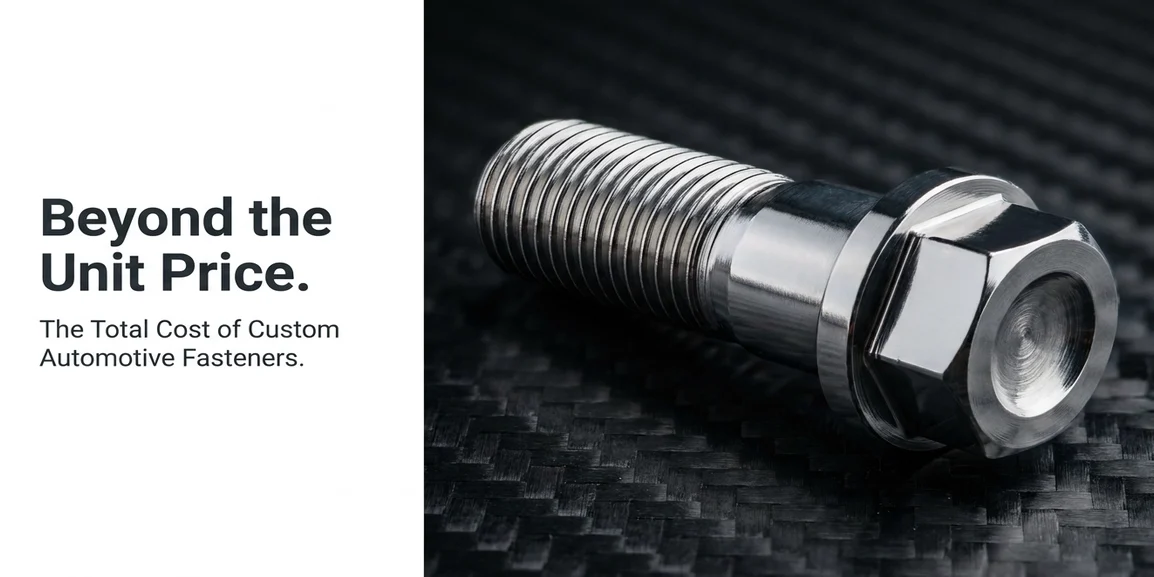
Custom Automotive Fasteners: When Is It Worth Investing In Non-Standard Parts?
Custom automotive fasteners are worth investing in when a standard part creates extra components, difficult assembly or fit problems. The unit price may be higher, but the total cost can be lower when one part replaces several loose parts. For procurement directors and project managers, the decision should balance cost, function and risk. A custom […]
23 Giu,2026
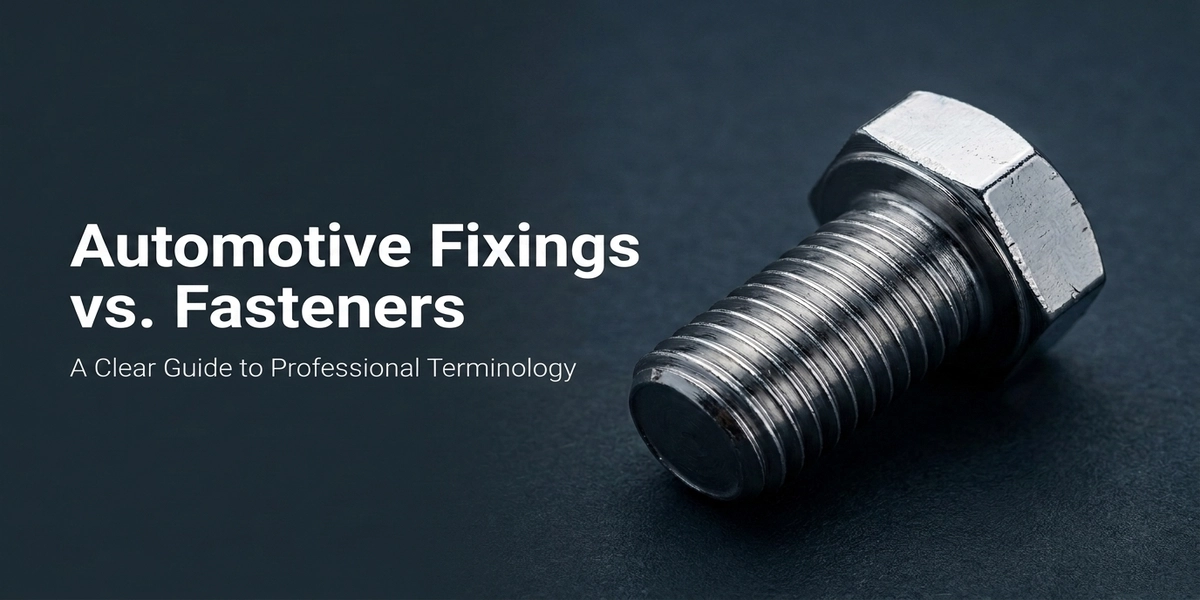
Automotive Fixings vs. Fasteners: A Clear Guide to Professional Terminology
Automotive fixings and fastenings ensure vehicle stability and passenger safety. Fixings create permanent connections for long-lasting structural support. Fasteners allow for removable joints, enabling easier maintenance and quick repairs. Selecting the correct component prevents failures in harsh vehicle environments. How Do Automotive Fixings and Fastenings Build Joint Permanence and Structural Integrity? Both component types must […]
20 Giu,2026
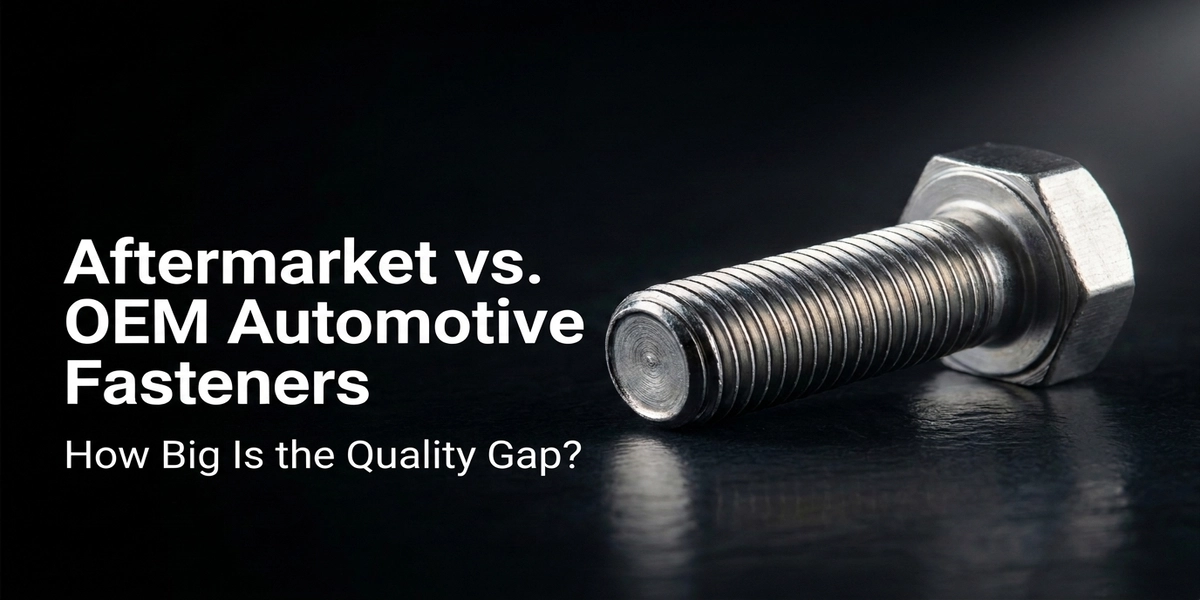
Aftermarket vs. OEM Automotive Fasteners: How Big Is the Quality Gap?
What Are the Differences Between OEM and Aftermarket Options? The primary differences involve production control, sourcing flexibility, and intended application use. OEM parts duplicate original production standards exactly. Meanwhile, automotive aftermarket fasteners serve as substitutes offering better cost efficiency. The debate over OEM automotive fasteners v aftermarket choices is common in vehicle repair. Buyers must […]

19 Giu,2026
Metric vs. Imperial Automotive Fasteners: What Are the Risks of Mixing Them?
Metric and imperial fasteners use entirely different measurement systems. Mixing these thread types causes stripped threads and joint failure. Fastener mismatch destroys component integrity during automotive assembly processes. Always verify exact thread parameters before any installation. What Are the Differences Between Imperial and Metric Automotive Fasteners? Metric fasteners use millimeter dimensions for diameter and pitch […]
18 Giu,2026
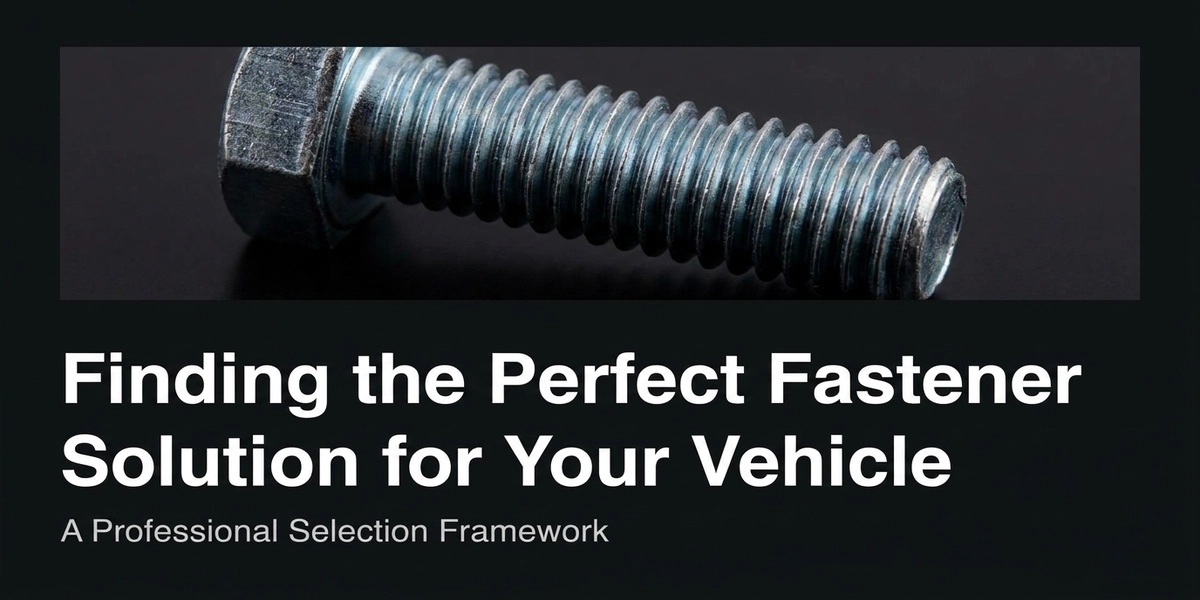
Finding the Perfect Fastener Solution for Your Vehicle: A Professional Selection Framework
Selecting the right automotive fastener solution requires strict engineering validation. Engineers must evaluate load, vibration, and environmental factors. A systematic framework prevents costly joint failures and assembly issues. How Do You Choose an Automotive Fastener Solution? To choose automotive fasteners, you must match mechanical, environmental, and cost requirements. Fastener selection is not just a procurement […]
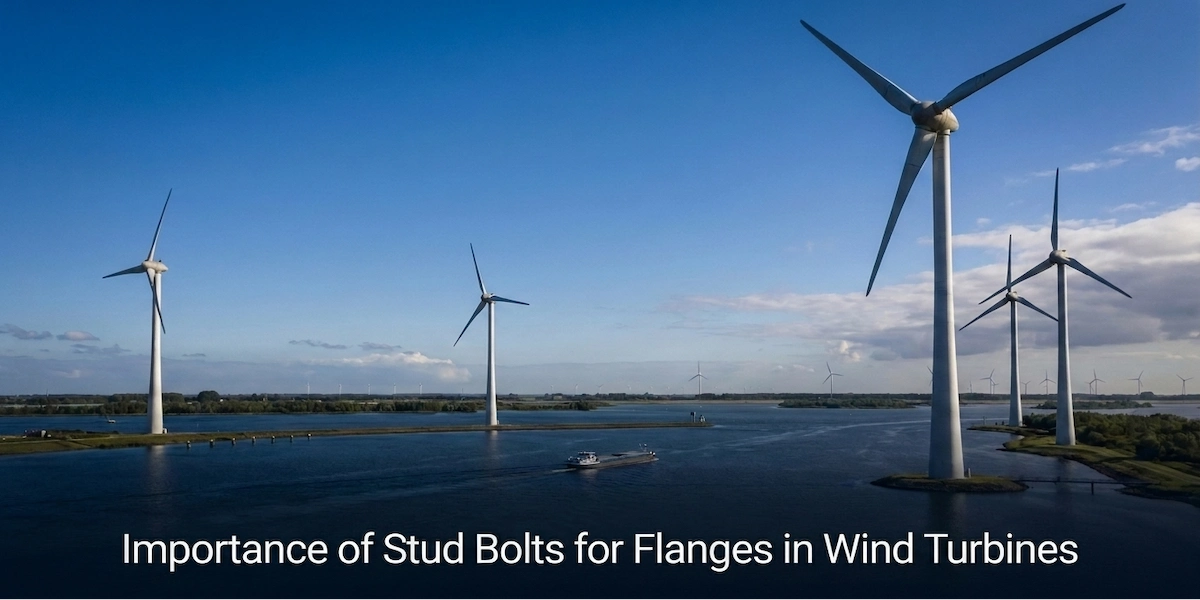
15 aprile 2026
Prigionieri per flange: l'elemento di fissaggio che tiene insieme il tutto nelle turbine eoliche.
Le turbine eoliche producono milioni di watt di energia attraverso un processo pulito. Il prigioniero è un piccolo componente che tiene insieme le turbine. Tutti i segmenti della torre, della navicella e del mozzo sono collegati tramite flange ad anello imbullonate. La scelta dell'elemento di fissaggio sbagliato può causare il cedimento dell'intero gruppo. Questo articolo tratta di […]
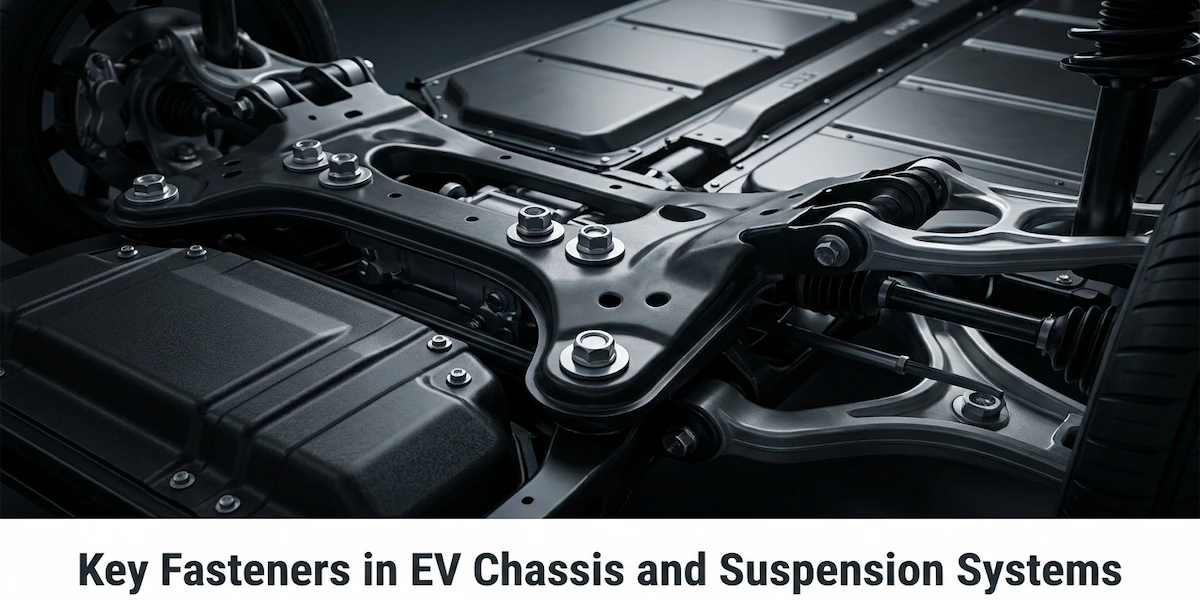
11 aprile 2026
Elementi di fissaggio per telaio di veicoli elettrici: elementi di fissaggio ad alta resistenza per il tuo veicolo.
I dispositivi di fissaggio richiesti dai veicoli elettrici superano quelli utilizzati dai veicoli con motore a combustione interna (ICE) sotto ogni aspetto. Ciò include il peso di 600 kg del pacco batterie, l'elevata coppia immediata fornita da un motore a magneti permanenti e l'implacabile ciclo termico. I dispositivi di fissaggio del telaio dei veicoli elettrici sono un componente critico per la sicurezza. Un bullone, un perno o una boccola non adatti […]
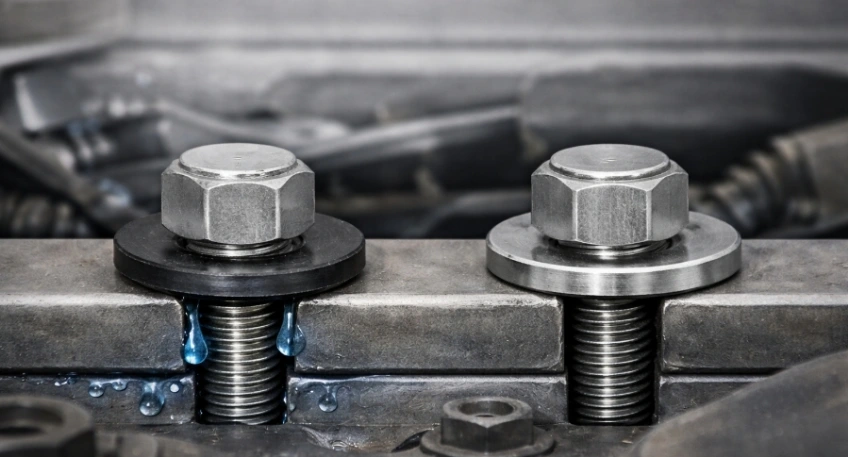
02 marzo 2026
Guarnizione vs. rondella: comprendere le differenze funzionali per la tenuta e il fissaggio
Rondelle e guarnizioni sembrano quasi identiche. Entrambe sono piatte, entrambe hanno un foro al centro ed entrambe finiscono per interporsi tra un bullone e una superficie. Quindi è facile capire perché ingegneri e addetti agli acquisti a volte le considerino intercambiabili. Non lo sono. Usare quella sbagliata nel posto sbagliato porta a […]
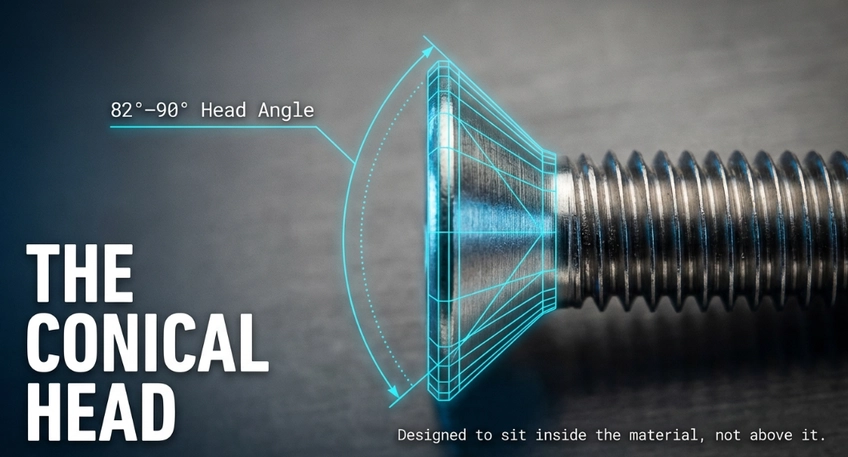
26 febbraio 2026
La guida definitiva: cos'è una vite a testa svasata e quali sono le sue applicazioni industriali?
Una vite a testa svasata è un elemento di fissaggio progettato per aderire perfettamente alla superficie dopo l'installazione. Questa guida spiega come funziona, perché gli ingegneri la utilizzano e dove si adatta agli assemblaggi industriali e automobilistici. Imparerai le basi della svasatura, le tipologie di testa, la scelta dei materiali e come questi elementi di fissaggio supportano la progettazione moderna dei prodotti, incluso come […]
Ricerca
Categorie
Etichette
Prodotto
- Aftermarket Fasteners
- Brake Caliper Rep Kits
- Camber Bolt
- Cylinder Bolt
- Tow Hook
- Truck Bolt & Nut
- Wheel Bolt
- Dadi delle ruote
- Fissaggio
- Bullone
- Bronze pillar
- Manicotti di boccola
- Gancio di scarico Strada
- Inserto elicoidale
- Chiavi
- Noci
- Spillo
- Rivetto
- Viti
- Stampaggio di parti
- stud
- Rondella
- Automobilistico
- Parti del corpo
- Sistema frenante
- Parti del telaio
- Parti del motore
- Parti di trasmissione


