Fissaggi per l'industria automobilistica: principali differenze tra le esigenze di produzione e riparazione
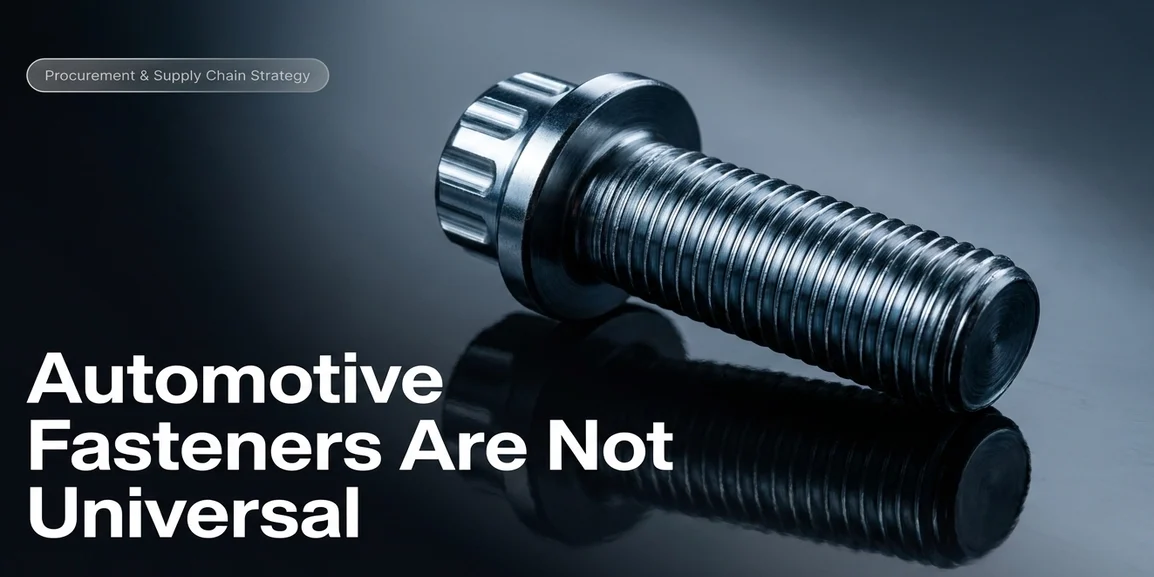
Gli elementi di fissaggio per i progetti dell'industria automobilistica non vengono tutti acquistati per lo stesso uso. Le linee di assemblaggio OEM necessitano di parti stabili e ripetibili per la produzione di massa, mentre le officine di riparazione necessitano di parti di ricambio pratiche, facili da identificare, imballare e installare.
Questa differenza influisce sulla scelta del materiale, sul rivestimento, sull'imballaggio, sull'ispezione e sulla pianificazione della consegna. Un elemento di fissaggio che funziona bene per la produzione automatizzata potrebbe non essere la scelta migliore per un kit di riparazione. Allo stesso modo, una parte di ricambio per la vendita al dettaglio potrebbe non essere adatta alle attrezzature di assemblaggio ad alto volume.
Perché le linee di assemblaggio OEM necessitano di elementi di fissaggio diversi?
Linee di assemblaggio OEM necessitano di elementi di fissaggio che supportino velocità, coerenza e controllo del processo. La stessa parte può essere installata migliaia di volte in stazioni automatizzate o semi-automatizzate.
In questo contesto, l'elemento di fissaggio deve alimentarsi agevolmente, adattarsi correttamente all'utensile e raggiungere il carico di serraggio richiesto senza rallentare la produzione. Un piccolo problema con la forma della testa, la qualità della filettatura o l'attrito del rivestimento può influire sul controllo della coppia.
Anche i sistemi di alimentazione automatizzati richiedono dimensioni stabili. Se una testa del bullone, la forma della rondella o il profilo del dado varia troppo, la linea potrebbe subire blocchi, scarti o interventi manuali.
Per gli acquirenti OEM, l'attenzione non è solo sulla parte stessa. La vera preoccupazione è se l'elemento di fissaggio possa supportare un assemblaggio ripetibile con interruzioni limitate.
Di cosa hanno bisogno le officine di riparazione dagli elementi di fissaggio automobilistici?
Le officine di riparazione necessitano di elementi di fissaggio facili da abbinare, imballare, conservare e installare. Potrebbero non ordinare grandi volumi di una singola parte. Invece, spesso necessitano di diversi SKU per diversi modelli, sistemi o lavori di riparazione.
Ciò rende l'imballaggio più importante. Un meccanico potrebbe aver bisogno di un piccolo kit con bulloni, dadi, rondelle o manicotti raggruppati per applicazione. Etichette chiare, imballaggi misti e quantità specifiche per la riparazione possono ridurre la confusione.
Le officine di riparazione hanno anche a che fare con hardware originali usurati, arrugginiti o mancanti. Una parte di ricambio deve corrispondere alla funzione dell'elemento di fissaggio originale, non solo alle dimensioni visibili.
Ecco perché gli elementi di fissaggio per i canali di riparazione dell'industria automobilistica necessitano spesso di una pianificazione flessibile degli SKU, di kit e di supporto all'assemblaggio.
Produzione vs Esigenze di riparazione a colpo d'occhio
L'industria degli elementi di fissaggio automobilistici serve sia i canali di produzione che quelli di assistenza. Questi canali possono utilizzare parti simili, ma le loro priorità sono diverse.
| Requisito | Esigenza di produzione OEM | Esigenza dell'officina di riparazione |
| Modello d'ordine | Ordini ripetuti ad alto volume | Ordini più piccoli con SKU misti |
| Confezione | Cartoni sfusi, sacchi o fornitura pronta per la linea | Kit, confezioni etichettate o set di riparazione |
| Preoccupazione principale | Alimentazione automatizzata e ripetibilità della coppia | Facile abbinamento e installazione rapida |
| Focus sull'ispezione | Stabilità dimensionale e coerenza della produzione | Adattamento, rivestimento, quantità e identificazione della parte |
| Rischio comune | Arresto della linea o variazione della coppia | Selezione errata della parte o hardware mancante |
Ecco perché gli acquirenti dovrebbero definire il canale di vendita prima di finalizzare la specifica dell'elemento di fissaggio. La stessa famiglia di elementi di fissaggio potrebbe richiedere imballaggi e regole di ispezione diversi per ciascun uso.
In che modo il controllo della coppia modifica la selezione degli elementi di fissaggio OEM?
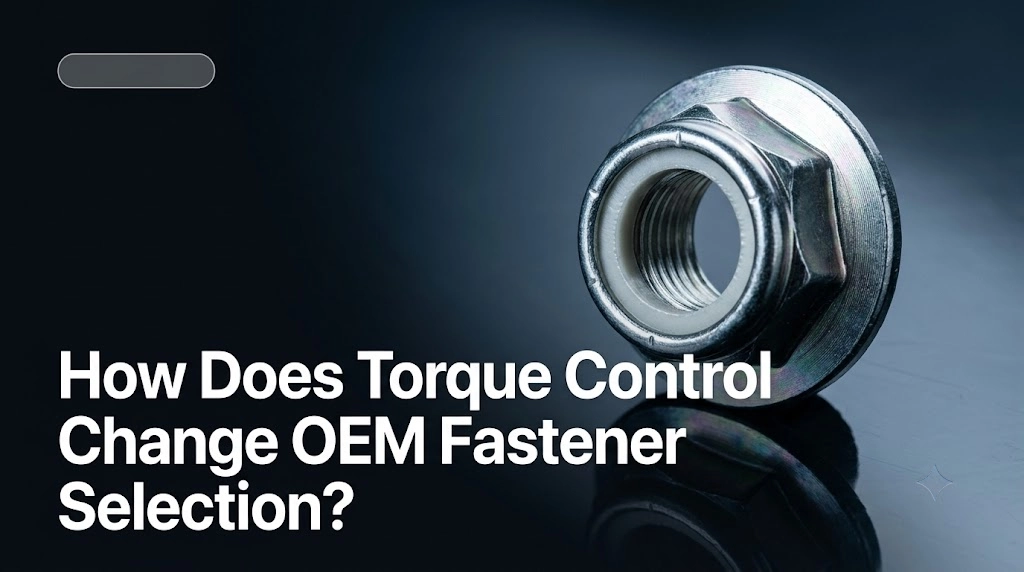
Il controllo della coppia modifica la selezione degli elementi di fissaggio OEM perché l'elemento di fissaggio deve funzionare con utensili di serraggio controllati. Il giunto potrebbe richiedere un carico di serraggio specifico, un comportamento di attrito e un impegno della filettatura.
Una parte standard può non soddisfare questo requisito se il rivestimento crea un attrito instabile o se lo stile della testa non si adatta bene all'utensile. Nelle postazioni di lavoro automatizzate, questi problemi possono creare letture di coppia errate o allarmi di assemblaggio ripetuti.
Per i giunti sensibili alla coppia, i team di approvvigionamento dovrebbero esaminare insieme il tipo di dado, la forma della filettatura, il rivestimento e il metodo di prova. Ad esempio, dadi flangiati a coppia prevalente possono essere considerati quando il giunto richiede un design del dado che supporti il fissaggio controllato e la resistenza allentamento.
Questo tipo di parte non dovrebbe essere selezionato solo in base al prezzo. Deve adattarsi all'applicazione, all'accesso all'utensile e al piano di ispezione.
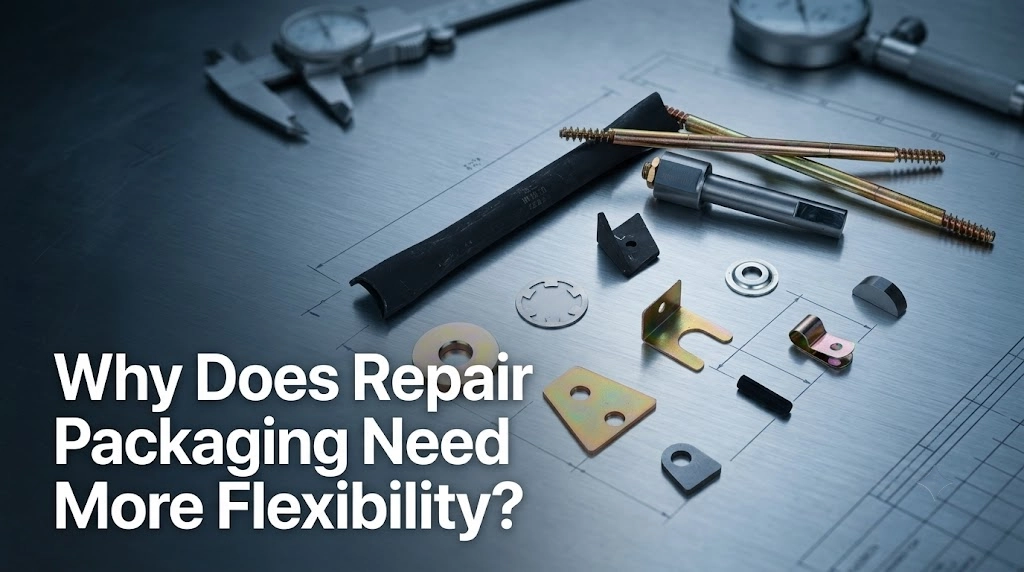
Perché l'imballaggio per riparazioni necessita di maggiore flessibilità?
L'imballaggio per riparazioni necessita di maggiore flessibilità perché le officine non necessitano sempre di cartoni completi per la produzione. Potrebbero aver bisogno di confezioni piccole, kit misti o assemblaggi raggruppati per un'area di riparazione.
Ad esempio, un programma di riparazione potrebbe richiedere bulloni, boccole e rondelle relativi al motore imballati insieme. Ciò riduce la possibilità che una piccola parte venga persa quando il meccanico inizia il lavoro.
Aiuta anche i distributori a gestire le scorte. Invece di vendere molti articoli sfusi separatamente, possono fornire set di riparazione raggruppati per applicazioni comuni.
Quando gli acquirenti esaminano assemblaggi di elementi di fissaggio per motori automobilistici, la domanda principale dovrebbe essere se il gruppo di parti corrisponde al flusso di lavoro di riparazione. La migliore scelta di imballaggio dipende da come il cliente installa le parti, non solo da come la fabbrica le produce.
Cosa dovrebbero chiedere gli acquirenti prima di scegliere un fornitore?
Gli acquirenti che ricercano i principali fornitori di elementi di fissaggio per programmi automobilistici dovrebbero chiedere se il fornitore può soddisfare sia le esigenze di produzione che quelle di riparazione. Una fabbrica potrebbe essere forte nella produzione di massa ma debole nel kitting. Un altro fornitore potrebbe gestire l'imballaggio per riparazioni ma mancare di controllo del processo per l'assemblaggio OEM.
Una revisione pratica del fornitore dovrebbe coprire:
- Volume di produzione: Il fornitore può gestire ordini ripetuti senza alterare la coerenza delle parti?
- Compatibilità degli utensili: L'elemento di fissaggio funzionerà con utensili automatici o a coppia controllata?
- Formato dell'imballaggio: Il fornitore può fornire kit sfusi, in piccole confezioni o con SKU misti?
- Ispezione: Il fornitore può controllare durezza, dimensioni, rivestimento e qualità della filettatura?
- Gamma di applicazioni: Il fornitore può supportare parti di motore, telaio, carrozzeria, trasmissione o freni?
- Personalizzazione: Il fornitore può lavorare da disegni, campioni o requisiti non standard?
Lo stesso ragionamento si ritrova anche in altre catene di approvvigionamento rigorose. Gli acquirenti che confrontano noi produttori a contratto fornitori aerospaziali medici della difesa controllano spesso il controllo del processo, la documentazione e l'accuratezza dell'imballaggio. Gli acquirenti automobilistici possono utilizzare un metodo di revisione simile senza presumere che le industrie abbiano gli stessi standard.
In che modo CNRL Fasteners può supportare entrambi i canali?
CNRL Fasteners può supportare sia la produzione ad alto volume che la fornitura per il canale di riparazione offrendo opzioni di fissaggio standard e personalizzate. Questo è importante quando gli acquirenti necessitano di un unico fornitore per fissaggi industriali sfusi e confezioni al dettaglio multi-SKU.
Per la produzione OEM, CNRL può supportare parti che richiedono un controllo stabile di dimensioni, materiali, rivestimenti e ispezioni. Per i programmi di riparazione e aftermarket, la stessa base produttiva può supportare quantità minori, parti raggruppate e imballaggi basati sull'applicazione.
Questo è utile per gli acquirenti che gestiscono fissaggi per l'industria automobilistica e del gas in diversi canali. Un distributore potrebbe aver bisogno di parti sfuse per utenti industriali e di confezioni di riparazione più piccole per clienti di assistenza veicoli.
La gamma di prodotti CNRL copre anche bulloni, dadi, rondelle, perni, boccoleviti, parti stampate e categorie automobilistiche. Ciò offre agli acquirenti maggiore spazio per allineare il tipo di fissaggio con l'effettiva esigenza di assemblaggio o riparazione.
Abbina il piano di fissaggio al canale di vendita
I fissaggi per i progetti dell'industria automobilistica dovrebbero essere selezionati in base al loro utilizzo. Le linee di assemblaggio OEM necessitano di parti ripetibili per l'alimentazione automatizzata, il controllo della coppia e la produzione di massa. Le officine di riparazione necessitano di imballaggi chiari, adattamento corretto e supporto flessibile per SKU.
Prima di effettuare un ordine, gli acquirenti dovrebbero definire l'applicazione, il volume, il formato dell'imballaggio, l'esigenza di ispezione e il metodo di installazione. Ciò aiuta a evitare di utilizzare una parte in stile produzione in un flusso di lavoro di riparazione, o una confezione in stile riparazione in una linea di assemblaggio automatizzata.
CNRL Fasteners può esaminare entrambe le esigenze e aiutare a far corrispondere la specifica del fissaggio, il piano di imballaggio e la richiesta di ispezione al canale effettivo.