Nachrüst-Fahrwerksteile: Worauf Sie bei Ersatz von Fahrwerksbefestigungen achten sollten
Ersatzteile für Fahrwerk benötigen die richtigen Befestigungselemente, um sicher zu funktionieren. Ein neues Kugelgelenk, Federbein, Querlenker oder…
Fahrwerksteile tragen Gewicht, Stoßbelastungen und Lenkkräfte. Deshalb sollten Schrauben, Muttern und Unterlegscheiben genauso sorgfältig geprüft werden wie das Hauptteil.
Warum Fahrwerk-Befestigungselemente besondere Aufmerksamkeit benötigen
Fahrwerk-Befestigungselemente sind sicherheitsrelevante Teile. Sie helfen, das Rad, die Lenkung und das Fahrwerkssystem während der Fahrt an der richtigen Stelle zu halten.
Diese Schrauben sind hohen Belastungen ausgesetzt. Sie sind auch Stößen, starken Kurven, harten Bremsmanövern und Straßenvibrationen ausgesetzt. Eine zu schwache oder zu lose Schraube kann Geräusche, schlechte Spureinstellung oder unsichere Bewegungen verursachen.
Rost ist ein weiteres großes Problem. In Gebieten mit Streusalz kann das Salz die Gewinde, den Schaft und den Schraubenkopf angreifen. Eine Schraube mag auf den ersten Blick gut aussehen, aber die Gewinde können dünn, rau oder im Loch festgefressen sein.
Deshalb sollten alte Fahrwerk-Befestigungsteile nicht ohne Überprüfung wiederverwendet werden. Wenn eine Schraube gedehnt, stark verrostet oder von Hand schwer einzudrehen ist, sollte sie ersetzt werden.
Wichtige Fahrwerk-Befestigungselemente und ihre Anforderungen
Verschiedene Fahrwerksteile verwenden unterschiedliche Befestigungselemente. Behandeln Sie nicht jede Schraube gleich.
Kugelgelenk-Schrauben & Kronenmuttern
Kugelgelenk-Schrauben helfen, das Kugelgelenk am Querlenker, Achsschenkel oder Fahrwerksteil zu befestigen. Einige Konstruktionen verwenden Schrauben. Andere verwenden eine Gewindestange mit einer Kronenmutter und einem Splint.
Diese Befestigungselemente müssen fest sitzen, da das Kugelgelenk die Radbewegung steuert. Wenn sich die Befestigung löst, kann das Fahrwerk Geräusche machen oder instabil wirken.
Beim Austausch von Kugelgelenk-Befestigungsteilen prüfen Sie das Schraubengüte, den Zustand des Gewindes und den Sitz. Wenn eine Kronenmutter verwendet wird, sollte auch der Splint ersetzt werden.
Federbein-Befestigungsschrauben
Federbein-Befestigungsschrauben halten die obere Federbeinaufnahme oder die Federbeinbaugruppe an Ort und Stelle. Sie verbinden das Fahrwerk mit der Karosserie des Fahrzeugs.
Diese Schrauben sind oft Straßenstößen und Karosseriebewegungen ausgesetzt. Wenn sie sich lösen, kann der Fahrer ein Klopfen im oberen Bereich des Fahrwerks hören.
Prüfen Sie die Gewinde vor der Wiederverwendung. Prüfen Sie auch den Montagebereich. Eine saubere Schraube hilft wenig, wenn das Loch oder die Aufnahme beschädigt ist.
Querlenker-Schrauben
Querlenker-Schrauben befestigen den Querlenker am Rahmen oder Hilfsrahmen. Diese Schrauben führen oft durch Buchsen.
Drehmoment der Querlenker-Schrauben ist wichtig, da die Buchse im normalen Fahrzustand sitzen muss, bevor sie endgültig angezogen wird. Wenn sie im hängenden Zustand angezogen wird, kann sich die Buchse verdrehen und schneller verschleißen.
Befolgen Sie immer das Servicehandbuch für das endgültige Drehmoment. Querlenker-Schrauben erfordern möglicherweise auch eine Spureinstellung nach dem Austausch.
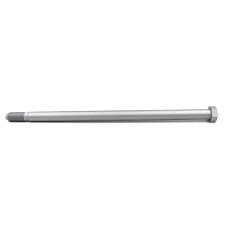
Kohlenstoffstahl hinterer unterer Querlenker äußerer langer Bolzen OE NA01-34-112
Weitere DetailsSpurstangen-Endstück-Befestigungsteile
Spurstangen-Endstück-Befestigungsteile verbinden die Stabilisatorstange mit dem Fahrwerk. Diese Teile helfen, die Karosserieneigung bei Kurvenfahrten zu reduzieren.
Die Schrauben und Muttern sind kleiner als viele Querlenker-Schrauben, aber sie sind trotzdem wichtig. Lose oder verschlissene Endstück-Befestigungsteile können beim Überfahren von Unebenheiten Klappergeräusche verursachen.
Prüfen Sie auch das Gummi- oder Kugelgelenkteil des Endstücks. Neue Muttern beheben keinen verschlissenen Link.
Stoßdämpfer-Schrauben
Stoßdämpfer-Schrauben befestigen den Stoßdämpfer am Rahmen, an der Achse, am Querlenker oder an der Fahrwerkaufnahme. Sie erfahren bei jeder Bodenwelle eine Bewegung.
Diese Schrauben sollten die richtige Länge und Festigkeit haben. Eine zu kurze Schraube hält möglicherweise nicht genug Gewinde. Eine zu lange Schraube kann am Ende anstoßen oder Teile in der Nähe berühren.
Aftermarket vs. OEM Fahrwerk-Befestigungsteile
Aftermarket-Fahrwerk-Befestigungsteile können sicher sein, wenn sie die eigentliche Aufgabe erfüllen. Entscheidend ist nicht, ob das Teil Aftermarket oder OEM ist. Entscheidend sind Passform, Festigkeit und korrekte Installation.
Eine sichere Ersatzschraube sollte die richtige Größe, Güteklasse, Gewindesteigung, Beschichtung und Länge haben. Sie sollte auch zum Sitz oder zur Unterlegscheibe passen, die vom Fahrwerksteil verwendet wird.
Das Drehmoment ist ebenfalls Teil der Wahl. Die gleiche Schraubengröße kann an verschiedenen Stellen unterschiedliche Drehmomentwerte haben. Zum Beispiel:
| Fahrwerksteil | Drehmomentprüfung |
| Kugelgelenk-Befestigungsteile | Servicehandbuch und Verriegelungsmethode abgleichen |
| Federbein-Befestigungsschrauben | Drehmoment und Gewindezustand der Karosserieaufnahme prüfen |
| Querlenker-Schrauben | Bei Bedarf im richtigen Fahrzustand anziehen |
| Stabilisator-Verbindungen | Übermäßiges Anziehen von kleinen Gewindestiften oder Buchsen vermeiden |
| Stoßdämpfer-Schrauben | Schraubenlänge, Güteklasse und Aufnahme-Design abgleichen |
Die Zahlen sollten aus dem Servicehandbuch des Fahrzeugs stammen. Allgemein Drehmomentspezifikationen für Schrauben kann erklären, warum Schraubengröße, Güteklasse und Gelenklast das Drehmoment beeinflussen, aber die Fahrzeugwerte sollten trotzdem Vorrang haben.
Wie man Fahrwerk-Befestigungselemente inspiziert
Beginnen Sie mit den Gewinden. Eine gute Schraube sollte sich zuerst von Hand drehen lassen. Wenn sie sich rau, über Kreuz oder fest anfühlt, hören Sie auf, bevor Sie einen Schraubenschlüssel benutzen.
Betrachten Sie dann den Kopf. Wenn der Sechskant abrutscht, ist der Kopf bereits abgenutzt. Ein abgerundeter Kopf kann zukünftige Reparaturen erschweren.
Überprüfen Sie dann den Schaft. Tiefe Rostnarben, Verbiegungen, Risse oder ein gedehnter Eindruck sind Warnzeichen.
Für Fahrwerk-Arbeiten prüfen Sie diese Punkte vor der Wiederverwendung:
- Stellen Sie sicher, dass die Schraube von Hand beginnt.
- Achten Sie auf eingerissene oder abgeflachte Gewinde.
- Prüfen Sie, ob die Mutter noch richtig verriegelt.
- Fehlende Unterlegscheiben, Clips oder Stifte ersetzen.
- Verwenden Sie keine stark verrosteten Befestigungsteile wieder.
- Befolgen Sie das Handbuch, wenn die Schraube für den einmaligen Gebrauch bestimmt ist.
Der Zeitpunkt des Austauschs hängt vom Zustand ab. Einige Schrauben können wiederverwendet werden, wenn sie sauber und korrekt sind. Andere sollten bei jeder größeren Reparatur ausgetauscht werden, insbesondere wenn sie Torque-to-Yieldsind, mit einem Splint gesichert oder starkem Rost ausgesetzt sind.
In hängen Befestigungsanwendungen in Kraftfahrzeugen, Fahrwerks- und Fahrgestell-Befestigungselemente benötigen die richtige Größe, Güteklasse, Beschichtung und Belastungsanpassung, da sie unter ständiger Bewegung arbeiten.
Häufig gestellte Fragen
Kann ich alte Fahrwerk-Schrauben wiederverwenden?
Manchmal ja. Sie können alte Schrauben wiederverwenden, wenn sie sauber, gerade und noch gut passen. Ersetzen Sie sie, wenn sie rostig, gedehnt, abgerundet oder von Hand schwer einzudrehen sind.
Sind Aftermarket-Fahrwerksteile sicher?
Ersatzteile für Fahrwerk können sicher sein, wenn das Teil und die Befestigungsteile zum Fahrzeug passen. Prüfen Sie vor der Installation Passform, Schraubenqualität, Drehmoment und Material.
Wann sollten Kugelgelenk-Schrauben ersetzt werden?
Ersetzen Sie Kugelgelenk-Schrauben , wenn die Gewinde beschädigt sind, der Kopf abgenutzt ist, die Schraube rostig ist oder das Handbuch die Verwendung neuer Befestigungsteile vorschreibt. Ersetzen Sie auch Splinte, wenn sie verwendet werden.
Suchen
Kategorien
Schlagwörter
Produkt
- Ersatzteile Befestigungselemente
- Bremssattel Reparatursätze
- Sturzbolzen
- Zylinderkopfschraube
- Abschlepphaken
- LKW-Schraube & Mutter
- Radschraube
- Radmuttern
- Verschluss
- Bolzen
- Buchsenhülsen
- Auspuff Hangar Road
- Flache Schlüssel
- Helicoil-Einsatz
- Nüsse
- Stift
- Niet
- Schrauben
- Stanzteile
- Stehbolzen
- Waschmaschine
- Automobilindustrie
- Körperteile
- Bremssystem
- Fahrwerksteile
- Motorteile
- Getriebeteile


