How to Remove a Stripped Hex Screw: 8 Easy Methods (With Tools & Tips)
Removing a stripped hex screw can be challenging, but several effective methods can help.
Whether the hex screw head is rounded, worn, or stuck, using the right hex screw tool or technique can make the process easier.
This article introduces eight proven methods to safely remove a damaged hex screw, helping you avoid frustration and potential damage to surrounding materials.
Read on to learn more.
Common Causes of Stripped Hex Screws (And How to Prevent Them)
Preventing a stripped head requires understanding the mechanics of fastener failure. The most prevalent issue is using incorrect hex size drivers, such as forcing an SAE Allen key into a Metric socket. This mismatch reduces the contact surface area, leading to immediate slippage and rounding.
Material quality also plays a decisive role. Low-quality hex screws often lack sufficient tensile strength, causing the metal to deform under standard installation pressure. Furthermore, external factors like over-torque / corrosion can be catastrophic; excessive tightening yields the metal, while rust seizes the threads.
To mitigate this, engineers recommend prioritizing correct tooling and advanced fastener coatings to resist environmental degradation.
8 Methods to Remove a Stripped Hex Screw
1. Use a Rubber Band for Extra Grip
A quick fix for a slightly stripped hex screw is placing a rubber band between the hex head screw and the hex screwdriver.
The rubber provides extra grip, reducing slippage when turning the screw.
This method works best for minor stripping issues where some traction remains.
2. Apply a Manual Impact Driver
A manual impact driver delivers sudden force, helping to break the screw loose.
Insert the correct hex screw tool, such as an Allen hex screw wrench or bit, into the stripped hex screw head and strike the driver’s handle with a hammer.
The impact can loosen the screw and allow for easier removal.
3. Use Pliers for External Grip
If the hex lag screw is slightly protruding, locking pliers (such as Vise-Grips) can be clamped around the head for extra leverage.
This method works well when the hex screw head is too damaged for a standard hex screwdriver but still accessible with an external grip.
4. Try a Different Hex Bit or Tool
Using a slightly larger hex screw tool can provide a tighter fit and help remove the unscrewed stripped hex screw.
A Torx bit or a flat-head screwdriver wedged into the stripped recess may provide the necessary grip to turn the screw.
5. Apply Heat to Expand the Metal
Heating the hex screw head with a soldering iron or propane torch can cause the metal to expand slightly, breaking any rust or corrosion that may be holding the screw in place.
Once heated, let it cool slightly and try removing it with a hex screwdriver.
6. Use a Screw Extractor
A screw extractor is designed specifically to remove stripped hex screws.
Drill a small hole into the center of the screw, insert the extractor, and turn counterclockwise.
The extractor’s reverse-threaded design grips the screw, allowing for easy removal.
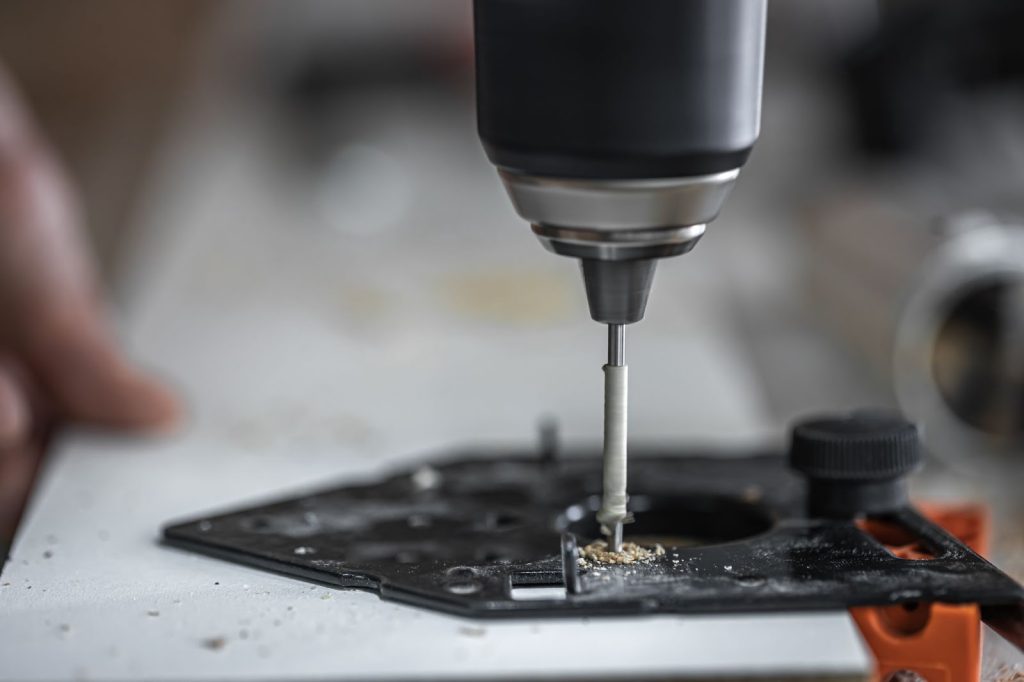
7. Drill Out the Hex Screw
For screws that cannot be removed by other means, drilling is the last resort.
Use a drill bit slightly smaller than the hex screw head and carefully drill into it.
This method should only be used if you plan to replace the screw, as it will likely damage the existing hole.
8. Use a Rotary Tool to Cut a New Slot
A rotary tool (such as a Dremel) with a cutting disc can be used to create a new flat-head slot in the stripped screw.
Once cut, a flat-head screwdriver can be used to remove the screw.
This method is effective but should be used with caution to avoid damaging surrounding materials.
When Should You Replace a Stripped Hex Screw Instead of Removing It?
Never reuse a fastener if threads are compromised or severe corrosion exists, especially in critical automotive fasteners or structural machinery. Re-installing damaged parts risks fatigue failure and safety hazards. Instead, immediately upgrade to new, high-tensile alternatives to guarantee structural integrity.
For MRO teams, efficiency lies in preparation. Avoid reactive sourcing by maintaining a batch inventory of standardized screws with unified grades and fastener coatings. This proactive approach ensures consistent quality and significantly minimizes equipment downtime during maintenance.
Looking for reliable replacement hex screws or bolts for your machines or projects?
Need a Permanent Fix? Upgrade Your Fasteners.
Stop settling for low-quality screws that strip easily. Explore our range of high-tensile, corrosion-resistant hex bolts designed for critical industrial applications.
View Hex Screw Product Range →Hex Screws and Fasteners Supply from CNRL
Preventing fastener failure begins with the right manufacturer. CNRL specializes in premium hex head screws and socket head cap screws. Our precision parts are tailored for automotive solutions, heavy machinery, and construction projects.
As a dedicated custom fastener manufacturer, we support global OEMs and distributors. We provide a wide range of material grades, including 8.8, 10.9, and 12.9. We also offer stainless steel series with advanced surface treatments. These features ensure exceptional longevity in harsh environments.
Why Trust CNRL:
- Service: Flexible MOQ support with competitive lead times for custom orders.
- Manufacturing Expertise: Over 20 years of experience in cold heading and precision machining.
- Key Industries: Serving Automotive, Railway, Mining, and General Industrial sectors.
- Quality Assurance: Strictly adhering to IATF 16949 / ISO 9001 standards.
Ready to reduce stripped screw problems with better fasteners?
Search
Categories
Tags
Product
- Aftermarket Fasteners
- Brake Caliper Rep Kits
- Camber Bolt
- Cylinder Bolt
- Tow Hook
- Truck Bolt & Nut
- Wheel Bolt
- Wheel Nuts
- Fastener
- Bolt
- Bushing Sleeves
- Exhaust Hanger Road
- Flat Keys
- Helicoil Insert
- Nuts
- Pin
- Rivet
- Screws
- Stamping Parts
- stud
- Washer
- Automotive
- Body Parts
- Brake System
- Chassis Parts
- Engine Parts
- Transmission Parts


