Stud Bolt vs Threaded Rod: Understanding the Key Differences for Engineering
A stud bolt and a threaded rod serve different jobs. A stud bolt holds parts that face a strong force. A threaded rod helps in tasks that need length change. Both parts look simple, but work in different ways. Each fastener supports systems that need a steady load. Choosing the right one keeps projects safe and cost-effective. This helps teams understand the main points in a stud bolt vs threaded rod comparison.
Knowing these parts helps teams plan better systems. It also guides buyers when choosing fasteners for work. The right choice protects each joint and lowers cost. Good planning prevents waste and supports clear decisions.
What Is a Stud Bolt?
A stud bolt is a metal rod with threaded ends. It works with two nuts to hold parts together. This design creates a firm grip between connected pieces. You often see it used in flanges and pressure systems. It also supports many joints found in engine assemblies. Each use depends on a strong force and steady alignment.
Key takeaways:
- A stud bolt is a straight rod with threads on both ends.
- It works with two nuts to create a strong clamping force.
- It is used where vibration resistance or high loads are expected.
Engineers choose this fastener when precise torque, repeat tightening, or high-pressure sealing is required. For procurement teams handling chassis systems, stud bolts are preferred in areas where a stable preload is critical.
What Is a Threaded Rod?
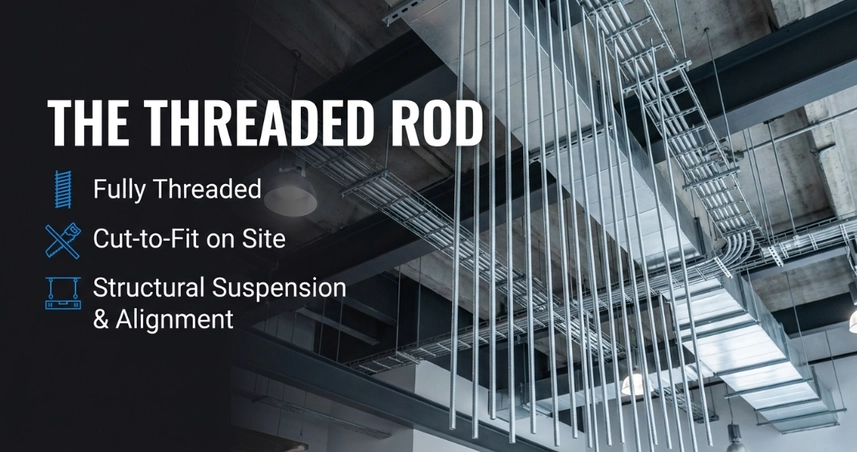
A threaded rod is a long rod fully threaded from end to end. It is often cut to size for structural, suspension, or alignment applications.
Key takeaways:
- A threaded rod has threads along its full length.
- It works as a versatile fastening bar that can be cut to fit.
- It supports light to moderate loads across many structures.
Threaded rods are common in construction, HVAC, equipment frames, and automotive subassemblies, where adjustable length is an advantage. Procurement managers value them for their flexibility and lower cost.
Structural Performance: Load-Bearing Differences
The biggest difference between stud bolts and threaded rods comes from their mechanical behavior under load.
Stud Bolts in Load-Critical Systems
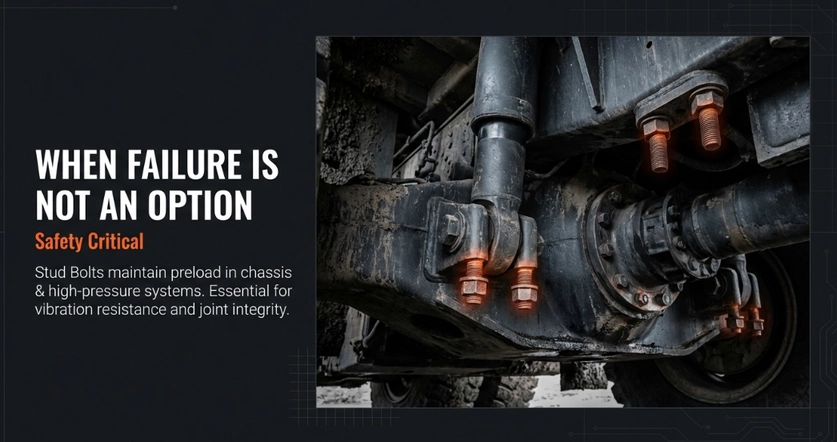
Stud bolts offer superior clamping force because torque is applied only to the nut, not the entire fastener body. This reduces torsional stress and makes them suitable for:
- Flange assemblies
- High-temperature environments
- Vibration zones
- Pressure-sealed joints
In chassis systems, they protect joint integrity by maintaining preload more effectively. This is vital in suspensions, frames, and drivetrain connections where failure is not acceptable.
Threaded Rods in Non-Critical Applications
Threaded rods carry tensile load across their entire length. Since they lack shank sections, they are not designed for heavy shear conditions. They are ideal when:
- Length adjustments are required
- The load is moderate
- Installation space is flexible
Procurement teams often choose them to reduce costs in areas where extreme performance is not needed.
Dimensional Selection: How to Measure a Stud Bolt
Choosing the right size ensures a correct fit and load capacity. Engineers measure stud bolts by:
- Overall length: end-to-end measurement
- Thread length: total threaded area
- Diameter: major thread diameter
- Grade: mechanical strength rating
These dimensions define whether the stud can withstand the tightening torque required by chassis or engine systems.
Working With Threaded Rods: How to Cut a Threaded Rod
Cutting a threaded rod is simple, but it should maintain thread integrity. The basic steps include:
- Mark the desired length.
- Clamp the rod firmly.
- Use a hacksaw or cutoff wheel.
- File the cut edge to restore the thread entry.
This allows technicians to adapt the rod to specific assembly lengths without machining.
Design Purpose: Where Each Fastener Performs Best
Stud Bolts
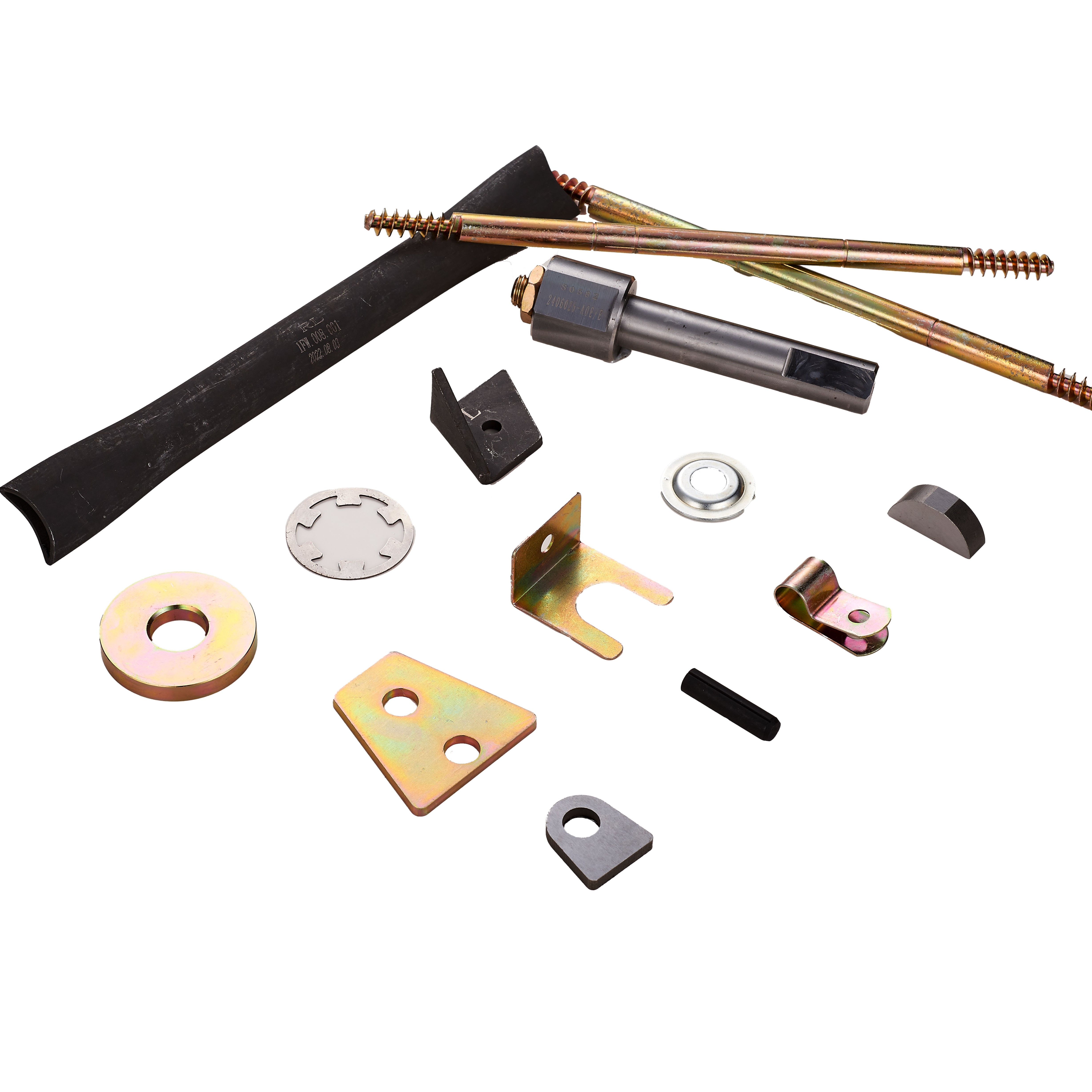
Used in applications requiring a strong preload and resistance to vibration. Typical installations include:
- Engine mounting points
- Exhaust connections
- Heavy flanges
- Structural joints in heavy vehicles
Their double-nut configuration creates predictable clamping, making them reliable in repeated maintenance cycles.
Threaded Rods
Used as support bars or alignment members in:
- Electrical and mechanical installations
- Frames and bracing
- Light machinery
- Automotive repair tasks
Their simple design keeps inventory costs lower, which benefits high-volume procurement.
Procurement Perspective: Selecting the Cost-Effective Option
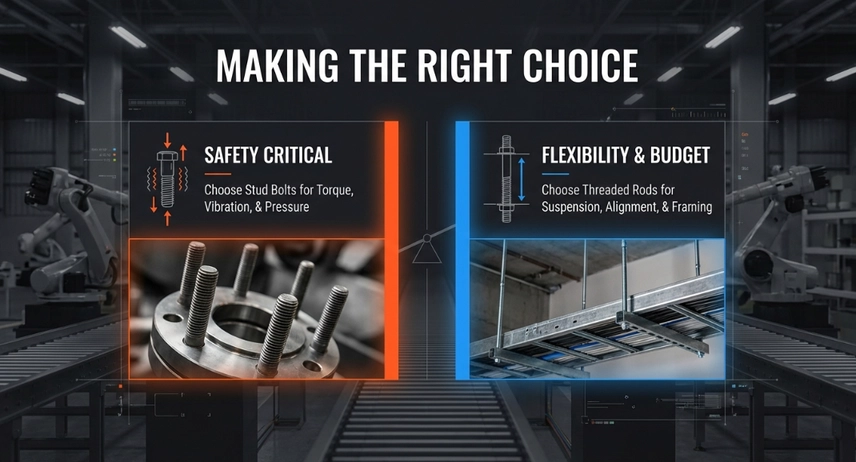
Procurement managers evaluating chassis systems must balance performance with cost. Here’s a quick guide:
- Choose stud bolts when joint stability affects safety, such as torque-critical mounting points.
- Choose threaded rods when length flexibility or budget reduction is more important than high clamping load.
This helps teams manage supply and quality. It also explains the value seen in a stud bolt vs threaded rod review.
CNRL engineers understand these trade-offs and support OEMs and Tier 1/Tier 2 suppliers with technical guidance, material advice, and dimensional customization. Their product range spans multiple grades, surface treatments, and testing standards, as shown across their manufacturing and inspection facilities.
Conclusion
Understanding the differences between these two fasteners helps engineers and procurement teams build safer and more cost-effective systems. Stud bolts support high-load chassis connections, while threaded rods improve flexibility and reduce cost where performance demands are lighter. If you need engineered fasteners built for OEM standards, CNRL Fasteners offers a complete collection designed for automotive, industrial, and heavy-vehicle applications. Explore customized solutions that match your specifications and strengthen your supply chain.
FAQ Section
1. What is a threaded stud bolt?
It is a fastener with threads on both ends used with two nuts for clamping high-load joints.
2. How do I measure a stud bolt?
Measure the overall length, thread length, and major diameter to match torque requirements.
3. What is a threaded rod bolt used for?
It supports general structural connections, alignment tasks, and assemblies needing adjustable length.


