Copper vs Aluminum Crush Washers: Can I Use a Copper Crush Washer Instead of an Aluminum?
When comparing copper vs aluminum crush washers, the short answer is yes, copper washers can often be used in place of aluminum—but whether you should depends heavily on the application, the operating temperatures, and the sealing pressure involved.
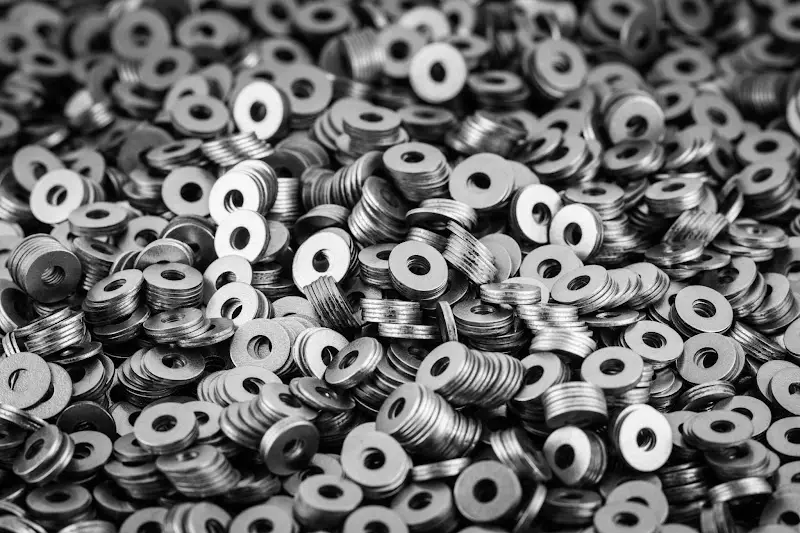
Both materials have advantages, and choosing the right washer is critical for ensuring leak-free performance in systems like braking, hydraulics, and automotive fuel lines.
The difference between copper and aluminum washers lies in their material properties, and understanding these differences helps prevent costly failures.
At CNRL, we specialize in producing high-quality crush washers that meet IATF-certified standards, helping OEMs and aftermarket clients get the exact sealing performance they need.
Copper vs Aluminum Crush Washers: Quick Comparison
| Feature | Copper Crush Washers | Aluminum Crush Washers |
| Material Strength | Stronger, resists deformation under high pressure | Softer, easier to compress and seal |
| Sealing Ability | Excellent for high-pressure, high-heat applications | Good sealing, but may deform faster |
| Heat Resistance | Superior heat tolerance, ideal for brakes and engines | Lower heat resistance, suitable for moderate temps |
| Corrosion Resistance | More resistant to corrosion, longer lifespan | Prone to oxidation and galvanic corrosion |
| Cost | Slightly more expensive | Generally cheaper |
| Best Use Cases | Brake systems, fuel lines, heavy-duty engines | General sealing, lighter automotive or industrial use |
Need a specific size or a mixed kit for your workshop or distribution business?
Need the Exact Specs?
Stop guessing the right dimensions. Get our complete catalog of standard (DIN/JIS) and custom crush washer sizes for your project.
What is the Difference Between Copper and Aluminum Washers?
At their core, both copper and aluminum washers serve the same purpose: they are soft-metal gaskets designed to deform under pressure, creating a tight seal.
But their material behavior differs significantly:
Copper Crush Washers
Copper is softer and more malleable than aluminum, which allows it to conform better to sealing surfaces.
This results in excellent sealing performance, especially in high-pressure systems such as brake hoses or fuel lines.
Copper also withstands higher temperatures without losing its integrity, making it reliable for long-term applications where heat cycles are frequent.
Aluminum Crush Washers
Aluminum washers are lighter and often more cost-effective.
While slightly less malleable than copper, aluminum washers can still provide reliable seals in applications that don’t push the material to its thermal or pressure limits.
Aluminum also resists galvanic corrosion better in some environments, particularly when used with aluminum components.
The main difference between aluminum vs copper crush washers is that copper offers superior sealing at high pressure and temperature, while aluminum is better suited for lightweight or cost-sensitive applications.
Common Applications for Copper vs Aluminum Crush Washers
Choosing the right material depends on the specific assembly. Below are common scenarios and recommendations for optimal sealing.
Oil Drain Plugs (Engine & Transmission)
Recommendation: Aluminum (for aluminum pans) / Copper (for steel pans).
Modern engines often use aluminum oil pans. Here, aluminum washers are best. They match the thermal expansion rate of the pan. This also prevents galvanic corrosion. For older steel pans, copper is an excellent choice.
- Common Sizes: M12, M14, M20.
Brake Hose and Caliper Connections
Recommendation: Copper.
Braking systems generate high heat and pressure. Safety is critical. Copper is denser and withstands these extremes better than aluminum. It is the standard for banjo bolts on calipers. Copper ensures a leak-free seal under heavy braking loads.
- Common Sizes: M10, M10x1.0 (Fine Thread).
Power Steering, Fuel, and Hydraulic Lines
Recommendation: Copper (Preferred) / Aluminum (Low Pressure).
Fuel lines require a perfect seal to prevent hazardous leaks. Copper is more malleable. It conforms tightly to irregular surfaces on automotive washer fastener assemblies. For lower-pressure return lines, aluminum is a cost-effective alternative.
- Common Sizes: M8, M10, M12, M14.
Industrial Machinery and Pumps
Recommendation: Copper.
Heavy machinery faces constant vibration and pressure spikes. Copper resists work-hardening better in these dynamic environments. It provides long-term reliability for hydraulic pumps. For specific mining or drilling equipment, consult our oil and gas fasteners guide.
- Common Sizes: M16 up to M30.
Which is Better, a Crush Washer or a Copper Washer?
This is where confusion sometimes arises. Technically, both copper and aluminum versions are crush washers—the term simply refers to the sealing action.
When someone asks, “Which is better, a crush washer or a copper washer?” they’re really asking whether copper is superior to aluminum.
The answer depends on your operating environment:
- In brake hose crush washers (aluminum vs copper) applications, copper is usually the preferred choice because brakes generate intense heat and require the most reliable seal possible.
- In lighter-duty fuel or coolant lines, aluminum washers may perform just as well, with the added benefit of reduced weight and cost.
CNRL provides both materials, ensuring clients can choose based on specific engineering requirements rather than guesswork.
When to Use Copper Washers?
Copper washers should be used when:
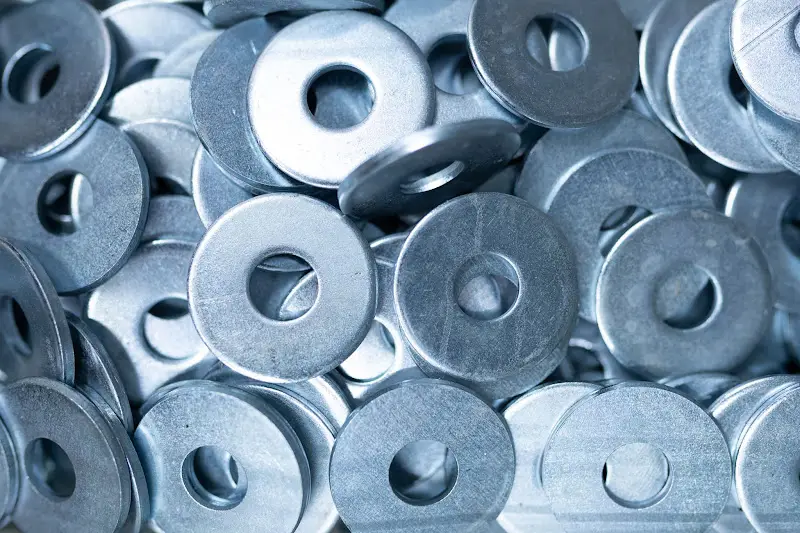
- The system operates at high temperatures, such as braking systems or turbocharger oil lines.
- The sealing surfaces are uneven or slightly imperfect, as copper deforms more easily and creates a tighter seal.
- The application requires long-term durability under repeated thermal cycling.
For instance, in the automotive aftermarket, copper washers are often recommended when replacing brake hose fittings.
Their resilience against both pressure and heat ensures a safer, leak-free connection.
Technical Considerations: Pressure, Heat, and Compatibility
When deciding between copper vs aluminum crush washers, three factors should guide the choice:
- Pressure Resistance
Copper generally seals better under high loads. If the system pressure exceeds 2,000 psi, copper is more reliable. - Thermal Stability
Copper can withstand temperatures above 300°C, while aluminum may soften or degrade in extreme heat. - Material Compatibility
Aluminum washers pair well with aluminum housings to prevent galvanic corrosion. Copper is often used in steel or brass assemblies.
At CNRL, we help clients match washers to their exact conditions, ensuring proper fit, reduced risk of leaks, and compliance with IATF standards.
Work with CNRL for Copper and Aluminum Crush Washers

Partner with CNRL for reliable sealing solutions. We go beyond off-the-shelf parts. We provide engineered value for your supply chain.
Markets: We proudly serve automotive OEMs, aftermarket brands, and industrial maintenance distributors worldwide.
Material Options: Choose from pure copper, aluminum, and other soft-metal sealing washers. These are optimized for automotive solution and industrial applications.
Certifications: Our production is IATF-compliant. We guarantee stable quality and complete material traceability for every batch.
Services: We support OEM branding and bulk packaging. As a custom fastener manufacturer, we produce washers to your exact dimensions and hardness specs.
Ready to source copper and aluminum crush washers from a trusted manufacturer?
Frequently Asked Questions (FAQ)
Can I reuse a copper crush washer?
No. Reusing a rear differential crush washer causes leaks. Whether for an oil drain plug or brake line, always replace old seals.
Can I use a copper crush washer on an aluminum oil pan?
Yes, but risky. Automotive crush washers for Japanese cars prefer aluminum to prevent galvanic corrosion on the soft pan threads.
What size crush washer do I need for an M12 drain plug?
Match the ID to the bolt. Check M10 / M12 / M14 crush washer sizes in your manual to ensure a flush, leak-free fit.


