The Ultimate Guide: What Is a Countersunk Screw and Its Industrial Applications?
A countersunk screw is a fastener designed to sit flush with the surface after installation. This guide explains how it works, why engineers use it, and where it fits in industrial and automotive assemblies. You’ll learn the basics of countersinking, head styles, material choices, and how these fasteners support modern product design — including how CNRL’s engineering teams apply them across interior and seat structures in the automotive industry.
What Is a Countersunk Screw?
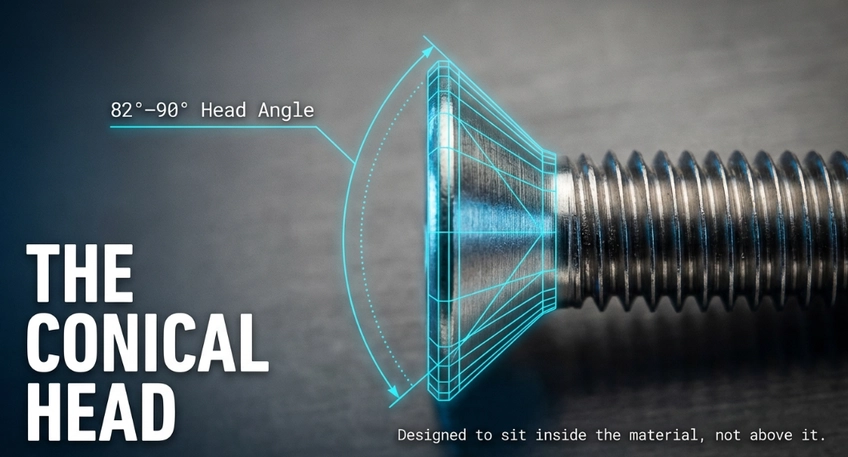
A countersunk fastener has a conical head that fits into a matching cone-shaped recess. When installed, the top of the head aligns with the material surface.
Key Takeaways
- It creates a smooth surface with no protruding head.
- It improves product safety, appearance, and aerodynamics.
- It supports precise alignment in industrial assemblies.
What Is Countersinking?
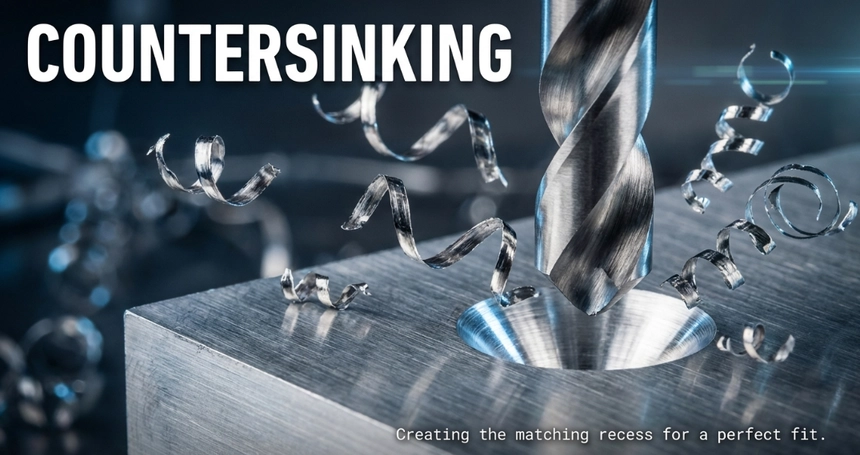
Countersinking creates a cone-shaped recess that matches the screw’s head angle. This allows the fastener to “disappear” into the material.
Engineers use this technique when working with metal, wood, or plastic to remove head protrusion and distribute stress more evenly across the joint.
Countersunk vs Other Screw Heads
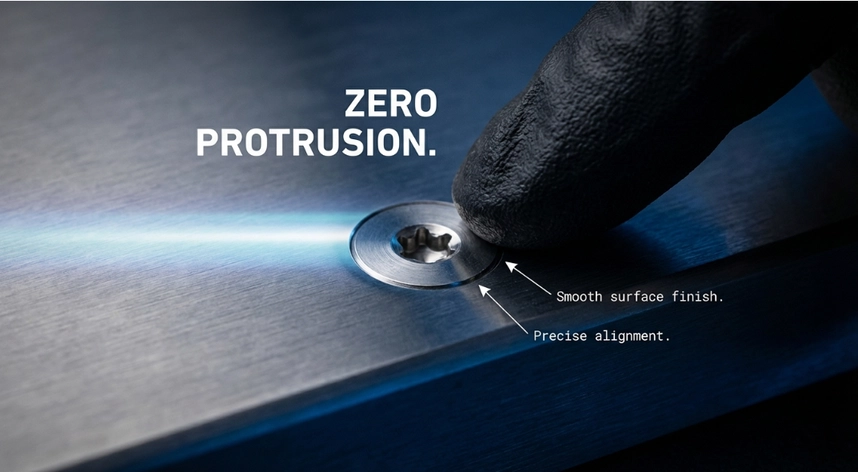
A counter sunk screw head differs from round, pan, or hex heads because it is meant to sit inside the material rather than above it. Flat countersunk head screw designs offer better surface uniformity, reduced snagging risks, and improved geometric tolerance in tight assemblies.
Flat Countersunk Head Screw Overview
The flat head version is the most common style. It features:
- An 82°–90° head angle, depending on regional standards
- A sharp or blunt tip, depending on the application
- Compatibility with both manual and automated installation systems
This design is used when engineers want smooth surfaces for safety, appearance, or clearance requirements.
Why Engineers Use Countersinking Screws
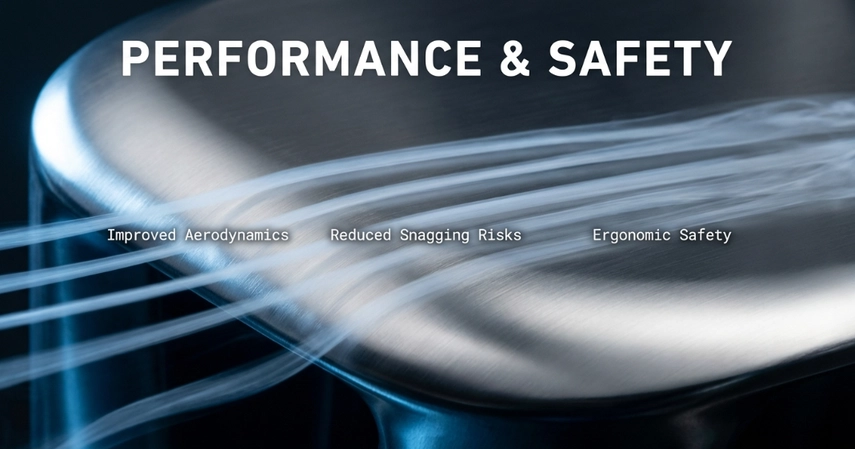
Countersinking screws offer distinct mechanical and functional advantages:
- They prevent interference in moving assemblies.
- They improve ergonomics by removing sharp edges.
- They enhance stability because the head seats firmly within the cone.
- They allow for compact assembly layouts where space is limited.
These benefits matter in industries where precision and appearance affect both performance and user experience.
Industrial Applications
Countersunk fasteners appear in multiple sectors because they support clean surfaces and tight tolerances. Common fields include:
- Machinery covers and guards
- Aerospace and defense panels
- Electronics housings
- Furniture and cabinet systems
- Structural framing where flush edges reduce catch points
In all cases, flush installation plays a major role in safety and long-term durability.
Automotive Interior & Seat Applications
CNRL’s 30 years of experience in automotive fastener R&D show how important flush fasteners are inside vehicles. They support smooth surfaces and prevent interference with moving parts.
Where They Are Used
- Seat track systems
- Interior trim panels
- Airbag mounting areas
- Console and dashboard assemblies
CNRL follows strict IATF 16949 quality systems, ensuring every screw meets the mechanical and dimensional standards needed for global OEM programs. Their engineering teams focus on assembly compatibility, consistent hardness, and coating performance—critical factors in automotive interiors and seating structures.
Material Strength and Surface Treatments
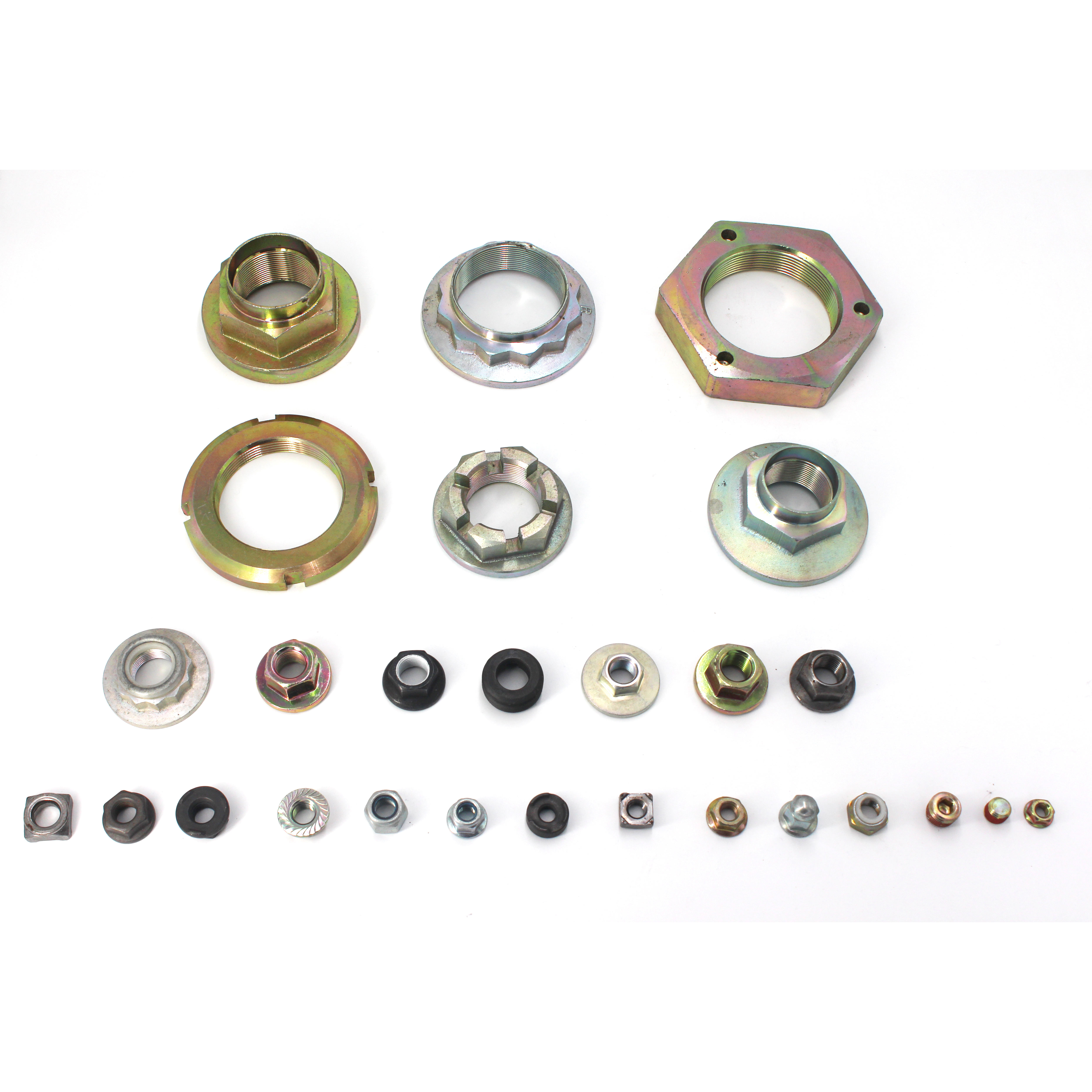
Applications involving vibration, stress, or environmental exposure require fasteners with defined strength classes and protective coatings.
Common materials include:
- alloy steel for high-load parts,
- stainless steel for corrosion-sensitive environments,
- aluminum or titanium for lightweight structures.
CNRL’s advanced surface treatment options (blue-white zinc, trivalent chromium, dacromet, and more) extend part life and maintain structural integrity in demanding automotive environments, including coastal and high-humidity regions
How to Countersink a Screw
Here’s a simple way to create a clean countersink:
- Drill a pilot hole based on the screw diameter.
- Use a countersink bit matched to the head angle.
- Rotate slowly to avoid chatter and uneven recesses.
- Test-fit the fastener and adjust depth if needed.
This method works for wood, metals, and engineered plastics, but metal surfaces may require slower speeds and cutting oil.
Specification Checklist for Engineers
When selecting this fastener type, consider:
- head angle and required recess depth,
- material hardness and expected load,
- seat finish and desired corrosion resistance,
- installation method and torque limits,
- compatibility with assembly automation.
This ensures proper seating, strength retention, and long-term performance.
CNRL’s testing capabilities—metallographic inspection, tensile testing, hardness checks, friction coefficient evaluation, and salt spray testing—ensure that fasteners meet the needs of complex assemblies.
Conclusion
Countersunk fasteners support clean design, strong seating, and better assembly alignment in many industries. CNRL Fasteners applies decades of expertise, advanced testing equipment, and global automotive certifications to deliver components that integrate smoothly into complex assemblies.
ExploreCNRL’s full collection of fastening solutions to support your next project.
Frequently Asked Questions
What is countersinking?
It is a machining process that forms a conical recess so the fastener sits flush with the surface.
Why choose a countersunk head screw?
It allows smooth surfaces, safe edges, and strong seating without visible protrusions.
How to countersink a screw cleanly?
Use a matching countersink bit, drill slowly, and test-fit for depth.
Where are these fasteners used in cars?
They appear in interior trims, seating frames, brackets, and lightweight structural modules.


