What is an OEM fastener?
In most BOMs, fasteners look like a small line item. But if one fails in the field, it can stop a production line, damage equipment, or trigger a recall. That’s why, when you’re sourcing OEM fasteners, you’re not just buying “bolts”; you’re making decisions that affect safety, uptime, and brand reputation.
This guide answers a simple question about OEM-specific hardware: what it is, how it differs from standard catalog fasteners, and what to look for when specifying fasteners for OEMs in automotive, farm equipment, and industrial machinery. It also connects this core fastening entity with related ideas such as automotive fasteners, custom fasteners, and ISO/TS16949-certified manufacturers, and shows how global suppliers like CNRL support OEM programs.
What does OEM mean?
OEM stands for “original equipment manufacturer”, a company that designs and builds components used in another company’s finished product, such as automotive parts, hydraulic assemblies, or specialized fasteners.
What is an OEM fastener?
This kind of component is a bolt, screw, stud, nut, or similar piece of hardware that is designed and manufactured specifically for an OEM product, assembly, or platform.
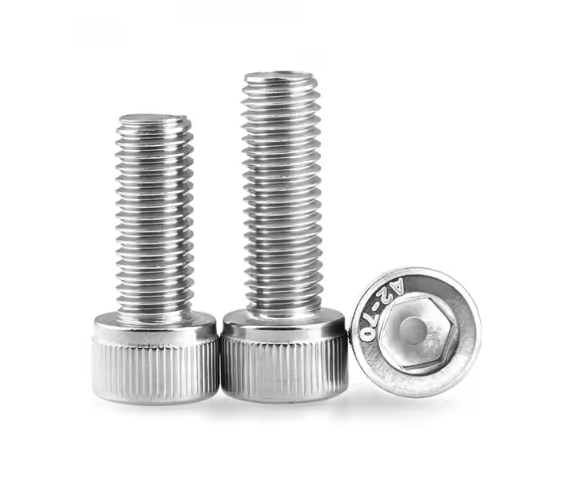
Instead of pulling a generic part from a catalog, engineers work with a fastener specialist to define:
- Head style, drive type, and length
- Thread form and fit
- Material grade and heat treatment
- Coatings and platings
- Inspection, testing, and documentation requirements
In other words, these engineered fasteners are part of the product’s design, not an afterthought. They’re chosen to deliver the right clamp force, fatigue resistance, corrosion protection, and serviceability over the full life of the equipment. For many projects, that also means developing Custom OEM fasteners that are unique to a platform or high-risk joint.
Engineered fasteners vs. ordinary hardware
At first glance, an OEM bolt and a standard off-the-shelf bolt might look almost identical. Under the surface, there are important differences.
Key differences at a glance
You can think of the gap between standard hardware and engineered fasteners in four main areas:
| Aspect | Ordinary hardware (catalog) | Engineered fastener (OEM) |
| Design intent | Built for general-purpose use across many applications. | Tailored for a specific joint, assembly method, and loading condition. |
| Tolerances & fit | Uses generic tolerances for diameter, thread fit, and length. | Tighter control over dimensions to manage preload, alignment, and joint stiffness. |
| Materials & coatings | Limited steel grades and basic coatings. | Tuned materials and coatings to match strength, fatigue life, and corrosion requirements. |
| Validation & testing | Tested only to generic standards. | Tested within the complete product, including vibration, fatigue, and environmental tests. |
Where are OEM fasteners used?
OEM fasteners appear in almost every industry where assemblies must perform reliably over thousands of hours.
Automotive and commercial vehicles
Automotive fasteners hold together engines, drivetrains, suspensions, and vehicle bodies. These joints see:
- Constant vibration and dynamic loads
- Extreme temperature swings
- Exposure to salt, moisture, and chemicals
In this environment, OEM fastening systems are engineered to maintain clamp force and alignment while still supporting efficient assembly on the production line and safe service procedures in the workshop.
Farm equipment and off-highway machinery
In agriculture and off-highway applications, machines operate in mud, dust, and corrosive fertilizers. OEM fasteners for farm equipment must handle shock loads and continuous vibration, yet remain serviceable in the field with basic tools.
A loose or broken guard screw might be a minor inconvenience; a failed structural fastener on a tractor or harvester during peak season can cause serious downtime and lost revenue.
Industrial machinery and assemblies
In HVAC systems, construction machinery, power generation, and rail, OEM fastening systems help to:
- Control noise and vibration
- Maintain precise alignments
- Meet safety codes across multiple regions
Here, reliable fasteners for OEMs support both performance in service and efficiency during assembly, especially when the same product platform is built in multiple plants worldwide.
Design and quality requirements for OEM fastening systems
Because each fastener is part of a larger system, OEM programs usually demand more than simply “meeting spec.”
Engineering and customization
Many projects require specialized parts that go beyond catalog options. Engineers may optimize:
- Head geometry and drive type for automated tools
- Thread design for improved fatigue performance
- Coatings that balance corrosion resistance and target friction values
- Joint layouts to reduce part count or assembly steps
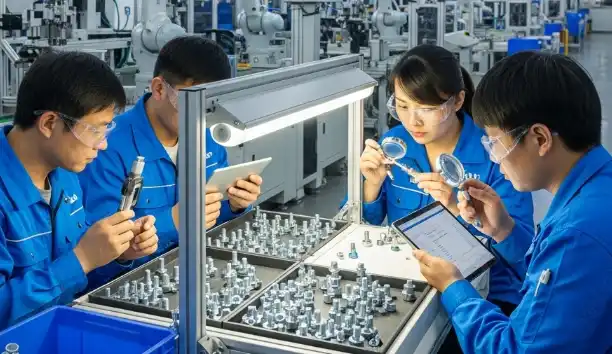
This work often includes joint analysis, prototypes, torque-tension testing, and field validation before a part is approved for production.
Standards, certification, and traceability
In automotive and other safety-critical markets, OEMs expect fastener suppliers to operate under robust quality systems such as ISO/TS16949, on top of ISO 9001. These certifications support:
- Stable, repeatable manufacturing processes
- Documented control plans and FMEAs
- Full traceability from raw material to finished part
- Continuous improvement across the supply chain
Global OEM suppliers like CNRL combine these systems with large-scale manufacturing, in-house testing labs, and engineering support. They provide OEM fasteners into automotive, off-highway, energy, and industrial programs worldwide, giving OEMs confidence that each production run will perform consistently.
When should you specify OEM fasteners?
Not every joint needs a bespoke solution. In many assemblies, standard catalog hardware does the job. But there are clear cases where OEM fasteners are the better option:
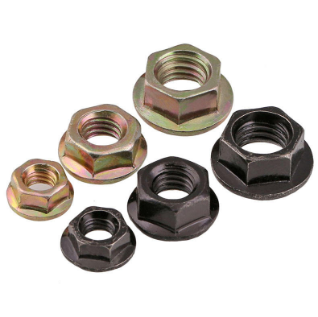
- Safety-critical joints where failure could cause injury, environmental damage, or major equipment loss
- High-volume production where small improvements in cycle time or defect rates quickly pay back the engineering investment
- Demanding environments with heavy vibration, impact, temperature extremes, or aggressive media
- Brand-critical components where noise, vibration, or appearance directly affect perceived quality
In these situations, treating fasteners as designed components and partnering with experienced OEM suppliers like CNRL helps protect your product and your reputation.
Conclusion
Fasteners may be among the smallest items on your parts list, but their impact is anything but small. Once you understand how OEM-specific hardware differs from ordinary fasteners, it’s clear why OEM engineering teams treat these parts as critical components.
By working with certified, experienced suppliers, including global specialists like CNRL, you can build fastening strategies that support safer, more reliable products. Over time, that means fewer failures in the field, smoother production, and stronger confidence from your customers.
If you’re reviewing your current fastener specifications or planning a new OEM platform, reach out to CNRL Fasteners for guidance on selecting the right OEM fasteners for your application. Treat these components as engineered parts, and each bolted joint becomes an asset, not a risk.
Key Takeaways
- High-spec fasteners are engineered components. They’re designed, tested, and documented as part of the overall product, not just chosen from a catalog.
- Quality systems and certifications matter. Working with ISO/TS16949-certified manufacturers and experienced OEM suppliers helps ensure consistent, traceable performance.
- Choosing the right fasteners early pays off. Integrating the right fastening strategy from the design stage reduces warranty risk, simplifies assembly, and improves lifecycle cost.
FAQs
Q1: What does OEM mean?
A1: It stands for “original equipment manufacturer,” a company that designs and produces components or subsystems used in other brands’ finished products, such as automotive parts, hydraulic assemblies, and specialized fasteners.
Q2: What are examples of OEM products?
A2: Examples include engine and drivetrain components for vehicle makers, hydraulic cylinders and fasteners in excavators and tractors, electronics modules in HVAC systems, and tailored fastening solutions that are engineered specifically for a wind turbine, rail system, or industrial machine.
Q3: Are OEM fasteners better than standard hardware?
A3: These parts aren’t always “better” in every situation, but they are better matched to specific applications. They’re engineered for a known joint, loading condition, and environment, and validated within the finished product, which makes them the safer choice for safety-critical, high-load, or high-volume joints.
Q4: Can I replace OEM hardware with off-the-shelf parts?
A4: In non-critical applications, a carefully selected standard fastener might work. In safety-critical, highly loaded, or certified joints, switching to generic hardware without engineering review can lead to fatigue failures, loss of clamp force, or non-compliance. Always consult your engineering team or fastener supplier first.
Q5: How do I choose a supplier for OEM fasteners?
A5: When evaluating suppliers, look for proven OEM experience, certifications such as ISO/TS16949 and ISO 9001, strong engineering and testing capabilities, comprehensive traceability, and the ability to support your volume and delivery needs. A supplier that meets these criteria can help you design, validate, and supply OEM fasteners that perform consistently over the full life of your product.
Reach Out For Your OEM Fastener Need


