Non-Standard Fasteners: Functions and Solutions
Non-standard fasteners solve engineering problems that standard off-the-shelf parts cannot address. These custom parts provide the exact fit needed for the automotive and energy sectors.
Most projects rely on universal standards for efficiency. However, specialized machines often require unique dimensions or specific chemical properties.
Why These Types of Fasteners Exist
Standard fasteners often fail to meet strict structural or performance requirements. They may be too bulky or weak for modern, compact industrial designs.
Custom components offer tailored geometries to ensure safety in tight spaces. These solutions are vital for the electronics and heavy equipment industries.
What are Non-Standard Fasteners?
These parts are engineered with non-universal specifications for specialized roles. They use custom materials and head types that exceed typical ISO or ANSI rules.
Custom hardware manages structural load transfer and ensures perfect alignment. These designs also provide vital corrosion resistance in harsh operating conditions.
Types & Usage
High-stakes industries require unique hardware for safety and durability. Each sector has specific demands for weight and precision.
| Industry | Primary Requirement | Example Application |
| Automotive | Controlled Torque | Safety-critical seatbelt mounts |
| Industrial | Acid Resistance | Chemical processing plant bolts |
| Aerospace | Tight Tolerances | Aircraft engine joints |
| Electronics | Micro Dimensions | Precision smartphone hardware |
| Energy | High Fatigue Life | Wind turbine anchors |
Material, Design, and Manufacturing Requirements
Material selection is the first step in the customization process. Options include stainless steel, titanium, and high-strength alloy steels.
Engineers also adjust thread pitch and head geometry for a perfect fit. Every detail is optimized for the intended industrial end-use.
Manufacturing Methods & Why They Matter
Manufacturing methods determine the strength and cost of a custom component. Choosing the right process ensures the part meets all technical requirements.
Cold Heading for High Volumes
Cold heading is the preferred method for high-volume metal forming. This process shapes metal under pressure to increase internal strength.
It creates a continuous grain flow that enhances the part’s durability. This method also minimizes material waste, making it highly cost-effective.
Stamping for Flat Profiles
Stamping presses metal sheets into specific shapes using specialized dies. This process is ideal for creating washers, clips, and brackets.
It offers high repeatability and precision for lightweight components. Manufacturers use this method for parts requiring consistent dimensional accuracy.
CNC Machining for Precision
CNC machining provides the tightest tolerances for complex geometries. It is the best choice for small batches and aerospace prototypes.
This subtractive process handles intricate details that forming cannot achieve. It allows for rapid design iterations during the development phase.
Thermal and Surface Finishing
Thermal treatments like quenching and tempering improve the hardware’s hardness. These processes ensure the part can withstand extreme industrial stress.
Surface finishes like zinc plating provide essential protection against rust. These final steps are critical for performance in corrosive environments.
How CNRL Provides Solutions for Fasteners
CNRL specializes in the customization of high-difficulty hardware. The company integrates cold heading and CNC machining into one workflow.
Advanced Manufacturing Integration
The facility supports cold heading, stamping, and CNC machining processes simultaneously. This allows the team to handle complex drawings and special geometries easily.
Technical Expertise and Patents
The company is backed by thirty technology patents for innovative hardware. Ten professional technicians oversee every step of the production cycle.
Complete Customization Workflow
The process starts with design drawing confirmation and prototype sampling. It then moves through small-batch adjustments to bulk production smoothly.
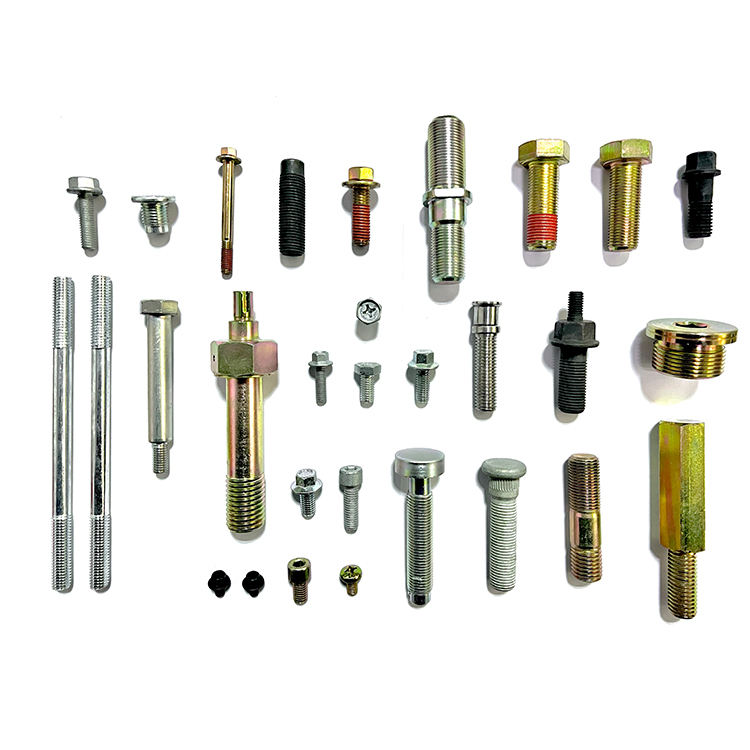
Custom made M7 M12 M24 threaded bolt with pin astm bolt
More DetailsSupply Chain Value: Why Work with a Non-Standard Fasteners Supplier
A good-quality fastener supplier provides detailed testing reports. They manage everything from heat treatment to final plating.
Many companies choose China non-standard fasteners for their massive production scale. Other buyers may prefer non-standard fasteners India for specialized steel alloys.
Some industries require very specific hardware for niche artisan tasks. A non-standard special fastener Corby bolt manufacturer creates parts for knife handles.
These bolts provide a flush finish and a permanent mechanical bond. Even small consumer goods benefit from such precise engineering.
Comparing Factory vs Trading vs OEM Supply Models
Buying directly from a non-standard fasteners factory reduces the risk of errors. Factories offer better control over the final finish and tolerance.
OEM manufacturers are perfect for proprietary designs that require protection. This model guarantees a stable supply of custom parts for years.

Conclusion: Customization = Fit, Performance, Durability
Specialized non-standard fasteners solve the problems that generic parts simply cannot handle. They ensure a perfect fit for every unique engineering challenge.
By working with a technical supplier, you ensure long-term performance. These type of fasteners reduce maintenance costs and improve overall safety.
FAQs
When do you need non-standard fasteners instead of standard ones?
You need them when standard parts do not fit the space. They are also required for unique materials.
What manufacturing processes are used for custom fasteners?
Common methods include cold heading and CNC machining. The choice depends on the part shape and volume.
How do I evaluate a non-standard fasteners supplier?
Look at their technical patents and staff expertise. You should also check their process for material testing.
Can non-standard fasteners be produced in small batches?
Yes, CNC machining is ideal for small batch production. This allows for testing and specialized equipment builds.


