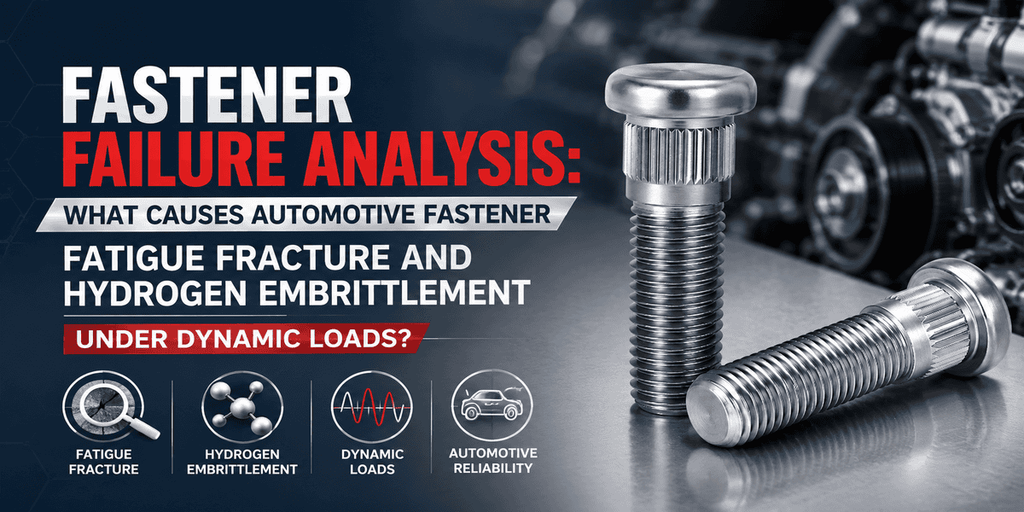
Analisi dei guasti dei fissaggi: Cosa causa la frattura per fatica e l'infragilimento da idrogeno dei fissaggi automobilistici sotto carichi dinamici?
Risposta rapida:
I bulloni utilizzati nelle automobili possono essere soggetti a cedimenti dovuti a fatica, taglio, cricche correlate alla corrosione o allentamento causato da vibrazioni. Il carico dinamico rende questi problemi molto più pericolosi poiché le vibrazioni del motore, gli impatti dovuti alle strade, la frenata e le vibrazioni del sistema di sospensione faranno cambiare continuamente le forze su un giunto.
L'analisi del cedimento dei fissaggi deve essere condotta considerando la frattura, la condizione del giunto, il carico del bullone, la corrosione e la storia dell'assemblaggio. La posizione in cui si è verificata la cricca o la rottura può aiutare a determinare quale tipo di problema è stato responsabile del cedimento. CNRL produce vari tipi di elementi di fissaggio per autoveicoli, tra cui bulloni, prigionieri, viti, dadi, tra gli altri, per motori, telai, trasmissioni, freni e sistemi di sicurezza.
Perché il cedimento dei fissaggi può diventare costoso nelle applicazioni automobilistiche?
Un semplice bullone può avere un grande impatto su un grande sistema di assemblaggio di veicoli. Se un fissaggio cruciale perde la sua capacità di serraggio o si rompe, ci potrebbe essere un movimento delle parti oltre i loro limiti previsti.
Le conseguenze includerebbero produzione di rumore, perdite, disallineamento, danni alle parti o cedimento della funzionalità del giunto. I sistemi motore, sospensioni, sterzo, trasmissione e freni sono particolarmente vulnerabili poiché hanno fissaggi sottoposti a carichi dinamici.
Il carico dinamico significa anche che il cedimento può svilupparsi gradualmente. Un bullone può resistere a migliaia di cicli prima che una piccola cricca cresca abbastanza da causare una frattura finale. Questo è il motivo per cui il cedimento per fatica dei fissaggi può verificarsi anche quando il carico applicato non sembra mai abbastanza grande da rompere il bullone in un unico evento.
Quali sono le modalità comuni di cedimento dei fissaggi automobilistici cedimento dei bulloni?
Le principali modalità di cedimento dei bulloni non lasciano tutte le stesse prove. Comprendere come si sviluppa ciascuna aiuta gli ingegneri a risalire alla causa invece di sostituire semplicemente la parte rotta.
Cedimento per fatica
La fatica si verifica quando un fissaggio è esposto a ripetute variazioni di stress. Una piccola cricca potrebbe iniziare a svilupparsi alla radice di un filetto o persino sulla superficie del fissaggio.
Ad ogni ciclo di carico, la cricca potrebbe crescere fino a quando il bullone non viene ridotto in dimensioni a tal punto da non poter più sopportare il carico, causando una frattura improvvisa.
La condizione sarà peggiorata da un precarico inadeguato, che si traduce in separazione o slittamento del giunto, con conseguente aumento dei carichi ciclici nel bullone.
È quindi fondamentale che l'analisi del cedimento dei fissaggi vada oltre il semplice esame del bullone ceduto.
Cedimento per taglio
Il cedimento per taglio è il risultato di forze applicate trasversalmente al bullone piuttosto che assialmente. Questo può essere il caso quando c'è un'azione di scorrimento tra i due pezzi collegati.
Le cause del taglio del bullone sono il sovraccarico del giunto, l'uso di bulloni di dimensioni, grado, progettazione improprie o un carico di serraggio inadeguato.
Il carico di serraggio è particolarmente significativo in tali casi. Nella maggior parte dei casi, l'attrito tra le superfici serrate in un giunto serve a resistere al movimento. Tuttavia, in un caso in cui vi è una riduzione del carico di serraggio, i membri inizieranno a scivolare finché l'albero del bullone non sarà sottoposto a stress di taglio.
Cedimento indotto da corrosione
La corrosione causa una riduzione dell'area della sezione trasversale del fissaggio. Inoltre, causa vaiolatura, che porta a concentrazioni di stress. Questi sono particolarmente importanti in luoghi con sale stradale, umidità, calore e contatto chimico attorno alle aree dei veicoli come sotto i veicoli e gli scarichi.
Un altro problema che potrebbe interessare alcuni fissaggi in acciaio ad alta resistenza è l'infragilimento da idrogeno. L'idrogeno può penetrare nell'acciaio suscettibile attraverso processi di produzione e rivestimento o persino dall'ambiente.
A sua volta, il fissaggio diventa incline a cricche ritardate quando sottoposto a stress di trazione. Inizialmente, il bullone sembrerà a posto ma si criccherà dopo un po' di tempo.
Pertanto, la scelta della protezione dalla corrosione deve corrispondere al tipo di materiale, alla classe di resistenza, alla procedura di rivestimento e all'ambiente di servizio. Ottenere semplicemente un bullone migliore non è la risposta a tutti i problemi.
Allentamento dovuto a vibrazioni
Le vibrazioni non rompono sempre direttamente un bullone. Invece, il movimento trasversale ripetuto può ridurre gradualmente la forza di serraggio.
Una volta che il precarico diminuisce, le superfici del giunto possono iniziare a scivolare. Il bullone può quindi subire stress ciclici e movimenti maggiori del previsto.
Un'efficace prevenzione dell'allentamento dei fissaggi inizia con il raggiungimento del precarico specificato. La condizione del filetto, il metodo di serraggio, la finitura superficiale, la rigidità del giunto e il metodo di bloccaggio possono anche influenzare la resistenza all'allentamento. Questo è importante nei giunti delle sospensioni, del motore, del telaio e del gruppo propulsore dove le vibrazioni continuano durante il funzionamento del veicolo.
Come può essere prevenuto ciascun tipo di cedimento dei fissaggi?
La prevenzione inizia abbinando il fissaggio e la progettazione del giunto al carico effettivo. Sostituire un bullone ceduto con una classe di resistenza superiore senza identificare la causa può semplicemente spostare il problema altrove.
Controllo di fatica e taglio
Il controllo della fatica dipende dal mantenimento dello stress ciclico del bullone entro l'intervallo previsto. Un precarico corretto aiuta le parti serrate a rimanere a contatto e riduce il movimento al giunto.
Per problemi legati al taglio, il giunto dovrebbe anche avere una forza di serraggio sufficiente e dimensioni del fissaggio adeguate per il carico trasversale previsto. Comprendere le cause effettive del taglio del bullone aiuta a determinare se il problema deriva dal carico, dal movimento del giunto, dalle dimensioni o dalla selezione del materiale.
Gestione del rischio di corrosione e idrogeno
La selezione del materiale e del rivestimento dovrebbe riflettere l'esposizione ad acqua, sale stradale, sostanze chimiche e temperatura. Per l'acciaio ad alta resistenza suscettibile, anche i controlli di produzione sono importanti poiché l'idrogeno introdotto durante la lavorazione può contribuire a cricche ritardate. Le procedure di rivestimento e il post-trattamento richiesto dovrebbero quindi corrispondere alle specifiche del fissaggio.
Impedire alle vibrazioni di ridurre il precarico
Un serraggio corretto rimane centrale per la prevenzione dell'allentamento dei fissaggi. Un precarico troppo basso consente il movimento, mentre un serraggio eccessivo può allungare o danneggiare il fissaggio.
Possono essere utilizzate anche caratteristiche di bloccaggio laddove il giunto le richieda. Queste possono includere dadi a coppia prevalente o altri design di bloccaggio meccanico. Il metodo scelto deve supportare il giunto piuttosto che compensare un elemento di fissaggio o una specifica di serraggio errati.
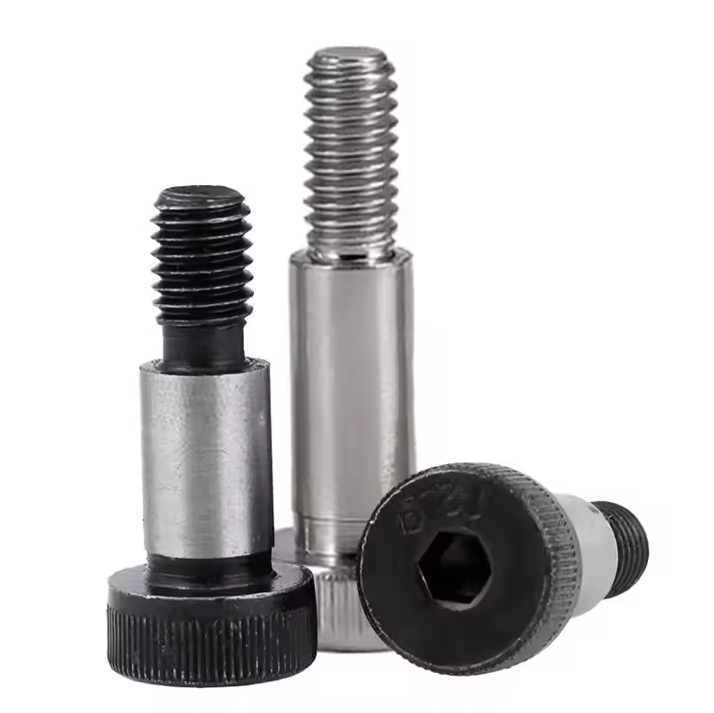
Viti a testa cilindrica con esagono incassato ad alta resistenza classe 12.9
Maggiori dettagliCome testa CNRL i elementi di fissaggio prima dell'uso automobilistico?
I test forniscono un modo per trovare problemi dimensionali, meccanici, superficiali e di materiale prima che gli elementi di fissaggio entrino in un assemblaggio automobilistico.
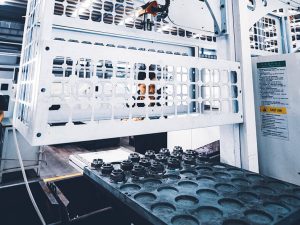
CNRL elenca tra le sue risorse di test macchine per prove di trazione macchine per prove di trazione, durometri, attrezzature per prove di nebbia salina, strumenti per la misurazione dello spessore del rivestimento, attrezzature per ispezioni dimensionali e sistemi di misurazione 3D. L'azienda utilizza anche ispezioni con particelle magnetiche e correnti parassite per il rilevamento di difetti nei processi produttivi applicabili.
Controlli meccanici e dimensionali
Prove di trazione e prove di durezza aiutano a confermare se le proprietà meccaniche soddisfano i requisiti specificati. L'ispezione dimensionale controlla caratteristiche quali diametro, geometria della filettatura e altri requisiti del disegno.
Questi controlli sono importanti perché dimensioni o proprietà meccaniche errate possono contribuire a diversi cedimento dei bulloni.
Ispezione superficiale e dei difetti
Le prove di nebbia salina e di spessore del rivestimento possono valutare i trattamenti superficiali specificati. L'ispezione con particelle magnetiche o correnti parassite può anche aiutare a rilevare alcuni difetti che potrebbero non essere evidenti solo con l'ispezione visiva.
Insieme, questi controlli supportano un approccio più completo all'analisi dei guasti dei elementi di fissaggio. La prevenzione dei guasti inizia prima dell'installazione verificando se l'elemento di fissaggio corrisponde al suo disegno, ai requisiti di materiale, meccanici e superficiali.
Scopri le capacità del centro di test CNRLe discuti i requisiti di ispezione per i progetti di elementi di fissaggio automobilistici.
CNRL, il tuo fornitore di fiducia di soluzioni di fissaggio
Soluzioni e consulenze professionali sui fissaggi per OEM globali
Richiedi un preventivo