Крепеж двигателя: выбор материала и обслуживание при высоких температурах и давлении
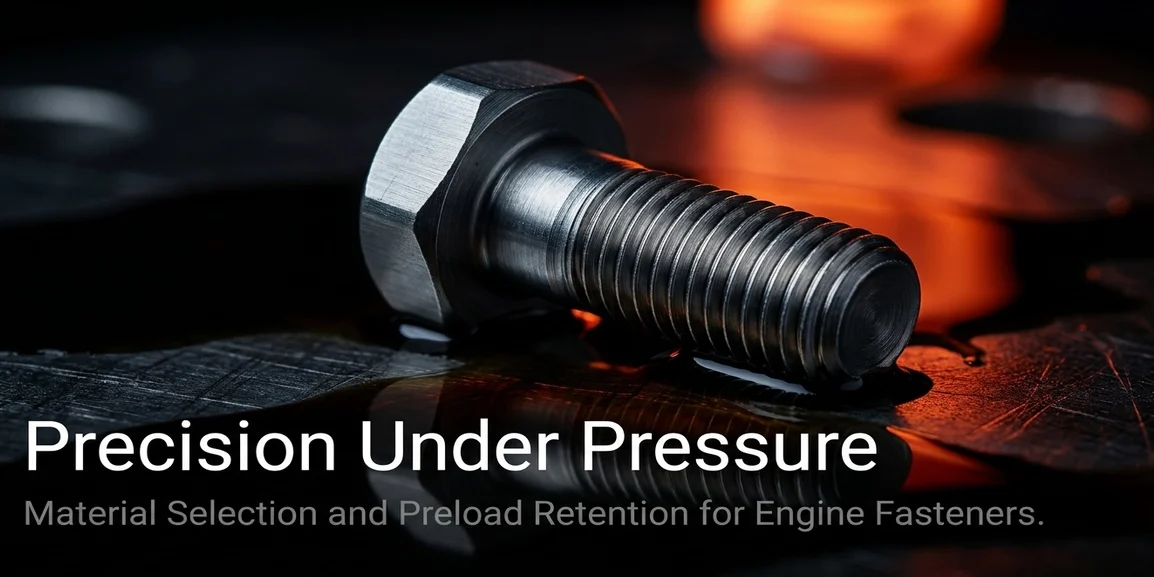
Крепежные детали двигателя не привлекают особого внимания, пока одна из них не ослабнет, не заржавеет или не выйдет из строя во время эксплуатации. В зонах двигателя крепежная деталь должна выдерживать нагрузку зажима, в то время как тепло, давление, вибрация и воздействие масла постоянно меняют состояние соединения.
Для крепежные детали двигателя автомобильные покупатели, правильный выбор начинается с рабочей среды. Размер имеет значение, но материал, класс, покрытие, удержание предварительной нагрузки и поведение при тепловом расширении имеют не меньшее значение.
Почему крепежные детали двигателя требуют большего ухода, чем обычные крепежные детали
Крепежные детали двигателя работают в более суровых условиях, чем большинство обычных крепежных деталей. Они могут располагаться рядом с горячими корпусами, кронштейнами, деталями, прилегающими к выхлопной системе, масляными линиями или движущимися компонентами. Даже когда деталь выглядит простой, соединение может подвергаться постоянному тепловому циклу.
Тепло может изменить нагрузку зажима. Вибрация может увеличить риск ослабления. Масло и влага могут повлиять на срок службы покрытия. Если крепеж установлен в алюминий, чугун или сталь, окружающий материал также влияет на поведение соединения.
Вот почему крепежные детали двигателя автомобильные проекты не должны утверждаться только по размеру резьбы. Покупатель также должен спросить, где находится деталь, что она зажимает и как часто соединение будет разбираться во время технического обслуживания.
Какой материал следует выбрать покупателям для крепежных деталей двигателя?
Лучший материал зависит от нагрузки, температуры, воздействия коррозии и целевой стоимости. Углеродистая сталь является распространенным для многих кронштейнов в зоне двигателя и общих точек зажима. Легированная сталь часто используется, когда прочность важнее. Нержавеющая сталь может помочь там, где коррозия является большей проблемой.
Титановые крепежные детали для автомобильного применения могут рассматриваться, когда снижение веса является серьезной целью. Но титан не является простым улучшением для каждого соединения двигателя. Он стоит дороже, и покупателям необходимо проверять износ резьбы, риск заедания, материал сопряжения и совместимость покрытия.
Для титановых крепежных деталей для автомобильных плюсов и минусов практический ответ таков: титан может снизить вес, но его следует использовать только тогда, когда применение оправдывает затраты, а конструкция соединения поддерживает его.
| Материал | Где это может подойти | Что проверить |
| Углеродистая сталь | Общие кронштейны и стандартные соединения в зоне двигателя | Покрытие, класс и воздействие коррозии |
| Легированная сталь | Соединения с более высокой нагрузкой | Класс прочности, твердость и требование к крутящему моменту |
| Нержавеющая сталь | Зоны, подверженные коррозии | Риск заедания и требование к прочности |
| Титановый сплав | Программы с учетом веса | Стоимость, материал сопряжения и поведение резьбы |
Что означает удержание предварительной нагрузки в соединении двигателя?
Удержание предварительной нагрузки означает, что крепеж сохраняет достаточную силу зажима после установки, теплового цикла и эксплуатации. Если предварительная нагрузка падает, соединение может сместиться. Как только начинается движение, крепеж может ослабнуть быстрее, или соединенные детали могут износиться.
Это распространенная проблема в зонах двигателя, потому что температура не остается постоянной. Соединение может нагреваться, остывать и повторять один и тот же цикл много раз. Каждый цикл может изменить поведение крепежа и соединенных материалов.
Для крепежные детали двигателя автомобильные приложениях, покупатели должны спросить, требуется ли детали определенный класс прочности, тип шайбы, функция фиксации резьбы или контролируемое трение покрытия. Эти мелкие детали могут повлиять на то, насколько хорошо соединение сохраняет свою нагрузку зажима.
Почему согласование теплового расширения имеет значение
Согласование коэффициента теплового расширения звучит технически, но идея проста. Различные материалы расширяются с разной скоростью при нагревании. Если крепеж и окружающие его детали движутся слишком по-разному, нагрузка зажима может измениться.
Это важно, когда стальной крепеж используется с алюминием или другими легкими материалами. Соединение может выглядеть правильно при комнатной температуре, но вести себя по-другому после того, как двигатель достигнет рабочей температуры.
Сопротивление ползучести также имеет значение в зонах с высокой нагрузкой. Под воздействием тепла и нагрузки некоторые материалы могут медленно деформироваться. Когда это происходит, соединение может потерять силу зажима, даже если крепеж не сломался.
Вот почему выбор крепежных деталей двигателя должен включать как прочность материала, так и реальную рабочую температуру.
Являются ли термостойкие крепежные детали для интерьера такими же, как крепежные детали двигателя?
Нет. Автомобильные крепежные детали для высоких температур для внутренних программ обычно фокусируются на отделке, зонах, прилегающих к электронике, зонах HVAC или частях салона, подверженных воздействию тепла. Крепежные детали двигателя имеют дело с более сильной вибрацией, более высокими нагрузками зажима и более прямым тепловым циклом.
Покупатель, ищущий термостойкие крепежные решения для автомобильных интерьеров, может иметь дело с совместимостью с пластиком, внешним видом или контролем шума. Это обоснованные опасения, но они отличаются от удержания предварительной нагрузки в кронштейне или корпусе двигателя.
Крепежные детали в зоне двигателя требуют более тщательного рассмотрения материала, покрытия, класса прочности, зацепления резьбы и требований к инспекции.
Что должно быть включено в запрос ценового предложения на крепежные детали двигателя?
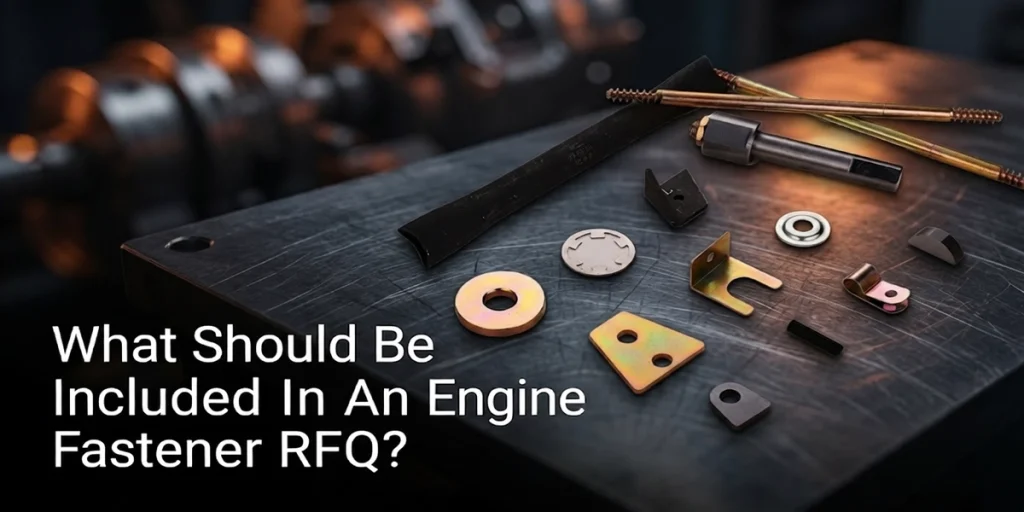
Хороший запрос ценового предложения должен объяснять назначение крепежа, а не только его размер. Это дает поставщику достаточно контекста, чтобы проверить, имеют ли смысл запрошенный материал и покрытие.
Для сгруппированных крепежных деталей двигателя покупатели могут просмотреть сборкой крепежа для автомобильных двигателей когда проект включает болты, втулки и шайбы в одном применении, связанном с двигателем. CNRL перечисляет варианты материалов для этого продукта, включая углеродистую сталь, легированную сталь, нержавеющую сталь, латунь или материал, требуемый производителем оригинального оборудования.
Практичный запрос на коммерческое предложение должен включать:
- Область применения: Кронштейн, корпус, крепление аксессуара или зона, прилегающая к выхлопной системе
- Условия работы: Тепло, вибрация, воздействие масла, давление или многократное снятие
- Материал: Углеродистая сталь, легированная сталь, нержавеющая сталь, титановый сплав или материал, требуемый производителем оригинального оборудования
- Класс прочности: 8, 10.9, 12.9 или требование к конкретному проекту
- Обработка поверхности: Цинк, черный цинк, Dacromet, фосфатирование или другая отделка
- Запрос на тестирование: Твердость, предел прочности на разрыв, толщина покрытия или испытание на солевой туман
- Справочный файл: Чертеж, образец, 3D-файл или текущий номер детали
Когда высокопрочные крепежные детали двигателя имеют смысл?
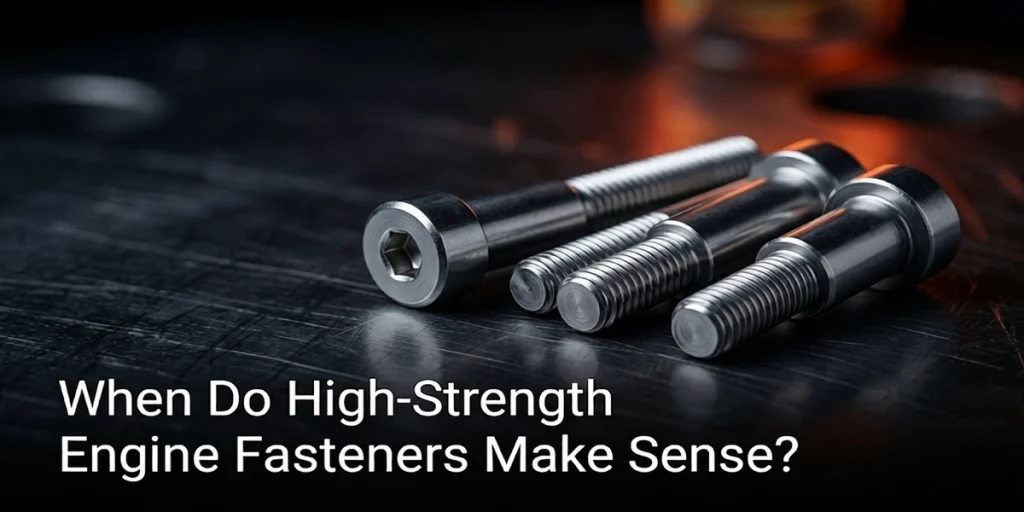
Высокопрочные крепежные детали двигателя имеют смысл, когда соединение требует стабильной силы зажима под нагрузкой, теплом и вибрацией. Но более высокая прочность не всегда лучше. Если материал сопряжения или глубина резьбы не подходят, более прочный крепеж все равно может создать проблемы.
Болты с упором могут быть полезны, когда в одном соединении требуется регулировка расстояния, выравнивание и зажим. Покупатели могут сравнить требования чертежа с высокопрочными шестигранными болтами с упором когда в применении требуется упор с более высокой прочностью. Страница CNRL определяет этот продукт как высокопрочный болт с упором класса 12.9.
Для крепежные детали двигателя автомобильные программы, такой обзор помогает избежать распространенной ошибки: выбор более прочной детали без проверки того, сможет ли все соединение ее выдержать.
Что должны проверять команды технического обслуживания после тепловых циклов?
Ремонтные бригады должны проверять не только ослабленные крепежные детали. Им следует искать признаки того, что соединение изменилось во время эксплуатации.
Распространенные предупреждающие знаки включают поврежденные резьбы, ржавчину, потерю покрытия, растянутые болты, неравномерные следы от шайб, масляное загрязнение или обесцвечивание от нагрева. Если крепеж был снят во время ремонта, бригада должна подтвердить, можно ли его использовать повторно.
Некоторые крепежные детали нельзя использовать повторно после высоких нагрузок, перегрева или многократной затяжки. Это следует проверить по чертежу, правилам OEM или рекомендациям поставщика.
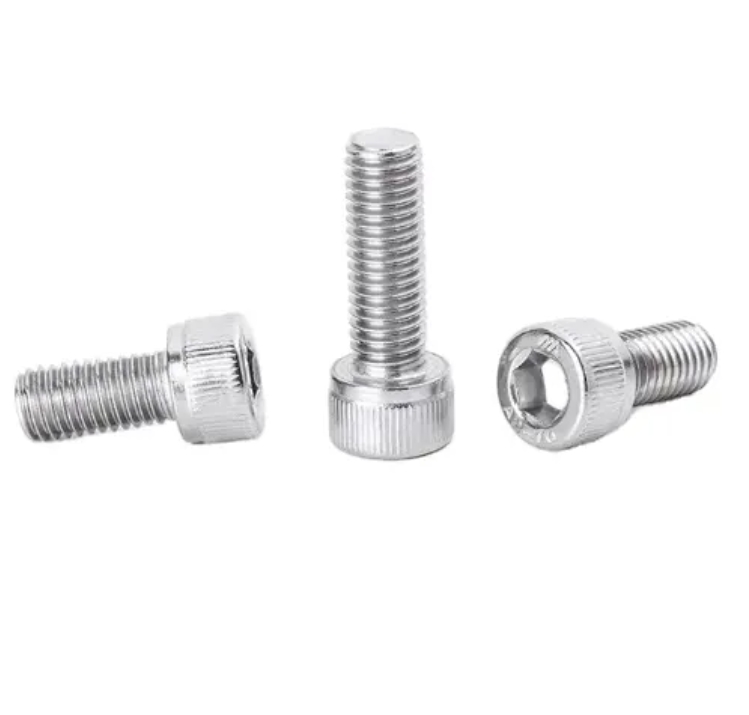
Ознакомьтесь с нашим обширным ассортиментом стандартных и изготовленных на заказ шестигранных болтов, доступных в различных классах прочности и с разной степенью обработки поверхности.
ПодробнееКак CNRL Fasteners поддерживает проекты по крепежным деталям двигателя
CNRL Fasteners поддерживает проекты по креплению автомобилей стандартными и нестандартными деталями для двигателя, шасси, кузова, трансмиссии и тормозной системы. Его страница автомобильных решений перечисляет диапазоны производительности от класса 4.8 до 12.9, диаметры от 3 мм до 30 мм и длины от 6 мм до 300 мм.
Для инспекции CNRL перечисляет такие испытания, как твердость, металлографические испытания, испытания на растяжение, предел текучести, испытания на нейтральный солевой туман и испытания на коэффициент трения. На той же странице упоминается оборудование, такое как спектрометр прямого считывания, измеритель толщины покрытия, испытательная машина на растяжение, камера для испытаний на солевой туман, твердомер и металлографический микроскоп.
Эти проверки важны для крепежные детали двигателя автомобильные заказов, поскольку покупателям часто требуется подтверждение материала, толщины покрытия, твердости и прочности перед утверждением массового производства.
Выберите крепеж с учетом реального состояния двигателя
Крепежные детали двигателя должны выбираться с учетом нагрева, давления, вибрации, сочетания материалов и потребностей в обслуживании. Деталь, подходящая к резьбе, не всегда является деталью, которая сохранит предварительную нагрузку после многократной эксплуатации.
Перед размещением заказа отправьте в CNRL Fasteners чертеж, образец, класс, требование к покрытию, область применения и запрос на проверку. Это даст поставщику достаточно деталей для проверки того, сможет ли крепеж справиться с фактическими условиями работы двигателя.