Bulloni Torque-to-Yield: In che modo la deformazione plastica permanente influisce sulla forza di serraggio della testata del motore?
Risposta rapida:
I bulloni torque-to-yield si deformano plasticamente durante l'installazione e sono progettati per farlo. La deformazione nella zona plastica garantisce una distribuzione uniforme del carico sulla testata del motore e sulla guarnizione. La deformazione permanente è un altro motivo per cui i bulloni torque-to-yield devono essere cambiati una volta installati nell'assemblaggio e non devono essere riutilizzati, poiché ciò potrebbe alterare la natura del serraggio. CNRL produce elementi di fissaggio automobilistici per motori, telai, trasmissioni e altri componenti automobilistici.
Perché i bulloni TTY hanno cambiato l'assemblaggio del motore?
Le testate dovrebbero fornire compressione della guarnizione in varie condizioni di riscaldamento, raffreddamento, vibrazioni e pressione di combustione del motore. A questo proposito, gli elementi di fissaggio devono fornire una forza di serraggio controllata attraverso l'accoppiamento.
Tradizionalmente, i bulloni operano normalmente nella regione elastica quando vengono serrati. L'allungamento è reversibile, il che consente di tornare alla lunghezza iniziale del bullone dopo che è stato scaricato.
I fissaggi TTY operano secondo un principio diverso. I bulloni vengono serrati fino a quando non si verifica una deformazione plastica controllata, che può portare a ottenere una forza di serraggio più controllata.
È stato scoperto nella ricerca sul fissaggio delle testate che il serraggio con coppia-angolo è migliore del serraggio a coppia diretta nel fornire il controllo della forza di serraggio.
Questa tecnica è particolarmente efficace nei casi in cui la tenuta della guarnizione richiede una distribuzione uniforme delle forze sulla testata.
Cosa sono i bulloni torque-to-yield?
UN bullone torque-to-yield è un tipo di elemento di fissaggio che supera il suo limite elastico quando viene serrato. Fino al punto di snervamento, il bullone subisce un allungamento elastico. Quando il carico viene rilasciato, gran parte di questo allungamento ritorna al bullone. Una volta raggiunto il punto di snervamento, parte di questo allungamento sarà permanente.
Come la deformazione plastica influisce sulla forza di serraggio
Non è solo l'obiettivo quello di allungare il fissaggio alla sua massima estensione. Esiste un requisito di serraggio che detta l'entità della deformazione.
Per la maggior parte dei bulloni della testata, è richiesta una coppia seguita da un angolo. Il metodo coppia-angolo minimizza l'influenza dell'attrito nella formazione del carico di serraggio.
Ciò porta a un migliore controllo dell'interazione tra l'allungamento del bullone e il carico di serraggio. Questo è importante per la capacità di tenuta di una guarnizione della testata durante l'intero intervallo di funzionamento del motore.
La guida di CNRL su resistenza alla trazione e snervamento dei fissaggi fornisce ulteriori informazioni di base su queste proprietà dei materiali.
Come si confrontano i bulloni TTY con i bulloni standard?
La differenza principale tra i bulloni torque-to-yield e quelli normali è l'intervallo di deformazione previsto durante il serraggio.
| Caratteristica | Bullone TTY | Bullone standard |
| Approccio di serraggio | Coppia e angolo spesso specificati | Coppia comunemente specificata |
| Deformazione elastica | SÌ | SÌ |
| Deformazione plastica | Intenzionale | Normalmente evitata |
| Allungamento permanente | Previsto | Normalmente assente |
| Riutilizzo | Di solito non consentito | Può essere consentito |
| Applicazione comune | Testate e giunti critici | Assemblaggi automobilistici generali |
Un bullone standard viene normalmente selezionato per rimanere entro il suo intervallo elastico. Un fissaggio TTY è specificamente progettato per entrare in un intervallo di snervamento controllato.
Questa differenza influisce sui requisiti di sostituzione. Non ci si può aspettare che un bullone che ha già ceduto si comporti esattamente come un bullone nuovo.
CNRL spiega anche il ruolo e la costruzione di base di bulloni per autoveicoli nella sua guida correlata.
È possibile riutilizzare i bulloni torque-to-yield??
La risposta breve è generalmente no. Questa domanda sorge frequentemente quando si lavora sulle testate. Nel momento in cui il bullone si allunga oltre il suo limite elastico, cambia le sue dimensioni e il suo comportamento materiale. Pertanto, il riutilizzo di questo fissaggio darebbe valori di carico di serraggio diversi alla stessa specifica di coppia.
Perché la sostituzione è normalmente richiesta
Esistono diversi motivi per cui la sostituzione è normalmente necessaria quando si ha a che fare con bulloni ceduti bulloni della testataQuesti includono quanto segue:
- Allungato permanentemente.
- Capacità di deformazione ridotta.
- Carico di serraggio diverso rispetto ai bulloni nuovi.
- Il bullone è monouso dal produttore.
Le linee guida di CNRL per i fissaggi automobilistici indicano anche che alcuni fissaggi non possono essere riutilizzati dopo essere stati sottoposti a carichi pesanti, surriscaldamento o serraggi multipli.
Ci sono alcuni casi in cui ci sono chiare linee guida su come ispezionare i bulloni. Tuttavia, un'ispezione visiva generale non deve avere la precedenza sulle istruzioni del produttore del motore.
Come si possono identificare i bulloni TTY nelle applicazioni automobilistiche?
Sapere come identificare i bulloni torque-to-yield inizia con le informazioni di servizio del produttore. Questo è più affidabile che giudicare il bullone dal suo aspetto. Un manuale di servizio può specificare la coppia seguita da un angolo di rotazione. Può anche indicare che i fissaggi della testata richiedono la sostituzione dopo la rimozione.
Indizi comuni di identificazione
Diverse caratteristiche possono aiutare a identificare un possibile fissaggio TTY:
- Specifiche di serraggio coppia-più-angolo.
- Una sezione di diametro ridotto lungo il gambo.
- Un'istruzione del produttore che richiede la sostituzione.
- Un numero di parte collegato a una specifica applicazione della testata.
L'aspetto del bullone da solo non è sufficiente. Un fissaggio ceduto può apparire normale anche dopo una deformazione permanente.
Per l'approvvigionamento, è necessario verificare il modello del motore, il numero di parte originale, le dimensioni, le specifiche della filettatura, il materiale e le proprietà meccaniche richieste.
Perché CNRL produce bulloni TTY di grado OEM?
I fissaggi della testata sono componenti specifici dell'applicazione. La resistenza del materiale, le dimensioni, l'accuratezza della filettatura, il trattamento termico e le condizioni superficiali possono influire sulle loro prestazioni.
CNRL produce fissaggi automobilistici per applicazioni OEM e specializzate. La sua gamma automobilistica copre componenti del motore, del telaio, della carrozzeria, della trasmissione e del sistema frenante. L'azienda elenca classi di prestazioni da 4.8 a 12.9, con diametri da 3 mm a 30 mm e lunghezze da 6 mm a 300 mm.
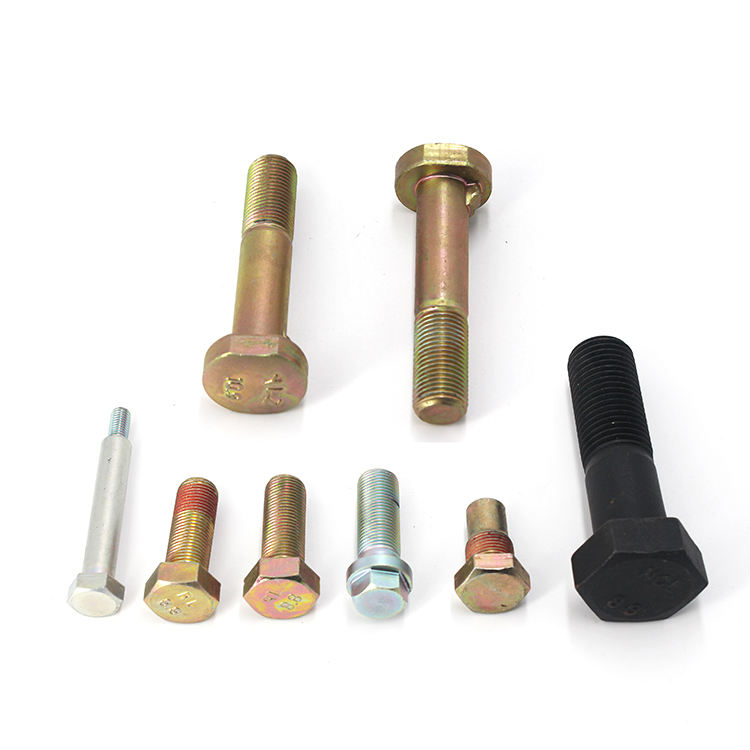
Bullone esagonale standard per automobili zincato di colore non standard di grado 10.9
Forma: Cilindrico
Dimensioni: M3-M72 (3/16"- 4")
Colore: Bianco Zinco
CNRL fornisce anche soluzioni di fissaggio personalizzate in base ai requisiti dell'applicazione. I suoi sistemi di qualità dichiarati includono Norma IATF 16949, ISO 14001 e ISO 45001.
Questo approccio produttivo è utile quando un progetto richiede una progettazione specifica del bullone piuttosto che un elemento di fissaggio standard da catalogo.
Per produttori, distributori e fornitori di ricambi auto che cercano i bulloni torque-to-yield per applicazioni di testate cilindri, CNRL può supportare requisiti specifici dell'applicazione.
Contatta CNRL per discutere bulloni TTY per testate cilindri, requisiti di elementi di fissaggio OEM o progetti personalizzati di fissaggio automobilistico.