Спецификации момента затяжки колесных гаек: полная таблица по марке и модели автомобиля
Спецификации момента затяжки колесных гаек сообщают вам, насколько тугими колесные гайки должны быть. Правильное число помогает колесу плотно прилегать к ступице. Это также помогает защитить шпильки, резьбу и посадочное место колеса.
Не угадывайте окончательное значение. Используйте приведенные ниже диапазоны в качестве краткого руководства, а затем проверьте руководство пользователя или сервисное руководство для точной марки, модели, года выпуска и конфигурации колес.
Почему важен правильный момент затяжки колесных гаек
Колесные гайки удерживают колесо на ступице. Каждая из них требует равномерного давления. Если одна гайка затянута сильнее или слабее других, колесо может быть установлено неправильно.
Ослабленные колесные гайки могут вызвать вибрацию, щелчки или смещение колеса. Если проблема усугубляется, колесо может стать небезопасным.
Чрезмерный момент затяжки также может привести к повреждению. Он может растянуть шпильки колеса, сорвать резьбу или затруднить следующую замену шины.
Динамометрический ключ помогает, потому что он дает реальное число. Затяжка "на ощупь" недостаточна для колесного крепежа.
Спецификации момента затяжки колесных гаек по маркам автомобилей
Он спецификации момента затяжки колесных гаек ниже приведены распространенные фунт-фут диапазоны. Они полезны для быстрой проверки, но не являются окончательным ответом для каждого автомобиля. Всегда проверяйте руководство пользователя или сервисное руководство перед затяжкой колес.
| Марка автомобиля | Общий диапазон | Распространенные модели для проверки |
| Toyota / Lexus | 76–80 фунт-фут для многих легковых автомобилей; 97–103 фунт-фут для многих грузовиков и внедорожников | Corolla, Camry, RAV4, Highlander, Tacoma, 4Runner, Lexus RX, Lexus GX |
| Honda / Acura | Около 80 фунт-фут для многих моделей | Civic, Accord, CR-V, HR-V, Pilot, седаны и кроссоверы Acura |
| Ford / Lincoln | Около 100 фунт-фут для многих легковых автомобилей и внедорожников; 140–150 фунт-фут для некоторых грузовиков | Focus, Fusion, Escape, Explorer, F-150, Expedition, внедорожники Lincoln |
| Chevrolet / GMC | Около 100 фунт-фут для многих легковых автомобилей; 140 фунт-фут или более для некоторых грузовиков и больших внедорожников | Malibu, Equinox, Traverse, Silverado, Tahoe, Suburban, Sierra, Yukon |
| Nissan / Infiniti | Около 80–98 фунт-фут для многих моделей | Sentra, Altima, Maxima, Rogue, Pathfinder, Frontier, легковые автомобили и внедорожники Infiniti |
| BMW / Mercedes / Audi | Около 88–103 фунт-фут для многих моделей | BMW 3 серии, 5 серии, X3, X5, Mercedes C-Class, E-Class, GLC, Audi A4, A6, Q5, Q7 |
| Jeep / Ram / Dodge | Около 100–130 фунт-фут для многих моделей; выше для некоторых тяжелых грузовиков | Wrangler, Grand Cherokee, Charger, Challenger, Durango, Ram 1500, Ram HD |
| Hyundai / Kia | Около 79–94 фунт-фут для многих моделей | Elantra, Sonata, Tucson, Santa Fe, Forte, K5, Sportage, Sorento |
| Subaru / Mazda | Около 80–89 фунт-фут для многих моделей | Impreza, Legacy, Crosstrek, Forester, Outback, Mazda3, Mazda6, CX-5, CX-9 |
Факторы, влияющие на момент затяжки колесных гаек
Момент затяжки колесных гаек зависит не только от марки автомобиля. Важны колесо, шпилька и колесная гайка.
Начните со шпильки колеса размер резьбыШпилька и колесная гайка должны иметь одинаковую резьбу. Если они не совпадают, гайка может быть нарезана с перекосом, прежде чем она станет тугой.
Форма посадочного места также имеет значение. Некоторые колеса используют коническое посадочное место. Некоторые используют шаровое посадочное место. Другие используют плоское посадочное место. Различные типы колесных гаек требуют разных посадочных мест, поэтому гайка должна соответствовать колесу.
Материал колеса также может изменить то, что необходимо проверить. Стальные колеса и легкосплавные колеса могут не использовать одинаковое посадочное место или тип крепежа.
Состояние резьбы также важно. Многие значения момента затяжки основаны на чистых, сухих резьбах. Масло, смазка или антипригарное средство могут изменить способ затяжки гайки.
Как правильно затягивать колесные гайки
Начинайте закручивать каждую колесную гайку вручную. Это поможет вам почувствовать, правильно ли выровнены резьбы.
После этого слегка подтяните гайки в звездчатом порядке. Не затягивайте полностью одну гайку, пока остальные еще ослаблены.
Опустите автомобиль так, чтобы шина коснулась земли и не могла вращаться. Затем используйте динамометрический ключ для окончательной затяжки.
Используйте этот порядок:
- Начинайте закручивать каждую колесную гайку вручную.
- Слегка подтяните гайки в звездчатом порядке.
- Установите динамометрический ключ на спецификацию автомобиля.
- Затягивайте каждую гайку в том же звездчатом порядке.
- Пройдитесь еще раз, чтобы подтвердить.
- Повторно проверьте через 50–100 миль, если колесо было снято.
Ударный гайковерт может помочь снять колесные гайки, но он не должен использоваться для окончательной проверки. Он может чрезмерно затянуть гайки, если настройка неправильная.
Таблица размеров гаек-болтов
Эта таблица размеров колесных гаек показывает распространенные размеры резьбы. Используйте ее только в качестве краткого руководства. Всегда проверяйте автомобиль перед заказом.
| Размер резьбы | Часто встречается на |
| М12 x 1.25 | Некоторые модели Nissan, Subaru и Infiniti |
| М12 x 1.5 | Многие модели Honda, Toyota, Mazda, Hyundai и Kia |
| М14 x 1.5 | Многие новые внедорожники, грузовики и большие легковые автомобили |
| M14 x 2.0 | Некоторые Ford, Lincoln и грузовые автомобили |
| 1/2″-20 | Многие старые американские автомобили и прицепы |
| 9/16″-18 | Некоторые грузовые автомобили и прицепы большой грузоподъемности |
Размер колесной гайки, длина шпильки и толщина колеса должны проверяться вместе. Если проставка или более толстое колесо уменьшают сцепление резьбы, удлиненные шпильки колеса могут потребоваться, прежде чем колесная гайка сможет захватить достаточно резьбы.
Загружаемая версия этой таблицы может помочь мастерским, покупателям и сервисным бригадам проверить распространенные размеры перед заказом колесного крепежа.
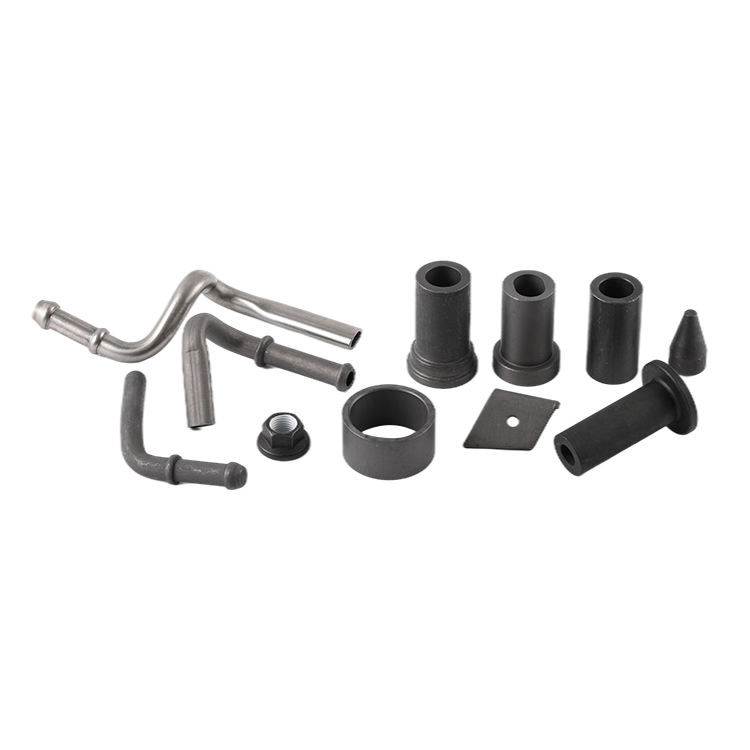
Крепеж шасси автомобиля грузовика OEM втулка гайка выхлопная подвеска стержни болт
ПодробнееЧасто задаваемые вопросы
Что такое спецификации момента затяжки колесных гаек?
Спецификации момента затяжки колесных гаек — это числа затяжки для колесных гаек. Обычно они указываются в фунт-фут или Нм.
Являются ли спецификации момента затяжки колесных гаек одинаковыми для всех автомобилей?
Нет. Спецификации момента затяжки колесных гаек меняются в зависимости от марки, модели, года выпуска, типа колеса и размера шпильки. Руководство пользователя содержит наиболее безопасное число.
Что произойдет, если колесные гайки слишком ослаблены?
Ослабленные колесные гайки могут вызвать вибрацию, щелчки или смещение колеса. Если проблему игнорировать, колесо может стать небезопасным.
Поиск
Категории
Теги
Продукт
- Крепеж вторичного рынка
- Ремонтные комплекты тормозных суппортов
- Болт развала
- Цилиндрический болт
- Буксировочный крюк
- Болт и гайка для грузовиков
- Колесный болт
- Колесные гайки
- Застежка
- Болт
- Втулки втулки
- Дорога для выхлопной трубы
- Плоские ключи
- Вставка Helicoil
- Орехи
- Приколоть
- Заклепка
- Винты
- Штамповка деталей
- Шпилька
- Стиральная машина
- Автомобильный
- Части тела
- Тормозная система
- Детали шасси
- Детали двигателя
- Детали трансмиссии


