Why Helicoil Insert EVs Are Critical in Aluminum Components
EVs rely greatly on aluminum components to save weight and enhance energy efficiency.
Nonetheless, aluminum threads tend to wear off faster after many tightening and loosening processes, and thus, the need for helicoil inserts in the production of EVs.
In light of the ongoing efforts to save vehicle weight, there has been increased use of aluminum in the production of battery casings, engine casings, chassis parts, and frame assemblies.
Although aluminum contributes to weight saving, the thread strength poses several difficulties in assembly and disassembly processes.
Here comes the use of wire inserts that enhance the thread strength.
Why Do Aluminum Components Need Stronger Threads?
Aluminum is lighter than steel, but it has lower thread wear resistance. Under heavy loads or repeated assembly cycles, threads may deform or strip.
This issue becomes more noticeable in electric vehicles because many systems experience vibration, thermal expansion, and maintenance disassembly.
Learn more below.
Lower Thread Strength in Aluminum
Steel bolts installed directly into aluminum may create uneven stress during tightening.
Over time, threads may loosen or become damaged, especially in areas exposed to vibration or heat changes. This problem is common in battery housings and motor assemblies.
Aluminum thread reinforcement helps distribute fastening loads more evenly across the threaded connection.
Repeated Maintenance Cycles
Battery systems and electronic modules often require periodic servicing.
Repeated bolt removal gradually weakens untreated aluminum threads. Once thread wear begins, the clamping force becomes less stable during reassembly.
This is one reason automotive helicoil systems are widely used in EV servicing and production.
Thermal Expansion Challenges
Electric vehicles experience frequent temperature changes during charging and operation.
Aluminum expands more than steel under heat. Without proper reinforcement, thread loosening may occur after repeated thermal cycling.
Wire thread inserts help maintain more stable fastening performance under these conditions.
How Does a Helicoil Insert Improve EV Aluminum Parts?
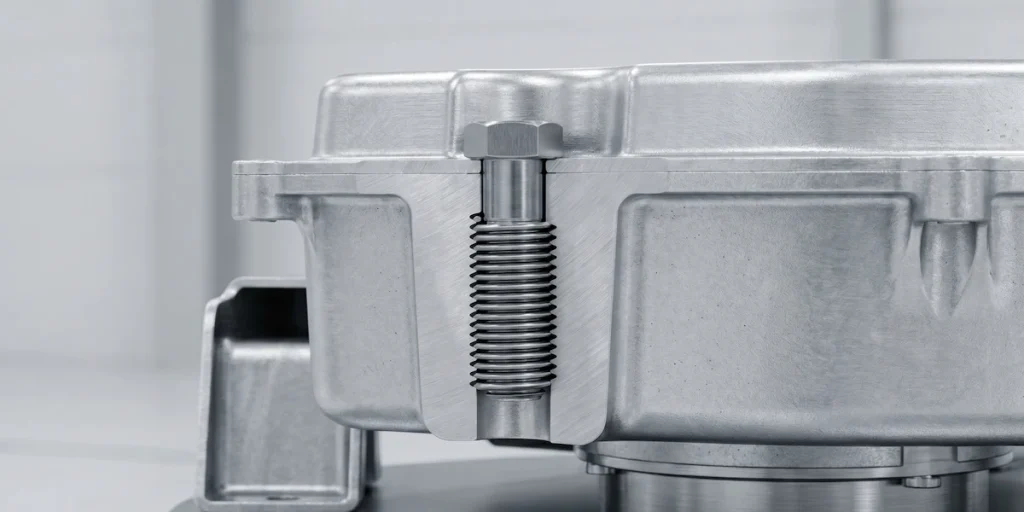
一个 helicoil insert EV solution strengthens threaded holes by adding a hardened internal thread inside softer aluminum material.
This improves thread durability without adding much weight to the component.
Wire thread inserts distribute fastening loads more evenly across the thread surface. This reduces stress concentration and lowers the risk of stripped aluminum threads during tightening.
Compared with direct threading, inserts also improve pull-out resistance under repeated loading.
Electric vehicles experience constant vibration and temperature changes during operation.
Reinforced threads help maintain a stable clamping force in battery housings, motor assemblies, and structural parts.
Many fasteners for EV applications now use thread inserts to improve long-term joint stability.
Thread inserts also extend service life.
If thread damage occurs, the insert can often be replaced without changing the entire aluminum component, helping reduce repair costs and maintenance downtime.
Where Are Helicoil Inserts Commonly Used in Electric Vehicles?
Electric vehicles contain many aluminum parts that require durable threaded connections.
Thread inserts are commonly used in areas where vibration, heat, or repeated maintenance are expected.
Battery Housing Assemblies
Battery packs contain large aluminum enclosures designed to reduce vehicle weight.
EV battery housing fasteners must maintain secure clamping during charging cycles and road vibration. Weak threads may affect enclosure sealing and structural stability.
Thread inserts improve fastening durability in these critical areas.
Electric Motor Components
Motor housings often use aluminum because of its lightweight and heat transfer properties.
Bolted motor covers and mounting points require stable threads during repeated thermal cycling. Reinforced threaded holes help reduce loosening risks over time.
Suspension and Structural Parts
Some lightweight vehicle frames also use aluminum structural sections.
Thread inserts support stronger bolt retention in areas exposed to repeated movement and road impact.
This supports the growing use of lightweight fastening solution strategies in EV design.
How Do Helicoil Inserts Support Lightweight Vehicle Design?
Vehicle weight directly affects driving range and battery efficiency.
Because of this, manufacturers continue replacing heavier steel parts with aluminum alternatives.
Supporting Lightweight Materials
Aluminum helps reduce overall vehicle mass without sacrificing structural performance.
However, weaker thread strength remains one limitation. Thread inserts solve this issue without requiring thicker or heavier components.
This allows engineers to continue expanding lightweight fasteners and aluminum structures across EV platforms.
Reducing Oversized Component Design
Without reinforced threads, manufacturers may increase material thickness to improve thread holding strength. This adds unnecessary weight to the final assembly.
Using thread inserts allows thinner aluminum sections while maintaining sufficient fastening performance.
Improving Manufacturing Flexibility
Wire thread inserts can also simplify production design.
Manufacturers can standardize fastening sizes across multiple aluminum components instead of redesigning thicker threaded sections for every application.
This improves assembly consistency and inventory management.
What Problems Can Helicoil Inserts Help Prevent?
Thread failure in aluminum components often develops gradually during production or maintenance. Early prevention helps reduce repair costs and avoids unnecessary component replacement.
Improper torque or repeated tightening may strip aluminum threads during assembly.
Wire thread inserts create a harder contact surface that improves thread durability and reduces damage risks.
This is especially important in automated EV production lines where fastening consistency matters.
Thread inserts also help reduce galvanic corrosion between steel bolts and aluminum parts.
Some insert materials and surface coatings minimize direct metal contact inside threaded joints, improving long-term durability under moisture exposure.
In damaged components, inserts also support thread repair of aluminum parts without replacing the entire housing or bracket.
This helps manufacturers and repair teams restore threaded connections more efficiently during servicing and aftermarket maintenance.
How Will Thread Inserts Continue Supporting EV Development?
Electric vehicles will continue using more aluminum as manufacturers pursue lower vehicle weight and longer driving range.
This increases the need for stronger and more durable threaded connections.
这 helicoil insert EV market will likely continue expanding as battery systems become larger and vehicle structures become lighter.
Reinforced threads help solve one of aluminum’s biggest limitations while supporting long-term assembly performance.
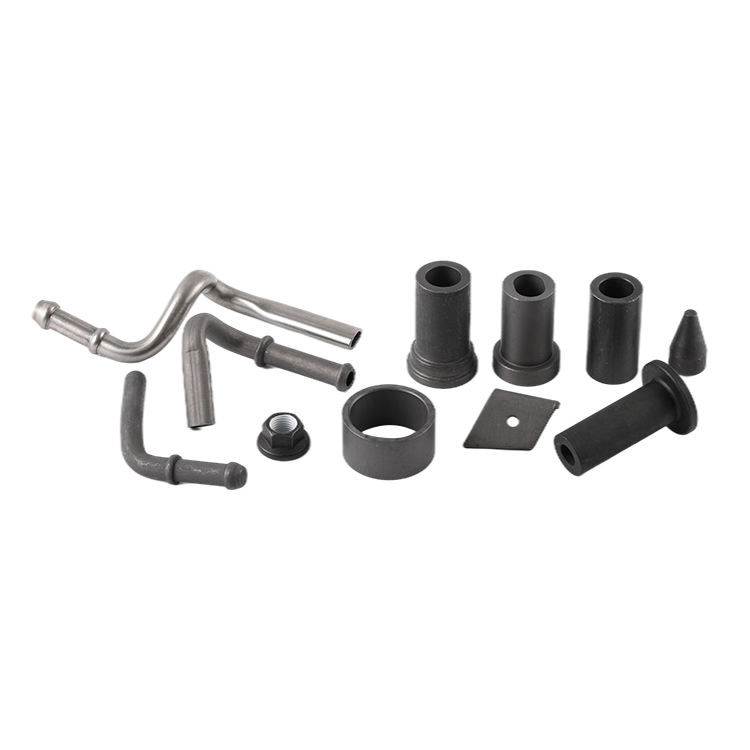
IATF 16949认证汽车卡车底盘紧固件OEM衬套螺母排气吊杆螺栓
更多详情Why Does Manufacturing Capability Matter for Wire Thread Inserts?
Wire thread inserts require accurate dimensions and stable wire forming quality. Poor insert geometry may affect thread engagement and fastening strength in EV assemblies.
CNRL operates dedicated workshops and specialized equipment for wire thread insert production. This supports dimensional consistency across different insert sizes and thread specifications.
Insert performance also depends on material quality, heat treatment, and surface finishing.
Manufacturers must inspect thread pitch, hardness, and tolerances carefully during production.
These controls help maintain stable fastening performance in automotive applications where repeated assembly quality and long-term durability are important.
联系我们 today for more information.


