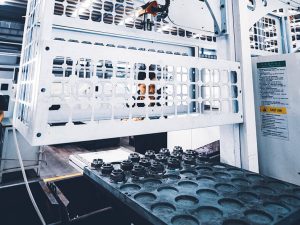
The Complete Guide To Bulk Purchasing Automotive Fasteners: From RFQ To Delivery

Wholesale automotive fasteners should be purchased through a clear process, not only by comparing unit prices. Major overseas buyers need to verify product details, confirm drawings, approve samples, control production and check shipment documents before delivery.
This process helps reduce wrong parts, shipment delays and quality disputes. It is especially important when the order includes mixed SKUs, custom drawings, repair kits or automotive components for global supply chains.
What Should Buyers Prepare Before Sending An RFQ?
Buyers should prepare complete product information before sending an RFQ. A supplier cannot quote accurately if the request only says “bolt,” “nut” or “washer.”
A useful RFQ should include the part name, drawing, material, size, strength grade, surface treatment, quantity and application area. If the buyer has a physical sample, it should also be shared for checking.
为了 wholesale automotive fasteners, the RFQ should also define the sales channel. OEM assembly lines, repair shops and distributors may need different packaging. A bulk carton may work for factory supply, while a repair channel may need labeled bags or kits.
A complete RFQ should answer these points:
- Part type: Bolt, nut, washer, rivet, pin, sleeve or assembly
- Material: Carbon steel, stainless steel, alloy steel, brass or OEM-required material
- Finish: Zinc plated, black oxide, nickel, chrome, H.D.G or other coating
- Standard: ISO, DIN, ANSI, JIS, GB, BS or non-standard drawing
- Quantity: Trial order, batch order or long-term supply volume
- Packaging: Bulk carton, labeled bag, mixed kit or customer packaging

How Does Product Information Verification Work?
Product information verification means checking whether the requested part can be produced, tested and packed as required. This step should happen before price confirmation.
The supplier reviews the drawing, sample, tolerance, material, coating and application. If the part is used in an engine, chassis, body or brake system, the working condition should be discussed early.
This step helps avoid a common problem in automotive fastener supply: the part looks correct, but it does not match the real use. A small change in head height, thread pitch or coating thickness can affect fit during assembly.
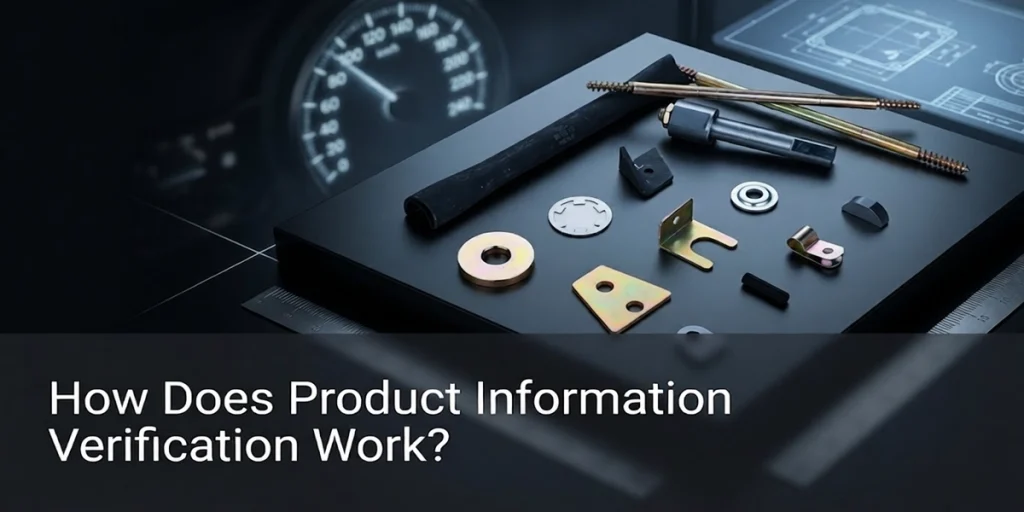
For engine-related stock or repair kits, buyers can review automotive engine fastener assemblies as a reference for how bushings, washers and bolts may be grouped before confirming the final SKU list.
Why Is Design Approval Important Before Sampling?
Design approval is important because it confirms the supplier and buyer are working from the same technical file. Without this step, sampling may waste time.
Design approval should cover drawings, dimensions, thread details, material, finish, marking, inspection method and packaging format. For non-standard parts, buyers should confirm whether the supplier will follow the original drawing or adjust the design for production.
This step also protects the buyer from hidden cost changes. If the drawing changes after sampling, tooling, lead time and unit price may also change.
For an automotive fasteners company, design approval is not just paperwork. It is the point where engineering, purchasing and production agree on the same part.

How Should Buyers Handle Mass-Production Sampling?
Mass-production sampling should prove that the supplier can make the part under real production conditions. It is different from making one perfect sample by hand.
A good sample review should check size, thread, hardness, coating, surface finish, packaging and fit. If the buyer has assembly equipment, the sample should also be tested with the actual tool or fixture.
For high-volume orders, buyers should ask whether the sample comes from trial production or normal production equipment. This matters because bulk quality must match the approved sample.
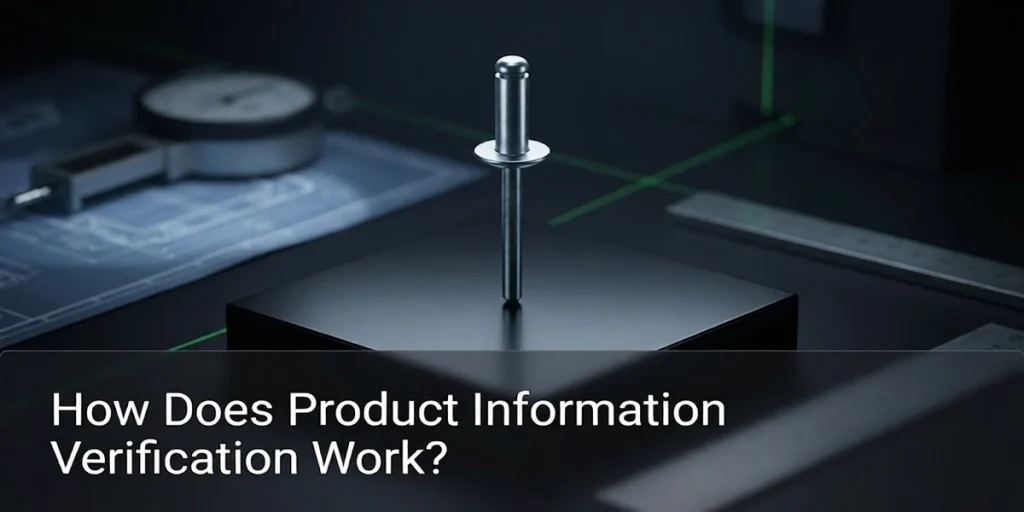
Where body, chassis or repair programs need high-volume rivet stock, the OEM blind rivets page shows the type of fields buyers should define early, such as material, finish, size, quantity and standard.
What Happens During Bulk Manufacturing?
Bulk manufacturing begins after the buyer approves the sample, drawing and order details. At this stage, the supplier should control material preparation, forming, machining, heat treatment, surface treatment, inspection and packaging.
For wholesale orders, consistency matters more than one good sample. The parts must remain stable across batches. This is why buyers should confirm inspection points before production starts.
Typical checks may include:
- Dimensional inspection
- Thread checking with gauges
- Hardness testing
- Tensile testing when required
- Coating or salt spray checks
- Visual inspection
- Packaging quantity checks
For automotive fastener online inquiries, buyers should avoid placing large orders based only on website photos. The better approach is to confirm the full specification and request samples before bulk production.
How Should Final Shipment Be Checked?
Final shipment should be checked against the purchase order, packing list and approved specification. The buyer should confirm quantity, labels, cartons, pallet details and shipping marks before the goods leave the factory.
Shipment documents may include the commercial invoice, packing list, bill of lading, certificate of origin or inspection documents. The exact requirement depends on the buyer’s import process.
For major overseas buyers, this step is part of supply chain control. A good product can still create problems if labels, cartons or documents are wrong.
CNRL Fasteners can support export orders through product verification, design confirmation, sampling, bulk production and shipment coordination. The company’s product range covers fastener and automotive categories, including 螺栓s, nuts, washers, pins, bushing sleeves, rivets and engine-related parts.
What Should Master Distributors Check Before A Repeat Order?
Master distributor automotive fasteners programs should check sales data, slow-moving SKUs, packaging feedback and customer complaints before repeating an order. A repeat order should not simply copy the last shipment.
Distributors should review which parts moved quickly, which items had fit questions and which packages caused confusion. This helps adjust the next bulk order.
If the market needs mixed kits, the distributor should group parts by repair area or vehicle system. If the market needs factory supply, bulk packaging may be more practical.
This review helps reduce dead stock and improve delivery planning for future automotive fastener supply.
Build A Clear Procurement Process Before Ordering
Wholesale automotive fasteners should move through a structured process: RFQ preparation, product verification, design approval, sampling, bulk production, inspection and final shipment.
This process helps overseas buyers reduce errors before the parts enter their supply chain. It also helps the supplier quote, produce and pack the order based on real requirements.
Before placing a bulk order, prepare drawings, samples, materials, coating requirements, packaging needs and inspection documents. CNRL Fasteners can then review the order and help match the fastener plan to the buyer’s application, volume and delivery schedule.