Selezione di bulloni esagonali pesanti per applicazioni industriali
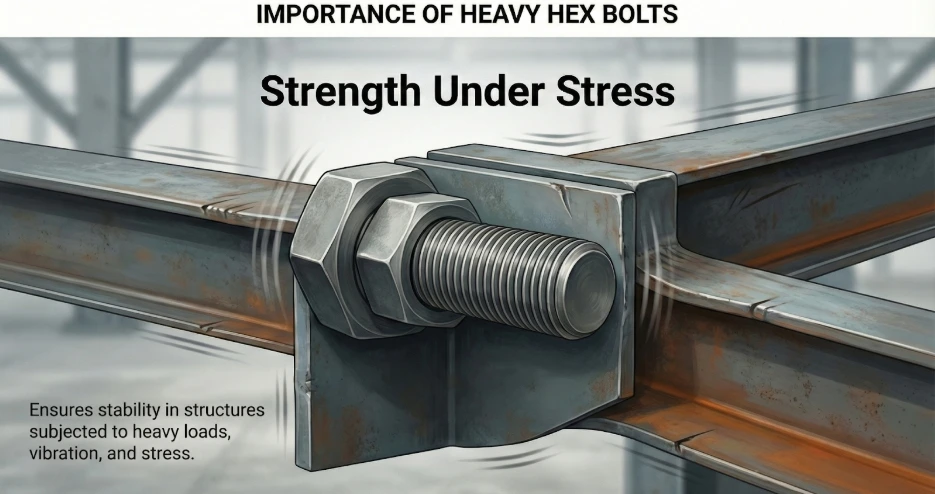
Le strutture industriali necessitano di elementi di fissaggio che mantengano la resistenza sotto carico, vibrazioni e stress. Bulloni esagonali pesanti svolgono questa funzione offrendo elevata forza di serraggio e stabilità meccanica.
Un bullone a testa esagonale presenta sei lati per l'installazione con chiave inglese e il trasferimento controllato della coppia. Gli ingegneri si affidano ai bulloni esagonali nei giunti strutturali in cui il cedimento è inaccettabile.
Per saperne di più sui dettagli dei bulloni esagonali, continua a leggere qui sotto.

Perché la resistenza è importante nelle applicazioni pesanti
Macchinari e infrastrutture pesanti creano condizioni meccaniche impegnative. I camion sono sottoposti a vibrazioni e forze di torsione durante il normale funzionamento. Ponti e turbine eoliche sono sottoposti a carichi dinamici dovuti al traffico e al vento.
Queste condizioni di stress mirano ad allentare o deformare gli elementi di fissaggio. Giunti bullonati resistenti impediscono il movimento tra le parti collegate. Selezione corretta degli elementi di fissaggio mantiene l'integrità strutturale e la sicurezza.
Dimensioni, vestibilità e considerazioni dimensionali
Il dimensionamento influisce sulle prestazioni e sull'efficienza dell'assemblaggio. Un ingegnere utilizza un dimensioni dei bulloni esagonali riferimento per selezionare diametro, lunghezza e innesto della filettatura. Un accoppiamento corretto previene la rottura delle filettature e l'indebolimento del giunto.
Le tabelle dimensionali facilitano la comunicazione tra ingegneri, acquirenti e fabbriche. Una tabella dimensionale dei bulloni esagonali indica le larghezze delle teste, le lunghezze delle filettature e le dimensioni delle chiavi. Le dimensioni standard consentono un approvvigionamento e un'installazione coerenti.
Tabella di riferimento delle dimensioni dei bulloni esagonali
| Parametro | Descrizione |
| Diametro nominale | Diametro del bullone misurato attraverso la sezione filettata |
| Lunghezza del filo | Lunghezza dell'area filettata per l'innesto del dado |
| Lunghezza del gambo | Lunghezza non filettata che sopporta carichi di taglio |
| Larghezza della testa | Distanza tra i piani per il dimensionamento della chiave |
| Altezza della testa | Spessore della testa sopra la superficie |
Questo formato di tabella aiuta a chiarire le aspettative relative alle specifiche. Riduce inoltre gli errori durante gli ordini e le revisioni di produzione.
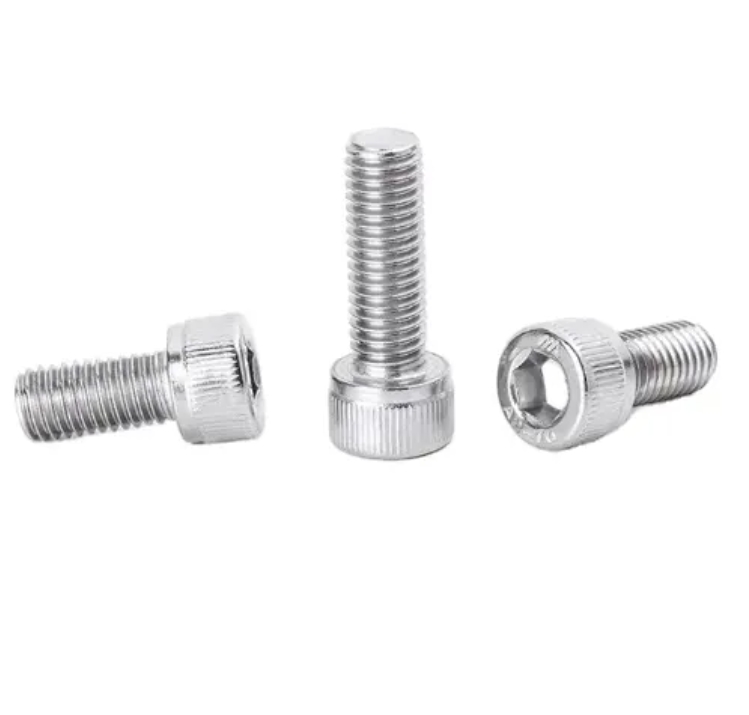
Esplora la nostra gamma completa di bulloni esagonali standard e personalizzati, disponibili in vari gradi e finiture superficiali.
Maggiori dettagliMateriali e gradi di resistenza
La scelta del materiale influenza il comportamento meccanico e la durata utile. L'acciaio legato offre un'elevata resistenza alla trazione e una durezza controllata. I rivestimenti speciali contribuiscono a resistere alla corrosione in ambienti esterni o marini.
I gradi di resistenza definiscono il comportamento di un bullone sottoposto a forze di trazione e taglio. I gradi più elevati supportano carichi maggiori e resistono alla deformazione. Rivestimenti come la zincatura o lo zinco proteggono dalla ruggine e dall'esposizione chimica.
Ispezione e garanzia della qualità

Gli elementi di fissaggio per impieghi gravosi vengono sottoposti a test più approfonditi rispetto agli elementi di fissaggio standard. L'ispezione conferma che i componenti soddisfano i requisiti di resistenza e materiali specificati. CNRL utilizza diversi metodi di ispezione avanzati per la verifica.
Test del coefficiente di attrito
Questo test misura le caratteristiche di serraggio tra filettature e superfici. Le variazioni di attrito alterano la forza di serraggio in base alla coppia specificata. Valori di attrito stabili supportano risultati di installazione prevedibili.
Prove meccaniche
Una macchina di prova universale servo-idraulica verifica resistenza alla trazione e allo snervamentoQuesta apparecchiatura simula le forze reali applicate agli elementi di fissaggio. I dati dei test confermano che i lotti soddisfano gli standard ingegneristici.
Analisi della composizione dei materiali
L'analisi degli elementi conferma la corretta formulazione della lega. La composizione chimica influenza durezza, duttilità e resistenza alla fatica. Una composizione precisa migliora le prestazioni strutturali a lungo termine.
Qualità CNRL: prestazioni comprovate sul campo
I test di laboratorio rafforzano la fiducia, ma i risultati sul campo ne dimostrano la validità. Gli elementi di fissaggio CNRL sono stati impiegati in attrezzature e infrastrutture impegnative. Queste applicazioni convalidano le prestazioni degli elementi di fissaggio in ambienti di stress reali.
La collaborazione con FAW Jiefang e Dongfeng Motor dimostra la durevolezza dei veicoli commerciali. Camion generano vibrazioni continue, variazioni di coppia e cicli termici. Gli elementi di fissaggio strutturali devono tollerare queste condizioni senza allentarsi o rompersi.
Le migliori pratiche di installazione da ricordare
Anche i componenti ad alta resistenza possono rompersi se installati in modo errato. I bulloni devono essere serrati con valori di coppia specifici. Gli utensili dinamometrici aiutano a mantenere un precarico uniforme sui giunti.
Un serraggio insufficiente riduce la forza di serraggio e aumenta l'allentamento dovuto alle vibrazioni. Un serraggio eccessivo allunga le filettature e riduce la resistenza del materiale. Rondelle aiutano a distribuire la forza e a proteggere le superfici durante il serraggio.
Errori di selezione comuni che puoi evitare
Un errore è l'utilizzo di ferramenta generica per applicazioni strutturali. La ferramenta standard non supporta carichi dinamici elevati. I giunti strutturali richiedono elementi di fissaggio progettati appositamente per le forze industriali.
Un altro errore è ignorare l'esposizione ambientale. La corrosione può ridurre la sezione trasversale e indebolire il giunto. Ambienti con elevata umidità o in ambienti marini richiedono rivestimenti protettivi o materiali inossidabili.
Collaborazione con fornitori e produttori
Gli acquirenti spesso necessitano di dimensioni o materiali personalizzati per progetti speciali. Collaborare con un fornitore che comprenda i requisiti per impieghi gravosi migliora i risultati. Un fornitore di elementi di fissaggio non standard può adattare la geometria ai disegni tecnici.
Fabbriche, come CNRL, supportare una maggiore personalizzazione rispetto ai distributori generici. Una fabbrica di elementi di fissaggio non standard può adattare la lunghezza della filettatura, i rivestimenti o il grado della lega. I fornitori regionali, come i produttori cinesi di elementi di fissaggio non standard o i produttori indiani di elementi di fissaggio non standard, supportano la produzione in grandi lotti e la consegna a livello globale.
La documentazione dei fornitori agevola la verifica e il controllo qualità. I report dei test di attrito, delle prove meccaniche e delle analisi chimiche supportano la tracciabilità. Questa documentazione aumenta la fiducia dei clienti industriali.
Conclusione
La scelta dei bulloni esagonali pesanti più adatti per applicazioni industriali inizia con la comprensione delle condizioni di carico, degli ambienti e degli standard dimensionali. Un'ispezione adeguata garantisce che materiali, proprietà meccaniche e rivestimenti soddisfino i requisiti ingegneristici.
Inoltre, combinando un'installazione corretta con un controllo di qualità verificato, si creano strutture in grado di resistere a forze elevate e carichi dinamici.
Ciò che è ancora più importante ricordare è che le attrezzature e le infrastrutture industriali dipendono da elementi di fissaggio che mantengono le prestazioni sotto stress, il che rende essenziale un'attenta selezione e convalida degli elementi di fissaggio.
Per iniziare a rispondere alle tue domande sui bulloni esagonali, contatta CNRL oggi stesso.
Ricerca
Categorie
Etichette
Prodotto
- Aftermarket Fasteners
- Brake Caliper Rep Kits
- Camber Bolt
- Cylinder Bolt
- Tow Hook
- Truck Bolt & Nut
- Wheel Bolt
- Dadi delle ruote
- Fissaggio
- Bullone
- Bronze pillar
- Manicotti di boccola
- Gancio di scarico Strada
- Inserto elicoidale
- Chiavi
- Noci
- Spillo
- Rivetto
- Viti
- Stampaggio di parti
- stud
- Rondella
- Automobilistico
- Parti del corpo
- Sistema frenante
- Parti del telaio
- Parti del motore
- Parti di trasmissione


