Brake Caliper Bolt Torque Specs And Replacement Guide
Brake caliper bolt torque is the tightening force used on the bolts that hold the brake caliper. The bolts need enough force to keep the caliper steady, but too much force can damage the threads or make the next repair harder.
Pads and rotors get most of the attention during brake work. Still, the smaller parts matter too. Bolts, clips, pins and brackets help the brakes sit straight, move smoothly and avoid noise.
What Are Brake Caliper Bolts?
Brake caliper bolts are the fasteners that keep the caliper assembly in position. They hold the caliper near the rotor, so the brake pads can press evenly when the driver steps on the brake pedal.
Most brake setups use two main bolt groups. One group is for the slide pins. The other group is for the bracket.
Slide pin bolts help the caliper move slightly as the pads contact the rotor. That small movement helps both pads apply pressure more evenly.
Caliper bracket bolts hold the bracket to the steering knuckle or axle area. They usually deal with more force than slide pin bolts, so the torque value is often higher.
During brake service, these bolts deserve a close look. Rust, damaged threads, a weak bolt grade or a rounded head can all cause trouble later. New pads will not fix a brake setup if the hardware cannot hold properly.
Brake Caliper Bolt Torque Specifications
Brake caliper bolt torque changes from one vehicle to another. The correct number depends on the bolt size, bolt grade, brake design and bolt location.
Use the service manual first. The front brakes and rear brakes may not use the same value. A small car and a light truck can also be very different.
| Vehicle Type | Slide Pin Bolt Range | Caliper Bracket Bolt Range |
| Compact car | 20–35 Nm | 70–100 Nm |
| Sedan | 25–40 Nm | 80–120 Nm |
| SUV | 30–50 Nm | 100–150 Nm |
| Light truck | 35–60 Nm | 120–180 Nm |
These values are only general ranges. They are useful for understanding the difference between slide pin bolts and bracket bolts, but they should not replace the service manual.
A loose caliper bolt can let the caliper shift. That may cause a click, a knock or uneven pad wear. A bolt that is too tight can stretch, strip the hole or become very hard to remove next time.
The same basic idea applies to bolt torque specifications because bolt size, grade and joint load all affect how much tightening force is safe.
Caliper Bracket Bolts: Types And Grades
Caliper bracket bolts need more care than many other bolts on a vehicle. They sit in a brake part that deals with heat, road shock and strong stopping force.
Most newer vehicles use metric bracket bolts. M10, M12 and M14 are common sizes, but the exact thread size still depends on the vehicle.
The grade matters too. A bolt can fit the hole and still be wrong. If the grade is too low, it may stretch or fail. If the bolt is not made for the brake bracket, do not use it.
Thread locker is another thing to check. Some bolts come with thread locker already on them. Some vehicles need liquid thread locker during installation. Others do not. The service manual should decide this.
Before a bracket bolt goes back in, check it in a practical way:
- Look at the head first. The socket should still grip it without slipping.
- Run the bolt in by hand. If it stops early or feels rough, do not force it.
- Check the shank for deep rust, cracks or a stretched look.
- Look at the first few threads, since that is where damage often starts.
- Make sure the length is right, so the bolt clamps without bottoming out.
- Match the strength grade to the brake bracket, not just the hole size.
A clean fit by hand is a good sign. A bolt that already feels wrong will not become safe just because it is tightened harder.
When To Replace Brake Caliper Bolts
Brake caliper bolts should be replaced when they no longer start, tighten or seat correctly. They do not have to snap before they become unsafe.
Pay close attention to the head, threads and surface condition. A rounded head can slip when you use a tool. Torn threads can stop the bolt from clamping properly. Bad coating or deep rust can also weaken the bolt, especially on vehicles used in rain, mud or road salt.
Some brake bolts are made for one-time use. These are often torque-to-yield bolts. They stretch during tightening, so reusing them can be risky if the service manual says to replace them.
Before putting old bolts back in, check them this way:
- Start the bolt by hand first, not with a wrench.
- Stop if the threads feel rough, loose or crossed.
- Check whether the head still holds the socket well.
- Look along the shank for deep rust, cracks or stretching.
- Follow the manual if it says the bolt is single-use.
In brake, chassis and wheel areas, automotive fastening applications often depend on the right mix of size, grade, coating and load fit.
Brake Hardware Kit Contents
A brake hardware kit contains the smaller parts used during brake service. The parts can change by vehicle, but the purpose is the same. The kit helps the pads, caliper and bracket sit and move the right way.
A kit can come with slide pins, rubber boots, clips, shims, springs and sometimes bolts. Clips keep the brake pads seated. Boots cover the slide pins, so dirt and water do not get in. Shims can reduce noise. Springs help certain pad designs stay seated or return correctly.
Old hardware can make new pads perform poorly. A bent clip can cause drag. A dry slide pin can stop smooth movement. A cracked boot can let water enter. A rusty bolt can make the next repair harder.
Use a full brake hardware kit when the old parts are rusty, missing, bent or loose. It also makes sense when the brakes have uneven pad wear, stuck pins or noise after service.
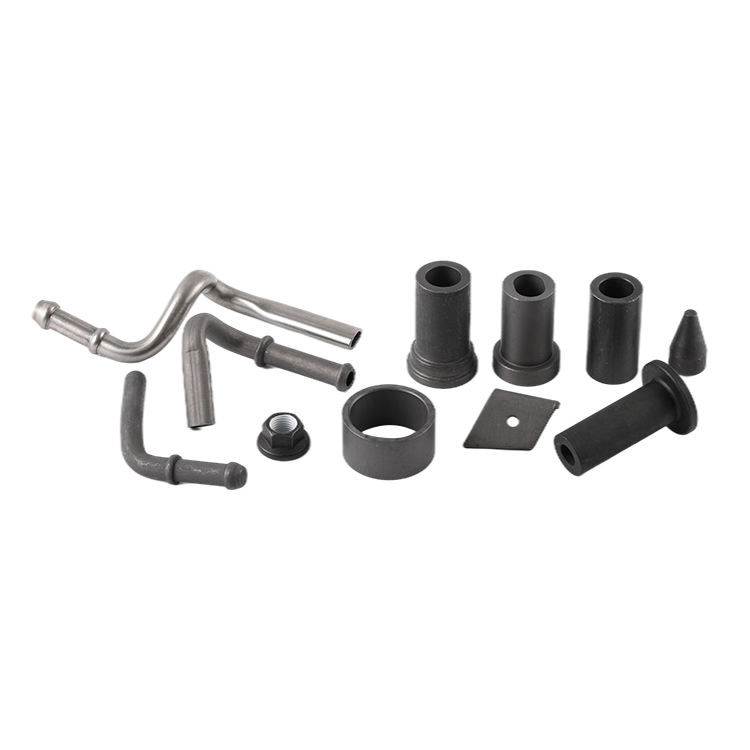
Automotive truck chassis fasteners OEM bushing nut exhaust hanger rods bolt
More DetailsFAQ
Do I Need New Brake Caliper Bolts?
Not always. You can use old brake caliper bolts again if they are clean and not bent. Change them if the head is worn, the threads feel bad or the manual says to use new ones.
Are Slide Pin Bolts And Caliper Bracket Bolts Different?
Yes. Slide pin bolts help the caliper move a little. Caliper bracket bolts hold the main bracket to the vehicle. Bracket bolts do a harder job, so they often need more strength.
Should I Use A Brake Hardware Kit?
Use a brake hardware kit if the old clips, pins, boots or small bolts look rusty, bent or missing. New pads can still make noise if the old small parts do not work well.