
14 8月,2026
Fastener Failure Analysis: What Causes Automotive Fastener Fatigue Fracture and Hydrogen Embrittlement Under Dynamic Loads?
Quick Answer: Fasteners used in automobiles may be susceptible to failure due to fatigue, shearing, corrosion-related cracking, or loosening caused by vibrations. Dynamic loading makes these issues much more dangerous since engine vibration, impact from roads, braking, and suspension system vibrations will cause the forces on a joint to change continuously. Fastener failure analysis must be conducted considering the fracture, joint condition, bolt loading, corrosion, and history of assembly. The position where the crack or break occurred may help to determine which type of problem was responsible for failure. CNRL produces various types of automotive fasteners, including bolts, studs, screws, nuts, among others, for engines, chassis, transmissions, brakes, and safety […]
12 8月,2026
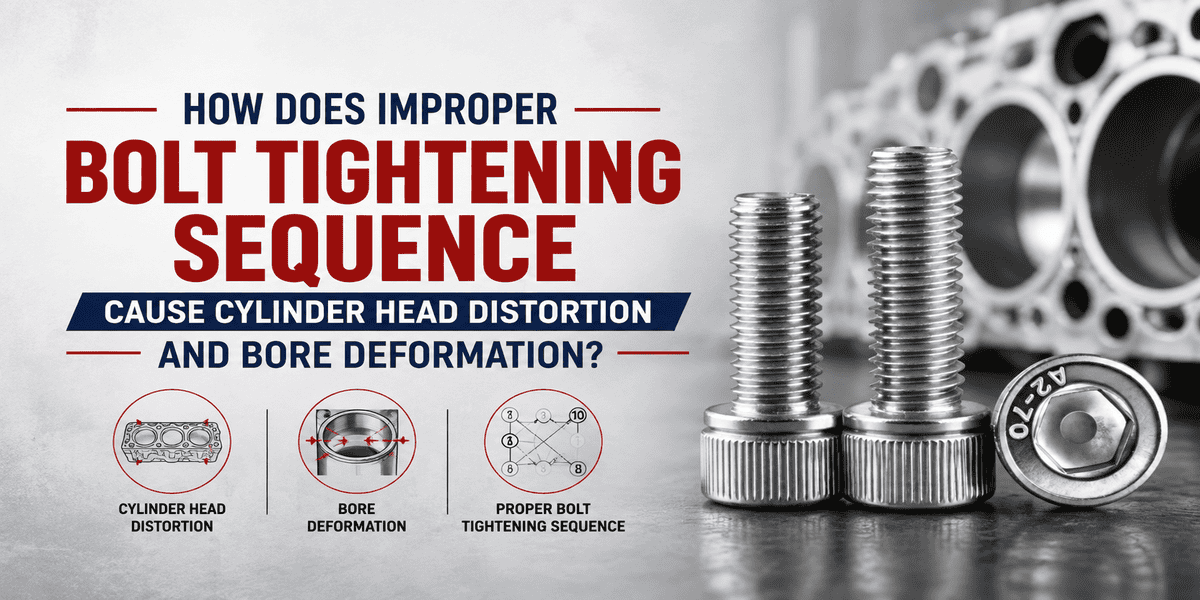
How Does Improper Bolt Tightening Sequence Cause Cylinder Head Distortion and Bore Deformation?
Quick Answer: Incorrect bolt torquing order may lead to one part of a cylinder head being loaded before others become clamped equally. Such force may cause distortion of the head itself, change the gasket’s compression ratio, and result in cylinder bore distortion. As such, cylinder head bolts are torqued according to a certain order starting at the center of the head. This is done gradually, allowing both the head and the gasket to settle evenly against the engine block. However, depending on the engine, number and placement of bolts, gaskets used, and type of fasteners, the procedure will differ. One must always consider the manufacturer’s recommendations when performing such a […]
06 8月,2026
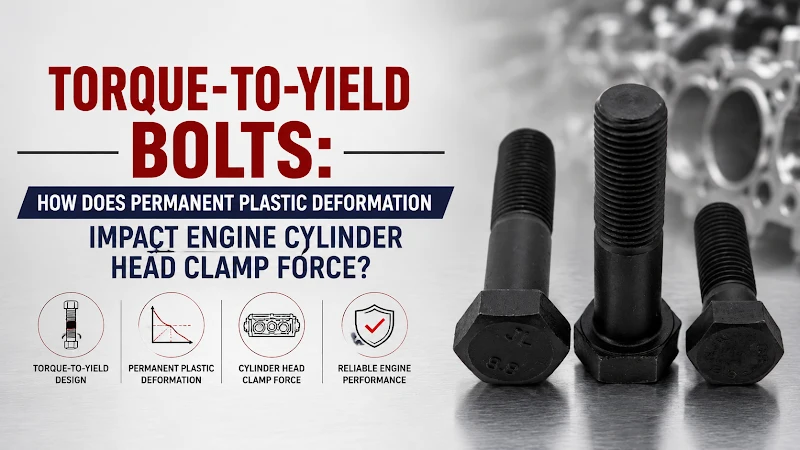
Torque-to-Yield Bolts: How Does Permanent Plastic Deformation Impact Engine Cylinder Head Clamp Force?
Quick Answer: Torque-to-yield bolts deform plastically during installation and are designed to do so. Deformation in the plastic zone ensures uniform distribution of load on an engine cylinder head and gasket. Permanent deformation is another reason why torque-to-yield bolts need to be changed once installed in the assembly and should not be reused, as it may change the nature of clamping. CNRL makes automotive fasteners for engines, chassis, transmissions, and other automotive components. Why did TTY bolts change engine assembly? The cylinder heads should provide gasket compression under varying conditions of engine heating, cooling, vibrations, and combustion pressure. In this respect, the fasteners must provide controlled clamping force through the […]
03 8月,2026
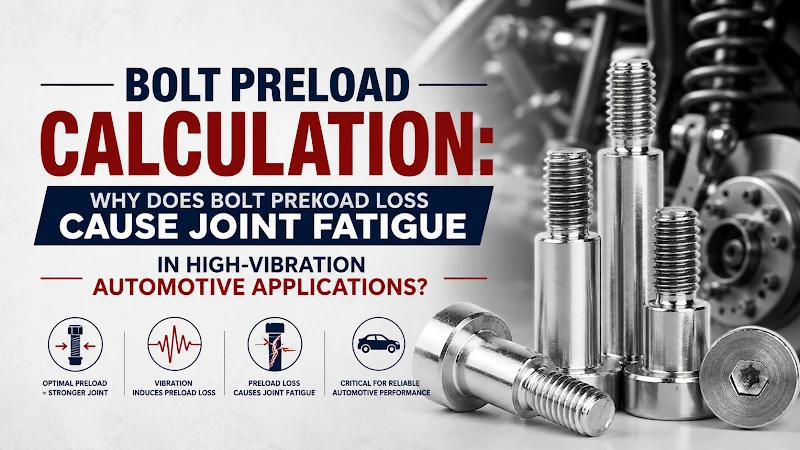
Bolt Preload Calculation: Why Does Bolt Preload Loss Cause Joint Fatigue in High-Vibration Automotive Applications?
Quick Answer: The bolt preload is the tension induced in the fastener during its tightening. It compresses the parts that are joined and prevents their separation due to vibrations and applied loads. As preload reduces, the joint will start to move and open during each loading cycle. Therefore, the cyclic load is going to affect the bolt more, which will increase its stress level and lead to fatigue failure. The bolt preload calculation may help to determine the clamp force generated when a certain torque is applied. There are a lot of factors that may influence the process and cause significant variations. CNRL produces automotive fasteners for the engine, chassis, […]
21 7月,2026
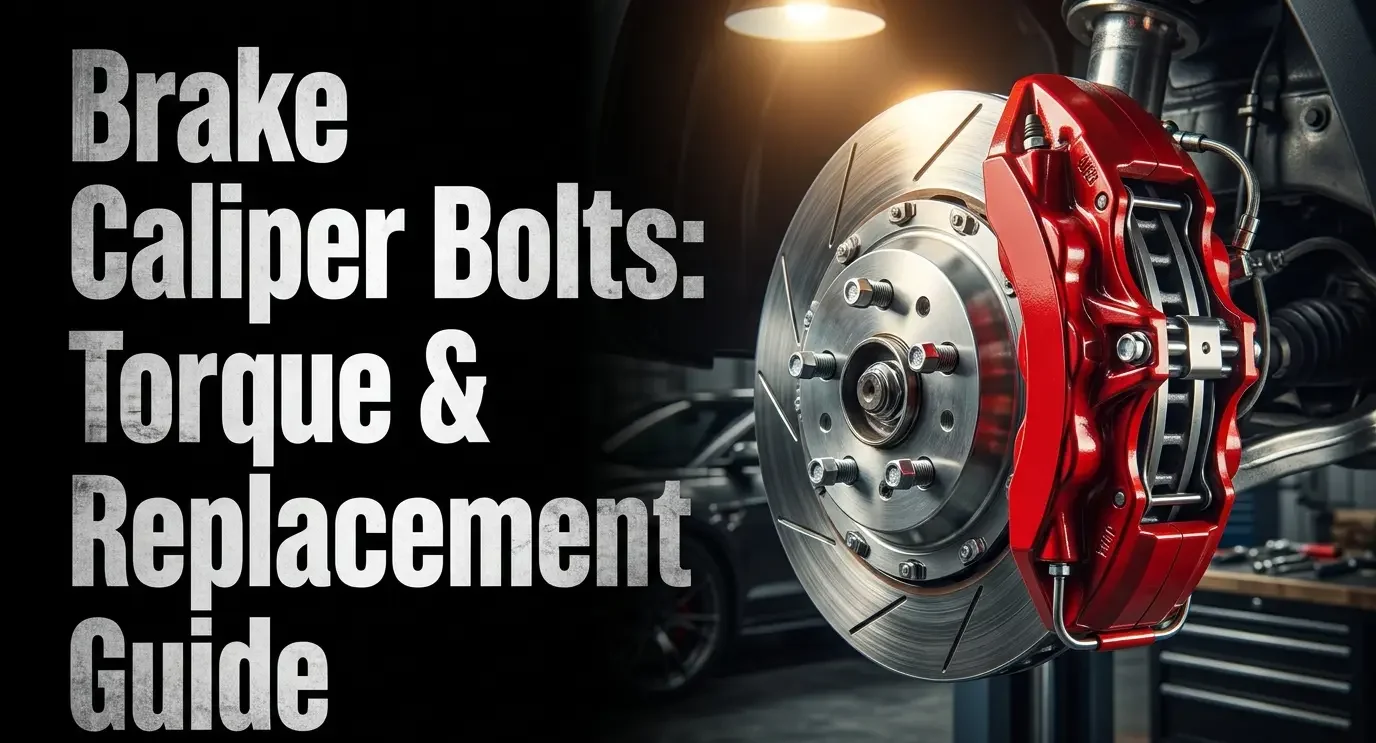
Brake Caliper Bolt Torque Specs And Replacement Guide
Brake caliper bolt torque is the tightening force used on the bolts that hold the brake caliper. The bolts need enough force to keep the caliper steady, but too much force can damage the threads or make the next repair harder. Pads and rotors get most of the attention during brake work. Still, the smaller parts matter too. Bolts, clips, pins and brackets help the brakes sit straight, move smoothly and avoid noise. What Are Brake Caliper Bolts? Brake caliper bolts are the fasteners that keep the caliper assembly in position. They hold the caliper near the rotor, so the brake pads can press evenly when the driver steps on […]
07 7月,2026
How To Remove Rusted Bolts: 8 Proven Methods For Seized Fasteners
Knowing how to remove rusted bolts helps you avoid broken bolts, bad threads and damaged parts. Start small. Clean the bolt, add oil and turn it slowly. If it still will not move, use heat, wax, extractors, drilling or cutting. Rusted bolts are common on exhaust parts, suspension parts and underbody parts. Water, road salt and heat can lock the bolt in place. Why Bolts Rust And Seize Bolts rust when water and air reach steel. Under a car, this happens faster. Road salt, mud and heat stay around the bolt for a long time. Galvanic corrosion can also happen. This means two different metals react in wet areas. A […]
15 2026年4月
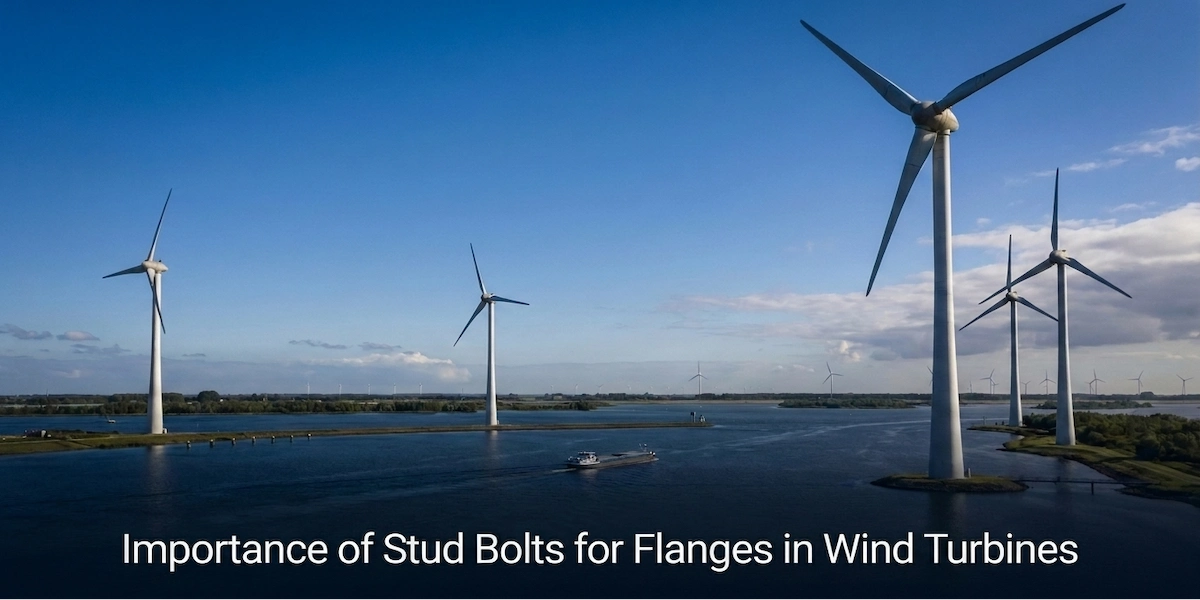
フランジ用スタッドボルト:風力タービンをしっかりと固定するファスナー
風力タービンは、クリーンなプロセスで数百万ワットのエネルギーを生成します。スタッドボルトは、タービンを固定する小さな部品です。タワー、ナセル、ハブのすべてのセグメントは、ボルト締めリングフランジを使用して接続されています。間違った締結部品を選択すると、アセンブリ全体が故障する可能性があります。この記事では、スタッドボルトが風力タービンの締結部品として適切な理由について説明します。また、スタッドボルトサプライヤーからフランジ用のスタッドボルトを入手する方法についても説明します。タワー/ハブ接続が最も重要なボルト接合部である理由とは?タワーとナセルの接続部は、回転荷重と重力荷重全体を支えています。この荷重は、ローター、ブレード、およびドライブトレインによって発生します。これは […]
08 2026年1月
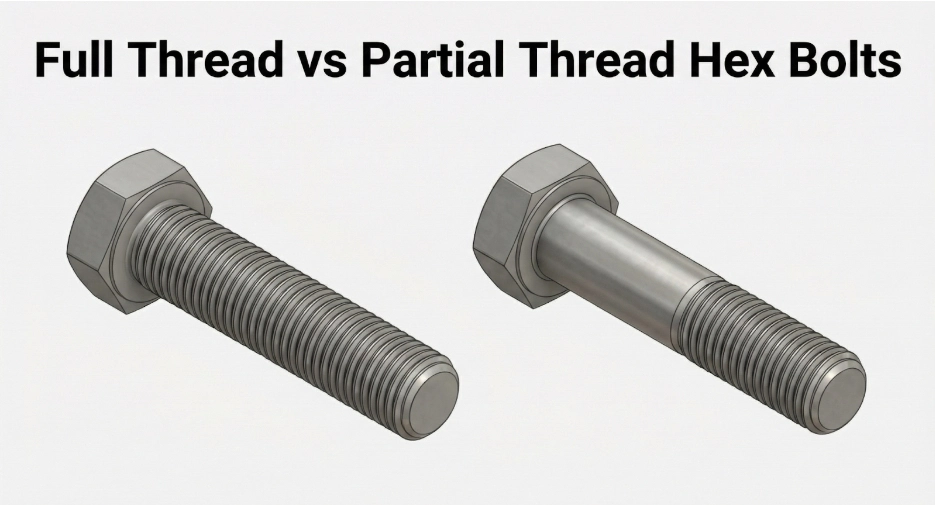
工業用六角ボルトの全ねじと半ねじの違いを理解する
フルスレッド六角ボルトとパーシャルスレッド六角ボルトのどちらを選択するかは、産業プロジェクトの機械的負荷によって異なります。この決定は、重機・設備の構造的完全性と安全性に直接影響します。エンジニアは、せん断力と引張力を評価し、最も効果的な締結具設計を選択する必要があります。適切なねじ山を選択することで、早期の破損を防ぎ、製造アプリケーションにおける安定した組み立てを確保できます。六角ボルトとは何か、そしてなぜねじ山の種類が重要なのか 六角ボルトは、現代の建設において多用途に用いられる締結具です。六角ボルトの頭部は、高いトルクと安定性を実現するように設計されています。エンジニアリングおよび産業製造において、六角ボルトは不可欠な存在です。様々な六角ボルトの頭部タイプが、異なるクリアランス要件を満たしています。[…]
06 2026年1月
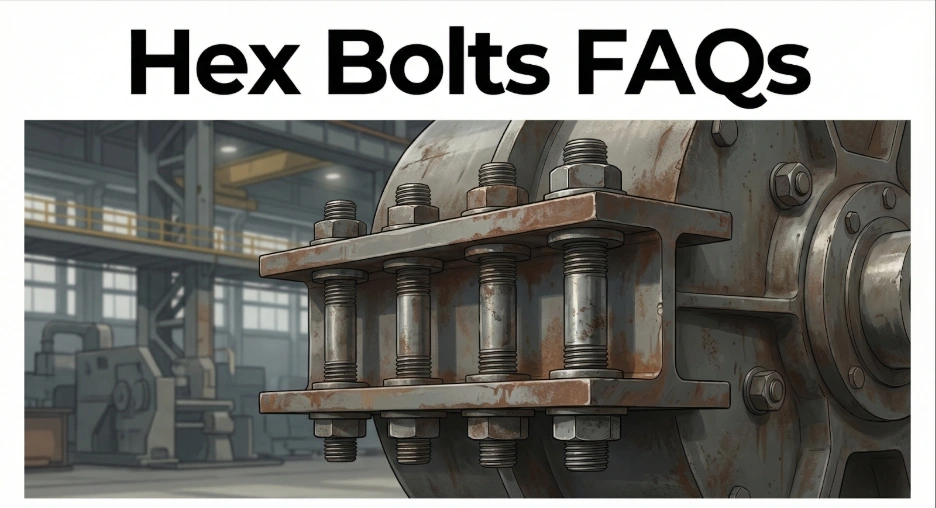
エンジニアリングおよび調達向け六角ボルト選定に関するFAQ
適切な産業用ハードウェアの選択は、エンジニアリングおよび調達プロジェクトの成功に不可欠です。このガイドは、専門チームが寸法、規格、納期を効率的に理解するのに役立ちます。重要な要素には、サイズ、耐腐食性、グローバルコンプライアンスが含まれます。六角ボルトの定義と用途 六角ボルトは、六角形の頭を持つねじ付きファスナーです。様々な接合部で強力な締め付け力を提供するために使用されます。このファスナーは、重機などの産業分野で広く使用されています。鉄骨構造物や車両でも、セキュリティのために六角ボルトが使用されています。多くの一般的なガイドでは、用途と技術的な決定が結び付けられていません。私たちは、用途がお客様の購買ニーズにどのような変化をもたらすかに焦点を当てています。[…]


