21 7月,2026
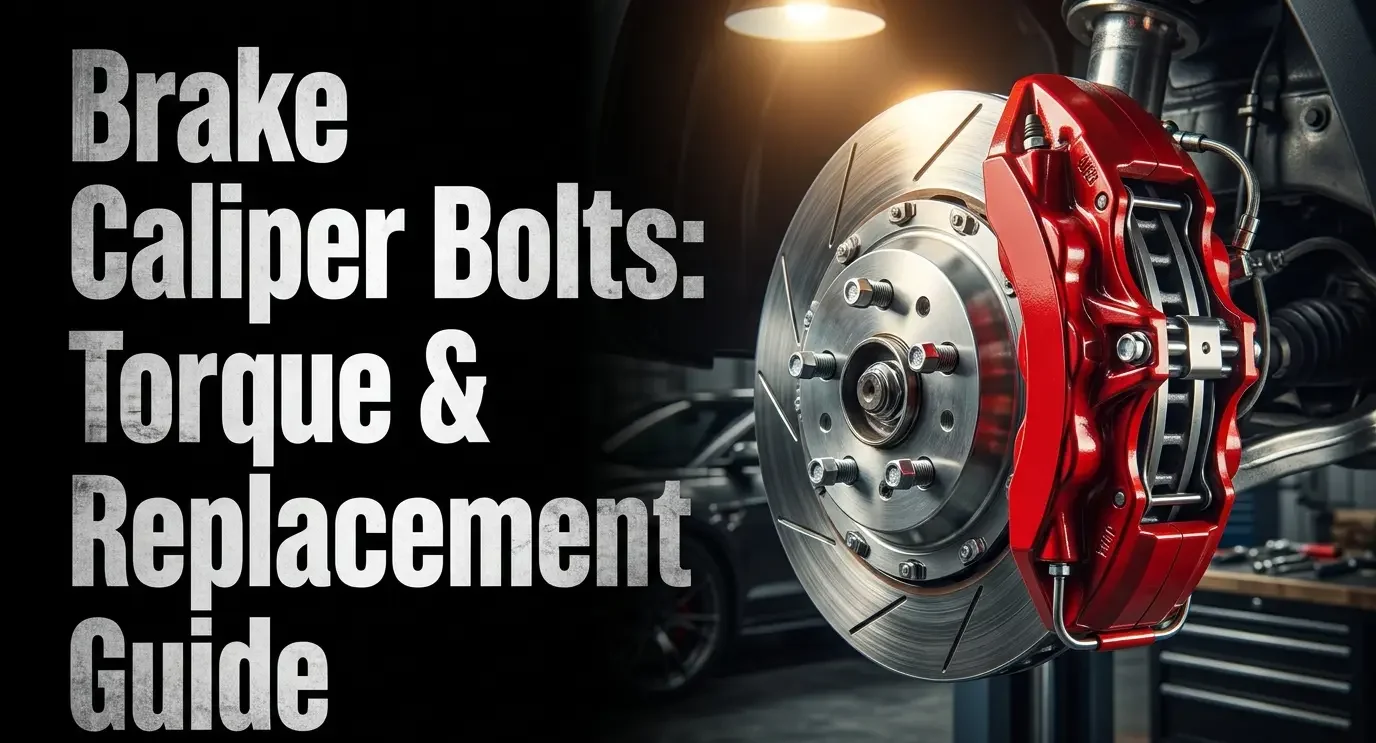
Brake Caliper Bolt Torque Specs And Replacement Guide
Brake caliper bolt torque is the tightening force used on the bolts that hold the brake caliper. The bolts need enough force to keep the caliper steady, but too much force can damage the threads or make the next repair harder. Pads and rotors get most of the attention during brake work. Still, the smaller parts matter too. Bolts, clips, pins and brackets help the brakes sit straight, move smoothly and avoid noise. What Are Brake Caliper Bolts? Brake caliper bolts are the fasteners that keep the caliper assembly in position. They hold the caliper near the rotor, so the brake pads can press evenly when the driver steps on […]
20 7月,2026
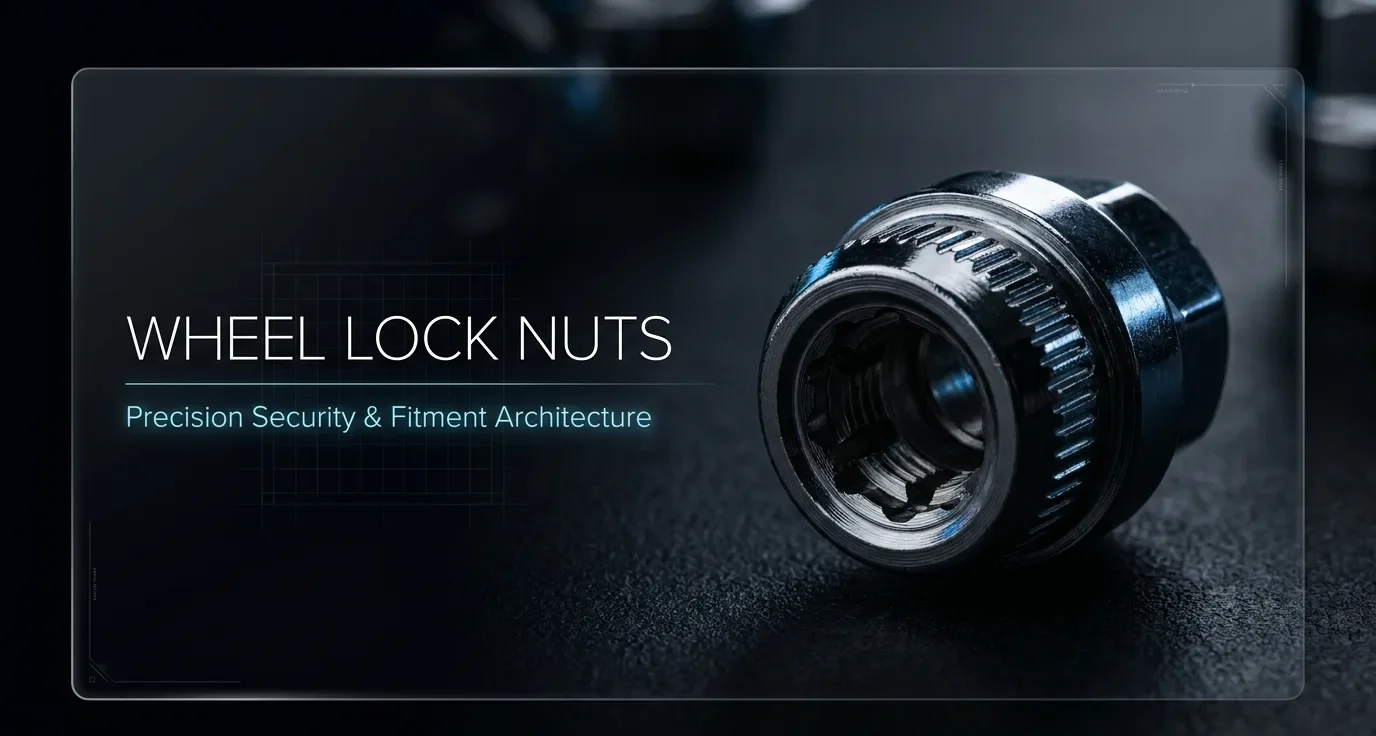
Wheel Lock Nuts: Types, How They Work And Buyer’s Guide
Wheel lock nuts are lug nuts made to help stop wheel theft. They do the same basic job as normal lug nuts, but one part is different. They need a special key to remove them. They are common on aftermarket wheels, alloy wheels and vehicles parked in public areas. The key point is simple: the lock nut must still fit the wheel, stud and seat type correctly. What Are Wheel Lock Nuts? Wheel lock nuts are anti-theft lug nuts with a special pattern. A normal socket cannot remove them. You need the matching key socket. Most sets use one lock nut on each wheel. The other lug nuts stay standard. […]
07 7月,2026
How To Remove Rusted Bolts: 8 Proven Methods For Seized Fasteners
Knowing how to remove rusted bolts helps you avoid broken bolts, bad threads and damaged parts. Start small. Clean the bolt, add oil and turn it slowly. If it still will not move, use heat, wax, extractors, drilling or cutting. Rusted bolts are common on exhaust parts, suspension parts and underbody parts. Water, road salt and heat can lock the bolt in place. Why Bolts Rust And Seize Bolts rust when water and air reach steel. Under a car, this happens faster. Road salt, mud and heat stay around the bolt for a long time. Galvanic corrosion can also happen. This means two different metals react in wet areas. A […]
06 7月,2026
OEM Vs Aftermarket Parts: What Is The Difference And Which Should You Choose?
OEM vs aftermarket parts is a choice between original-source parts and replacement-market parts. OEM parts come from the original equipment route. Aftermarket parts come from other suppliers that make parts for repair, service or replacement. For automotive fasteners, this choice matters. A bolt, nut, washer or bushing must fit the joint. It must also match the right grade, material, coating and thread. The better option is the one that fits the job and lowers risk. What Are OEM Parts? OEM parts are made for the original vehicle or equipment program. OEM means original equipment manufacturer. In simple words, the part is made for the original design. For fasteners, OEM work […]
27 6月,2026
Fasteners For The Automotive Industry: Key Differences Between Manufacturing And Repair Needs
Fasteners for automotive industry projects are not all purchased for the same use. OEM assembly lines need stable, repeatable parts for mass production, while repair shops need practical replacement parts that are easy to identify, pack and install. This difference affects material choice, coating, packaging, inspection and delivery planning. A fastener that works well for automated production may not be the best choice for a repair kit. In the same way, a retail repair part may not suit high-volume assembly equipment. Why Do OEM Assembly Lines Need Different Fasteners? OEM assembly lines need fasteners that support speed, consistency and process control. The same part may be installed thousands of times […]
26 6月,2026
The Complete Guide To Bulk Purchasing Automotive Fasteners: From RFQ To Delivery
Wholesale automotive fasteners should be purchased through a clear process, not only by comparing unit prices. Major overseas buyers need to verify product details, confirm drawings, approve samples, control production and check shipment documents before delivery. This process helps reduce wrong parts, shipment delays and quality disputes. It is especially important when the order includes mixed SKUs, custom drawings, repair kits or automotive components for global supply chains. What Should Buyers Prepare Before Sending An RFQ? Buyers should prepare complete product information before sending an RFQ. A supplier cannot quote accurately if the request only says “bolt,” “nut” or “washer.” A useful RFQ should include the part name, drawing, material, […]
25 6月,2026
Decoding Automotive Fastener Part Numbers: How To Read Specification Strings
Automotive fastener types are easier to compare when buyers know how to read the full specification string. A part number may include the standard, diameter, thread pitch, length, strength grade, material, coating and sometimes a customer code. For engineers and procurement teams, this is not just a paperwork issue. One wrong letter or number can change the thread fit, torque behavior, corrosion resistance or assembly result. Why Should Buyers Decode The Full Fastener Code? Buyers should decode the full fastener code because the product name alone is not enough. A “hex bolt” or “flange nut” can have many possible sizes, grades, coatings and standards. In the automotive fastener industry, a […]
24 6月,2026
Engine Fasteners: Material Selection And Maintenance Under High Heat And Pressure
Engine fasteners do not get much attention until one loosens, corrodes or fails during service. In engine areas, a fastener has to hold clamp load while heat, pressure, vibration and oil exposure keep changing the joint condition. For engine fasteners automotive buyers, the right choice starts with the working environment. Size matters, but material, grade, coating, preload retention and thermal expansion behavior matter just as much. Why Engine Fasteners Need More Care Than General Hardware Engine fasteners work in a harder environment than most general fasteners. They may sit near hot housings, brackets, exhaust-adjacent parts, oil lines or moving components. Even when the part looks simple, the joint may be […]

24 6月,2026
How Chemicals Affect Automotive Fasteners: A Complete Guide to Corrosion Prevention
Chemical exposure destroys structural hardware quickly. Engineers apply specific surface coatings to stop rust entirely. Proper testing ensures safe operation. Choosing correct finishes prevents part failure. How Do Extreme Environments and Automotive Chemicals Degrade Fasteners? Extreme environments and chemicals degrade automotive fasteners by attacking metallic substrates. Exposure to acidic liquids speeds up joint failure rapidly. Hardware components endure severe chemical exposure during standard vehicular operation. These chemical reactions cause metallic parts to weaken over time. Daily heat cycles expand and contract metal parts continually. This microscopic movement easily cracks brittle protective surface topcoats. Constant chemical attacks create severe maintenance problems for vehicle owners. Specific Chemical Threats Different zones present unique […]


